
Tel: +86 592 5211 388 / Email: info@esolarfirst.com
Harnessing Solar Power: The Ultimate Guide to PV Off-grid Systems
Release time:
Dec 03,2025
1. Introduction to Solar Power
Harnessing solar power offers an innovative solution to meet our energy needs while promoting sustainability. As the demand for renewable energy sources grows, understanding photovoltaic (PV) technology becomes increasingly crucial. This technology converts sunlight into electricity, allowing us to harness the sun's abundant energy.
Off-grid solar systems represent a significant advancement in energy independence. Unlike traditional grid-tied systems, off-grid solutions store excess energy for use when sunlight is not available. This capability makes them ideal for remote locations, emergency preparedness, and sustainable living.
2. What is an Off-Grid Solar System?
An off-grid solar system operates independently from the utility grid, providing electricity solely from solar energy. Such systems typically include solar panels, batteries for energy storage, an inverter to convert the electricity from DC to AC, and various balance-of-system components.
The primary distinction of an off-grid system is its ability to function without relying on external power sources. This setup is particularly beneficial for rural areas, cabins, or locations where grid access is limited or non-existent.
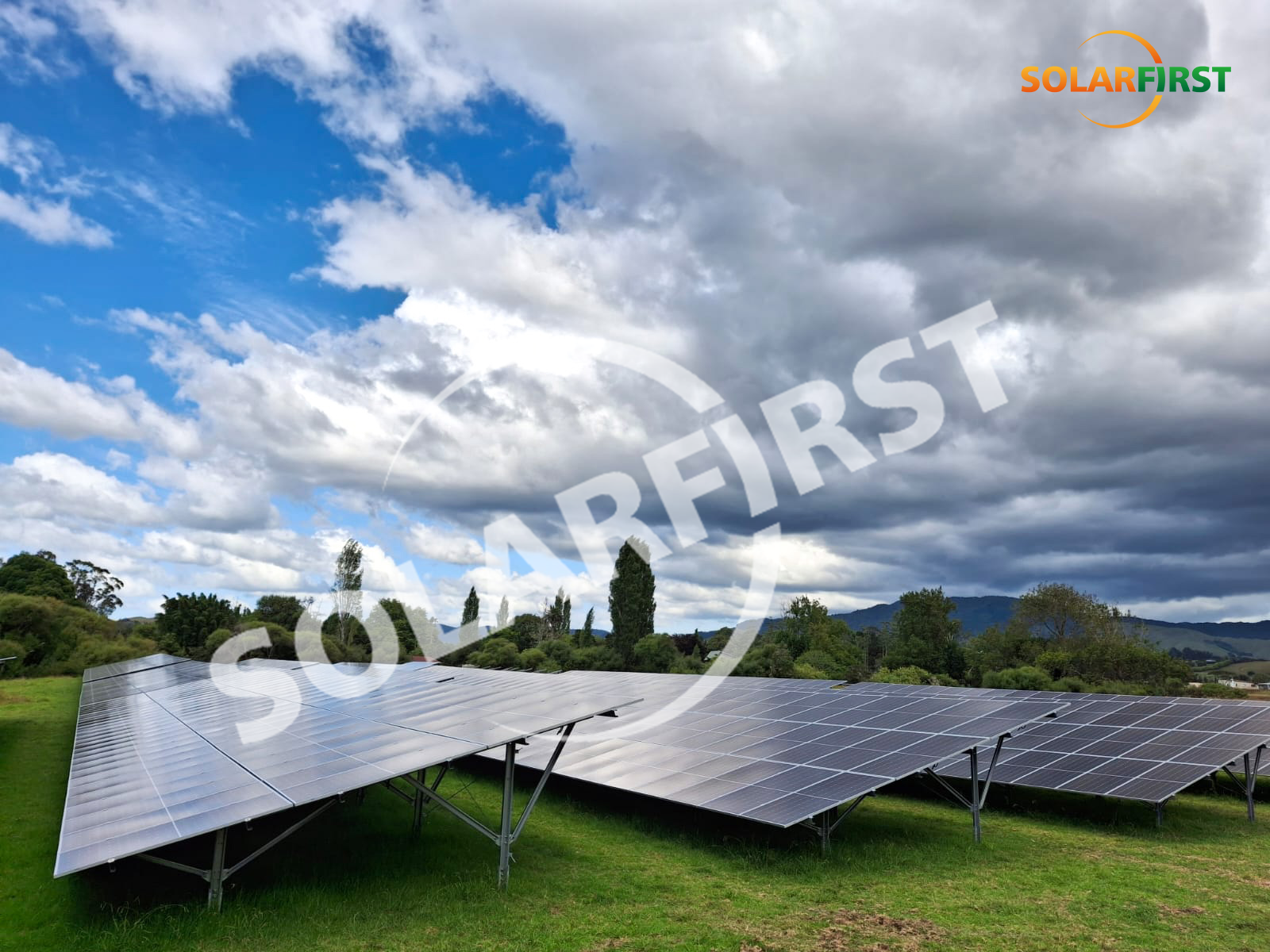
How Off-Grid Systems Work
An off-grid solar system works by capturing sunlight through solar panels, converting it into electricity, and storing the excess energy in batteries. When the sun isn't shining, such as during the night or on cloudy days, the energy stored can be used to power household appliances and devices.
3. Key Components of PV Off-Grid Systems
Understanding the essential components of a PV off-grid system is fundamental to harnessing solar power effectively.
Solar Panels
Solar panels are the heart of any off-grid system, capturing sunlight and converting it into electricity. They are typically made of silicon photovoltaic cells, available in different types, including monocrystalline, polycrystalline, and thin-film.
Batteries
Batteries store the generated electricity for use when sunlight is not available. Lead-acid and lithium-ion batteries are the most common types used in off-grid applications. Battery capacity is critical; it determines how much energy can be stored for later use.
Inverter
An inverter is necessary for converting the direct current (DC) electricity generated by the solar panels into alternating current (AC), which is what most household appliances use. Some systems include hybrid inverters that can manage both solar and grid power.
Charge Controller
A charge controller regulates the voltage and current coming from the solar panels to the batteries. Its primary role is to prevent overcharging and deep discharging, which can damage the batteries and reduce their lifespan.
Mounting Systems
Mounting systems securely hold solar panels in place, optimizing their angle for maximum sun exposure. Proper installation can significantly improve the system's efficiency and overall energy production.
4. Benefits of Off-Grid Solar Systems
Off-grid solar systems provide numerous advantages, making them increasingly popular among homeowners and businesses.
Energy Independence
One of the most significant benefits of off-grid systems is achieving energy independence. Users can produce and store their electricity, reducing reliance on utility companies and protecting against rising energy costs.
Environmental Impact
Solar energy is a clean, renewable resource that reduces carbon emissions. By harnessing solar power, individuals contribute to a more sustainable future and help combat climate change.
Low Operating Costs
Once installed, off-grid solar systems have minimal operating costs. They require little maintenance and provide free electricity for years, often leading to significant savings over time.
Resilience During Outages
Off-grid systems offer reliability during power outages. With a properly sized battery bank, users can maintain power in emergencies, ensuring that essential appliances remain operational.
5. Installing an Off-Grid Solar System
Successfully installing an off-grid solar system requires careful planning and consideration of various factors.
Assessing Energy Needs
Before installation, it's essential to assess your energy needs. Calculate your total power consumption by listing all electrical appliances and their daily usage. This step will inform the size of the solar system and battery bank required.
Choosing the Right Components
Selecting high-quality components is crucial for the system's efficiency and longevity. Consider factors like panel efficiency, battery capacity, and inverter ratings when choosing your equipment.
Site Assessment
Conduct a thorough site assessment to determine the optimal location for solar panel installation. Factors such as shading, roof orientation, and structural integrity must be considered to maximize sunlight exposure.
Professional Installation vs. DIY
While some homeowners opt for DIY installation to save costs, hiring a professional can ensure proper system design and installation. Professionals have the expertise to navigate local codes and regulations, ensuring a compliant and efficient system.
6. Maintenance of Off-Grid Solar Systems
Regular maintenance is vital for the optimal performance of off-grid solar systems.
Periodic Inspections
Conduct periodic inspections of the solar panels, batteries, and inverter to ensure they are functioning correctly. Look for signs of wear, damage, or dirt accumulation on the panels, which can impact efficiency.
Battery Maintenance
For lead-acid batteries, regular checks of fluid levels and terminal connections are essential. Lithium-ion batteries require less maintenance, but it's still important to monitor their performance and charging cycles.
Cleaning Solar Panels
Dust, debris, and snow can accumulate on solar panels, reducing their efficiency. Regular cleaning, particularly after extreme weather events, can help maintain optimal energy production.
7. Cost Analysis and Financial Considerations
Understanding the costs associated with off-grid solar systems is crucial for budgeting and financing.
Initial Investment
The initial investment for an off-grid solar system varies based on size, components, and installation methods. On average, homeowners can expect to pay between $10,000 to $30,000, depending on their specific energy needs and system complexity.
Long-Term Savings
While the upfront costs may seem daunting, the long-term savings on electricity bills can be substantial. Many users recoup their initial investment within 5 to 10 years, after which they enjoy free energy for the system's lifespan.
Financing Options
Various financing options are available for those looking to install an off-grid solar system. Consider looking into government incentives, tax credits, and financing programs that can make solar more affordable.
8. Real-World Applications of Off-Grid Solar
Off-grid solar systems can be applied in various settings and scenarios.
Remote Homes and Cabins
For those living in rural areas, off-grid solar systems provide an effective and reliable energy solution. They eliminate the need for costly grid connections and offer freedom from rising energy costs.
Recreational Vehicles and Boats
Many RV and boat owners utilize off-grid solar systems to power their appliances and devices while on the go. Compact and efficient solar setups enable them to enjoy modern comforts without being tethered to the grid.
Emergency Backup Power
Off-grid solar systems can serve as an emergency power source during natural disasters and power outages. Having a reliable backup ensures essential appliances remain functional, providing peace of mind during challenging situations.
Harnessing solar power through PV off-grid systems presents an empowering opportunity for individuals seeking energy independence and sustainability. By understanding the components, benefits, and practical applications of these systems, anyone can take the first step toward a greener future. The transition to solar energy not only supports personal energy goals but also contributes to a more sustainable planet, proving that power can indeed come from the sun. Embrace this innovative technology and join the movement towards a cleaner, more sustainable energy solution today.

Solar First Energy Technology
Performance & Innovation, Customer Focus, Respect Nature & Love Human, Spirit of Contract
CONTACT INFORMATION
Add: 23rd Floor, Building F14, Software Park Phase III, Jimei District, Xiamen, China
Tel: +86 592 5211 388
Mobile: +86 189 5920 8686
Email: info@esolarfirst.com

OFFICIAL WECHAT
All Rights Reserved © 2024 Solar First Energy Technology Co., Ltd.