Leave A Message
If you are interested in our products and want to know more details,please leave a message here,we will reply you as soon as we can.


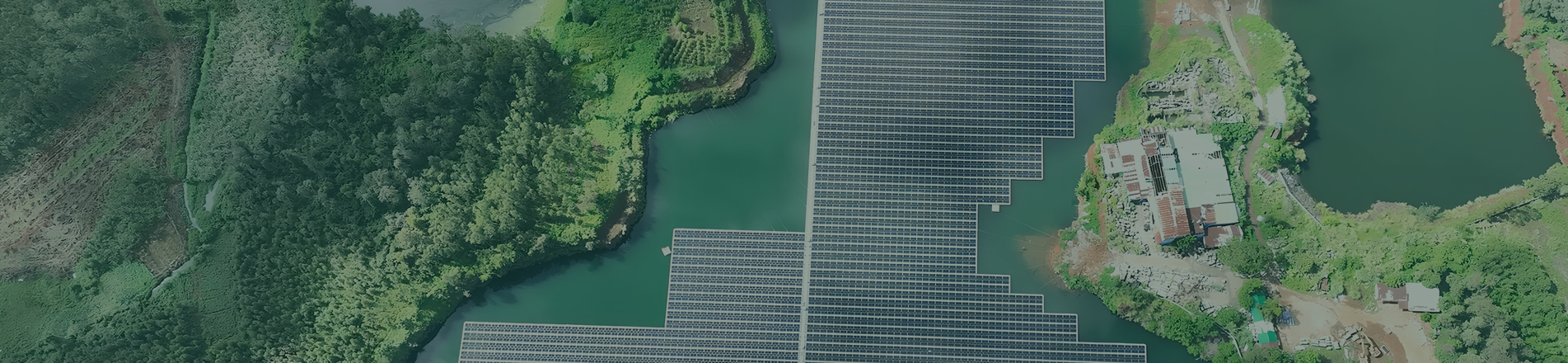
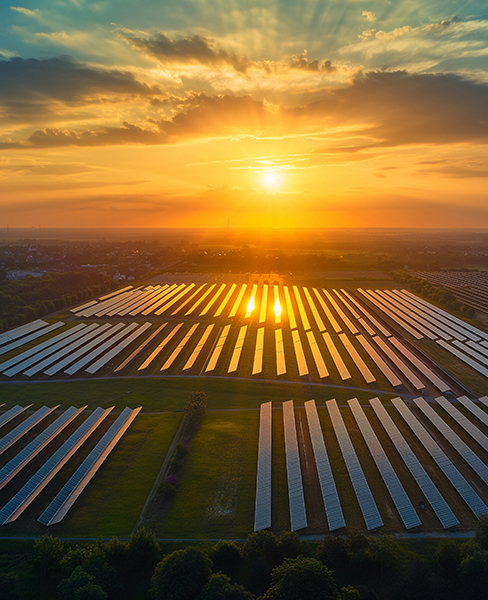
China has made encouraging headway in advancing the green energy transition, establishing a robust groundwork for peaking carbon dioxide emissions before 2030.
Since mid-October 2021, China has started building large-scale wind and photovoltaic power base projects in the sandy, Gobi, and desert regions of Inner Mongolia Autonomous Region (North China), Gansu Province, Ningxia Hui Autonomous Region, and Qinghai Province (Northwest). These projects, while facilitating the green and low-carbon transformation of energy, will also effectively spur the development of related industries and local economic growth.
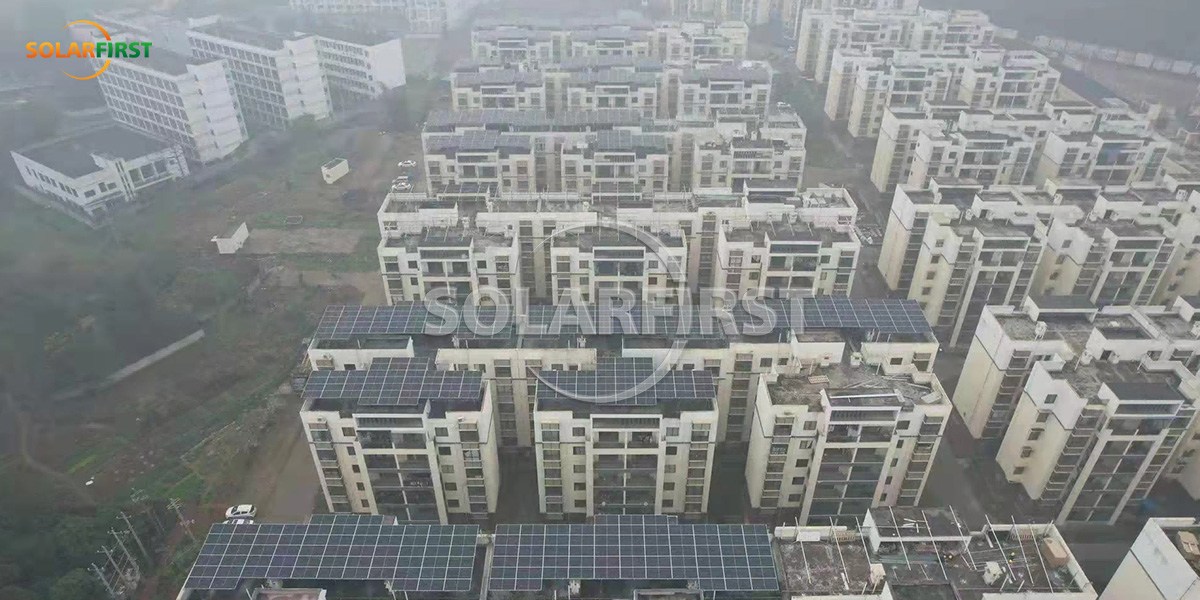
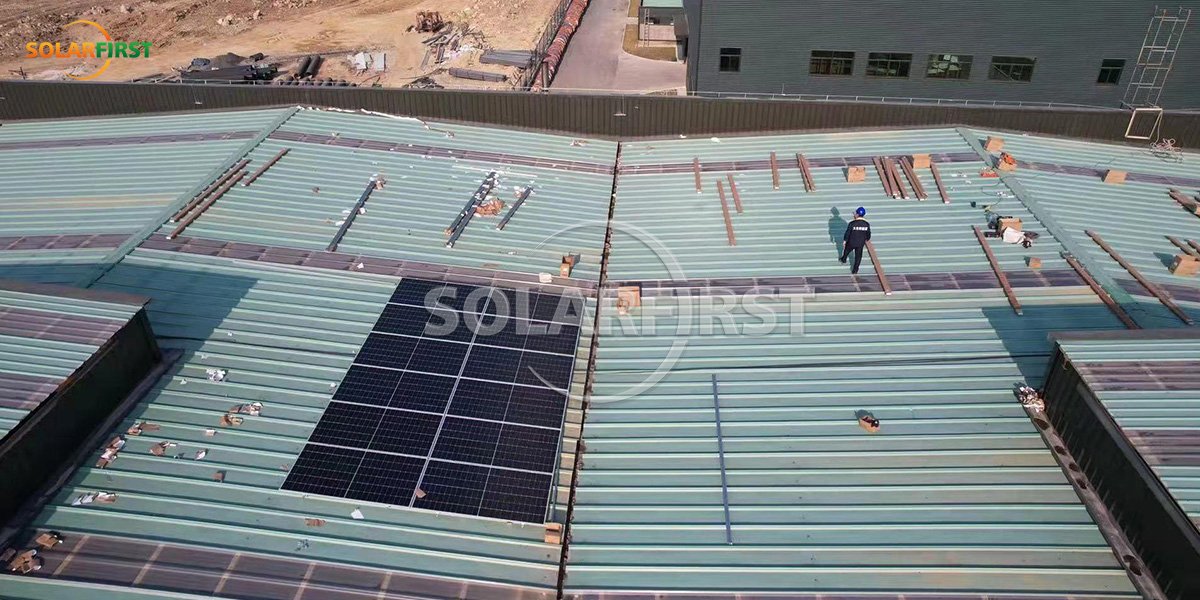
In this process, numerous enterprises have vigorously answered the national strategy and committed themselves to clean energy development. For example, the Solar First Group closely keeps up with the tempo of the country's energy transition and helps realize the "dual carbon" goals with tangible steps. During the same period, the group carried out a 300MWp county-wide promotion rooftop distributed photovoltaic power station project in Guangxi Zhuang Autonomous Region (scheduled for construction in 2021–2022). This project fully utilizes the abundant rooftop resources in the local area, encompassing a range of scenarios such as residential buildings, industrial and commercial factories, and government public buildings, and employs efficient and dependable rooftop photovoltaic mounting systems on a large scale. This not only significantly boosts the local clean power supply, substitutes some fossil fuel use and cuts carbon emissions, but also serves as a tangible implementation of the national "county-wide promotion" distributed photovoltaic development pilot policy, offering valuable lessons for investigating novel models of green energy development at the county level.
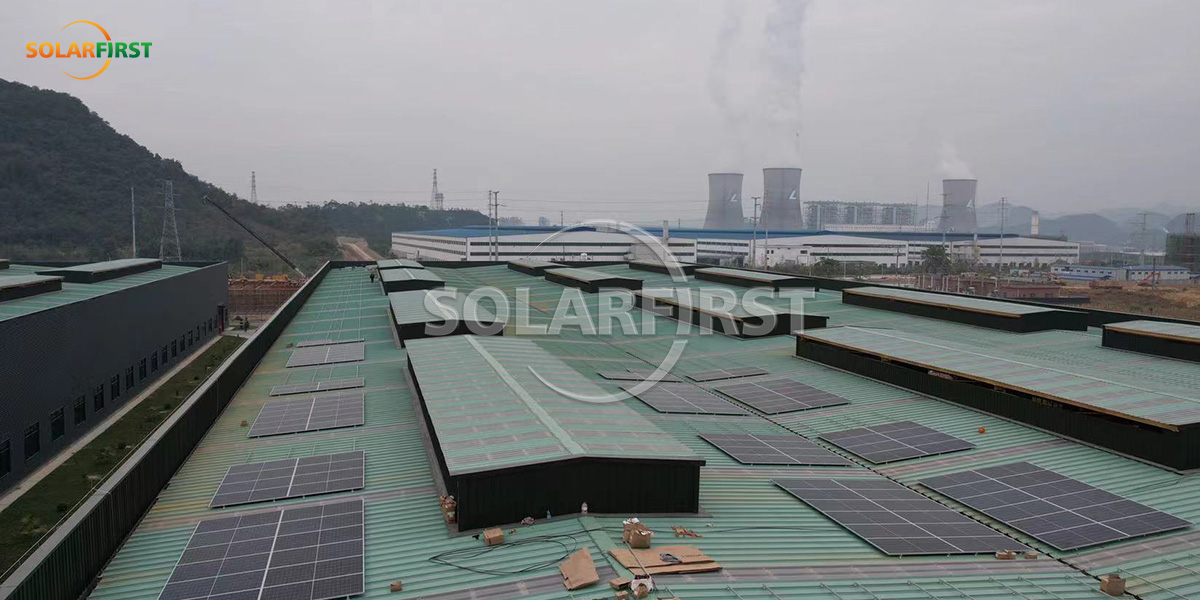
In recent years, the installed power capacity of renewable energy sources such as wind and photovoltaic in China has steadily risen. As of the end of November 2021, the national installed wind power capacity stood at approximately 300 million kilowatts, a year-on-year increase of 29%. The installed solar power generation capacity reached 290 million kilowatts, up 24.1% year-on-year. In contrast, the country's total installed power generation capacity for the same period was 2.32 billion kilowatts, growing 9% year-on-year.
Meanwhile, the utilization level of domestic renewable energy has kept improving. In 2021, the nationwide utilization rates of wind power and photovoltaic power generation reached 96.9% and 97.9% respectively, while the utilization rate of hydropower reached 97.8%.
At the end of October 2021, the Chinese government released the "Action Plan for Carbon Dioxide Peaking Before 2030". In line with the requirements of this plan, China will continue to honor its carbon reduction pledge by 2030. Under the precondition of ensuring energy security, it will actively advance the application of renewable energy and speed up the development of a clean, low-carbon, safe, and efficient energy system. According to the 14th Five-Year Plan (2021–2025) for national economic and social development and the medium- and long-term goals, by 2025, the proportion of non-fossil energy consumption in China is projected to reach around 20%. By 2030, this proportion will increase to about 25%, setting the stage for a substantial rise in the share of non-fossil energy by 2035.

 en
en fr
fr de
de zh-CN
zh-CN ru
ru es
es pt
pt ja
ja ko
ko ar
ar