en
en fr
fr de
de zh-CN
zh-CN ru
ru es
es pt
pt ja
ja ko
ko ar
ar
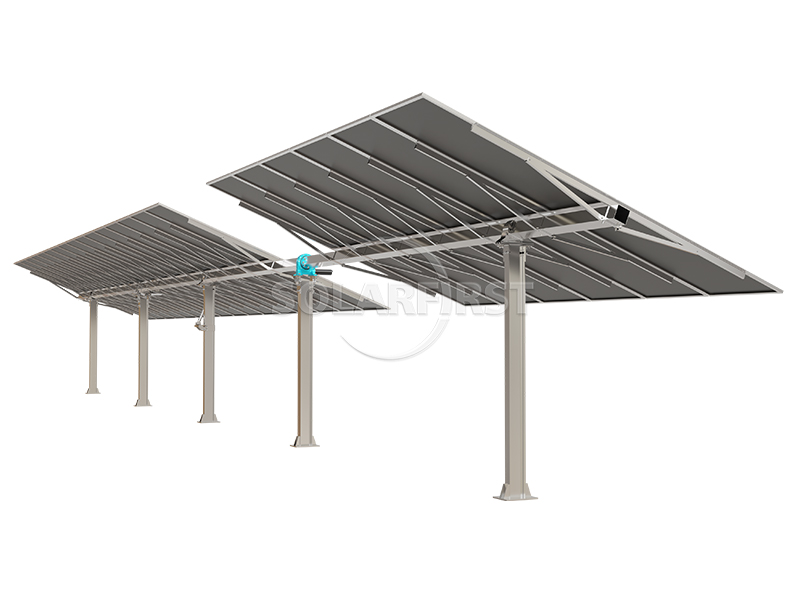
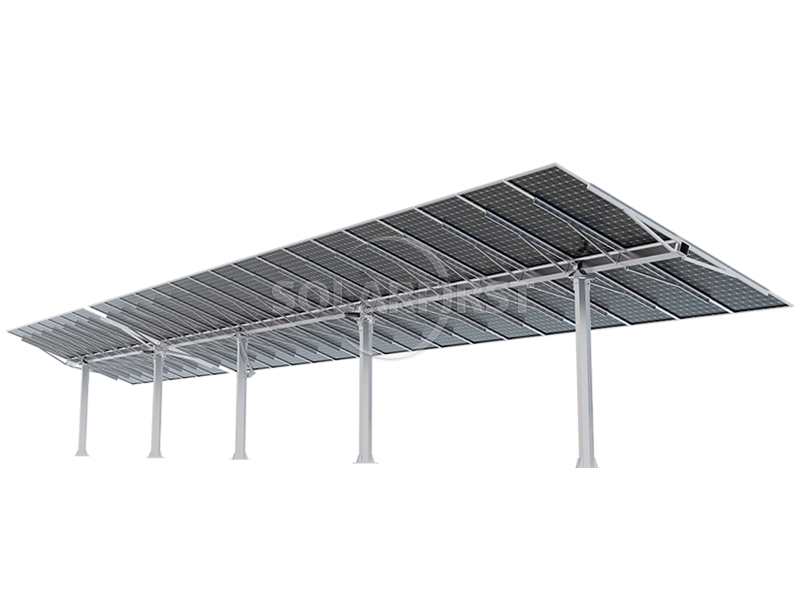
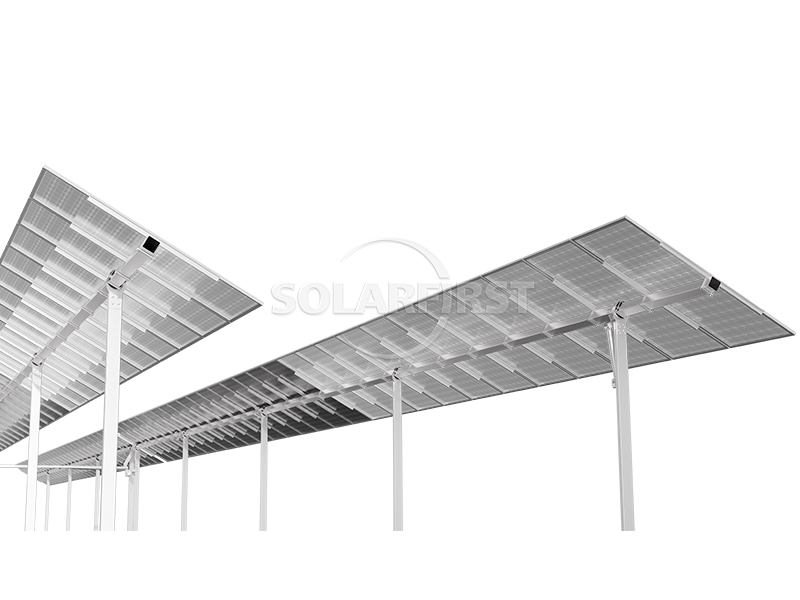
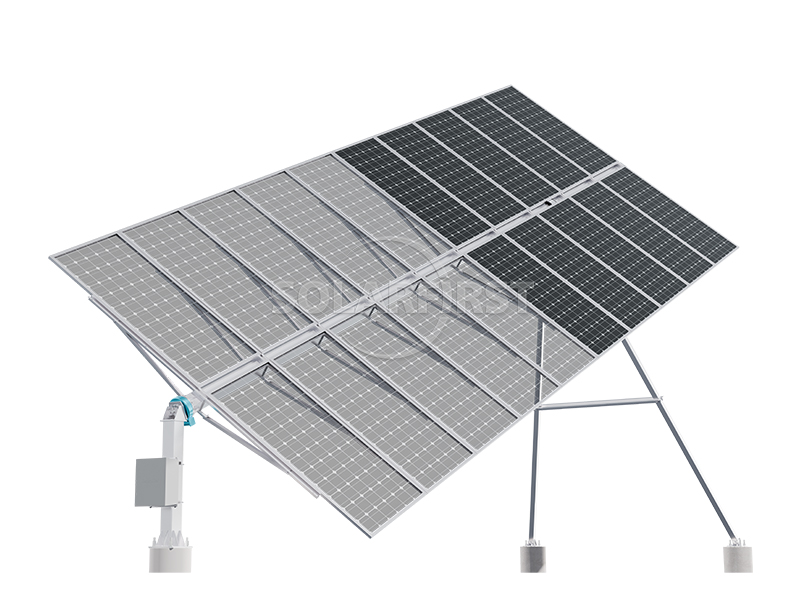
This product is a horizontal single-axis tracking system, primarily used in photovoltaic power plants to support and drive the solar module array to follow the sun. The system employs independent control and a modular design, reducing the amount of foundation piles required under certain terrain conditions and ensuring compatibility with current mainstream large-size modules. Its overall structure has been verified through wind tunnel testing and is suitable for various ground-mounted power plant scenarios.
Read More

Leave A Message
If you are interested in our products and want to know more details,please leave a message here,we will reply you as soon as we can.