Leave A Message
If you are interested in our products and want to know more details,please leave a message here,we will reply you as soon as we can.


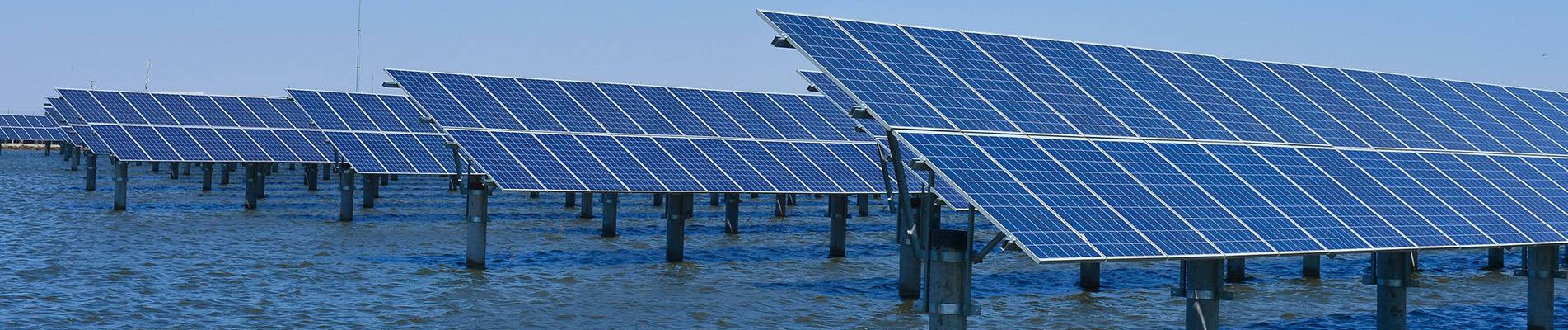

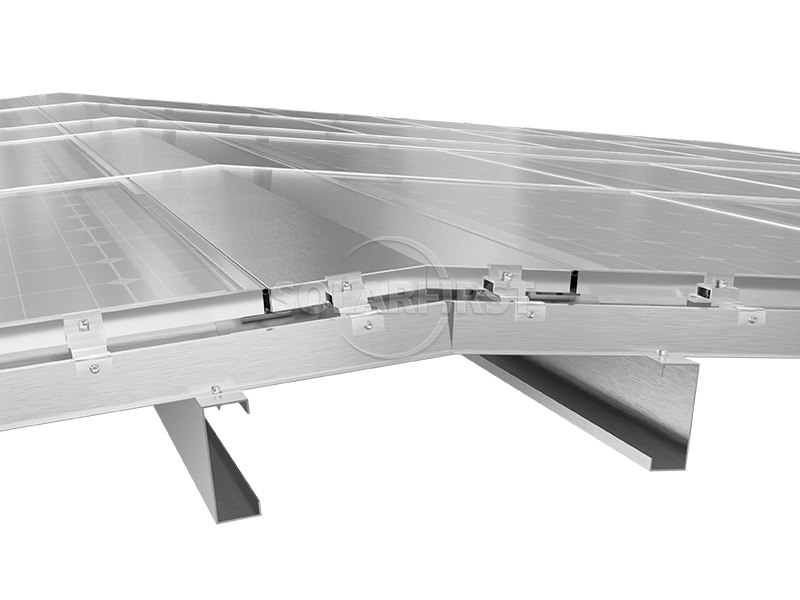
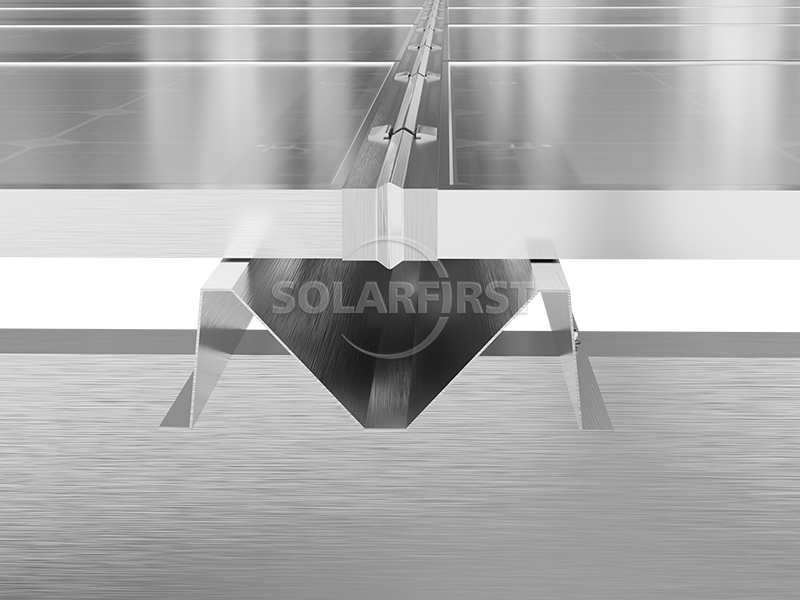
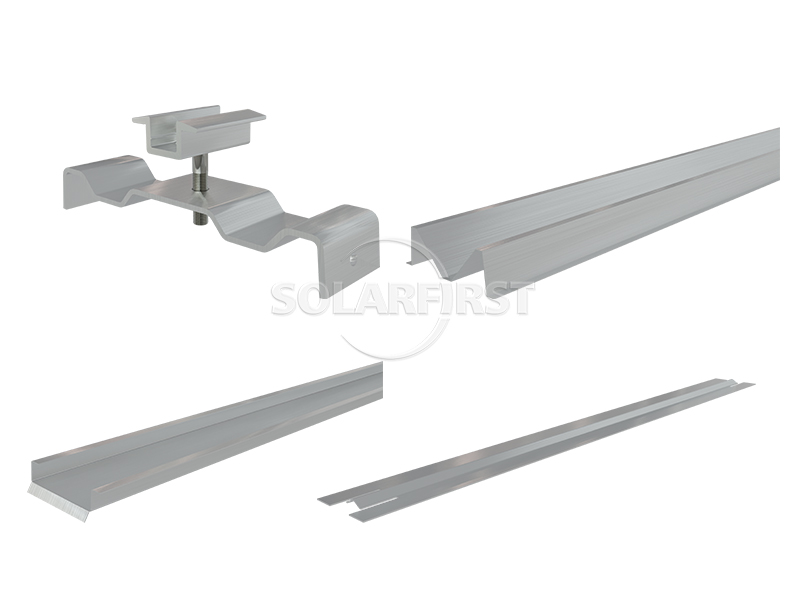
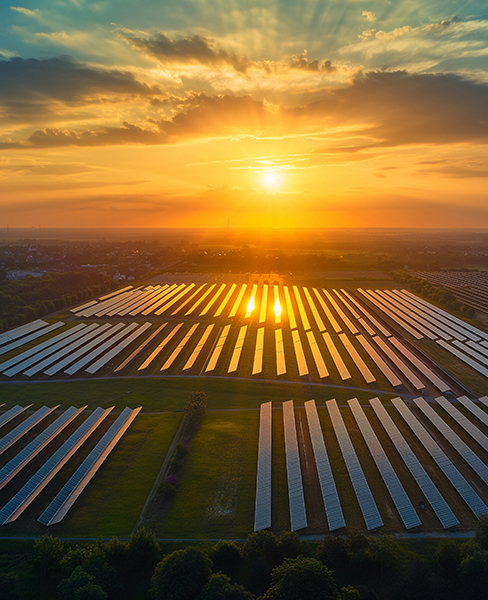
BIPV waterproof roofs are an important product form in the field of Building-Integrated Photovoltaics. Under the "dual carbon" goals, the building sector, as one of the main sources of carbon emissions, is driving energy structure transformation. BIPV waterproof roofs break through the traditional "building + post-installed photovoltaic" model, using solar power generation modules directly as part of the building envelope, replacing traditional metal roof panels or tiles, thus enabling the roof itself to serve both power generation and external envelope functions.

Product Description
BIPV (Building Integrated Photovoltaic) roofing is an integrated roofing system whose core logic is to use photovoltaic modules as both power generation units and building waterproofing layers. Unlike traditional BAPV (Balanced Photovoltaic Photovoltaic) roofs where photovoltaic panels are installed separately on top of corrugated steel roofs, BIPV roofs structurally combine photovoltaic panels, drainage channels, and supporting joists into a single unit, forming a prefabricated roof module that can be directly installed onto the purlins.
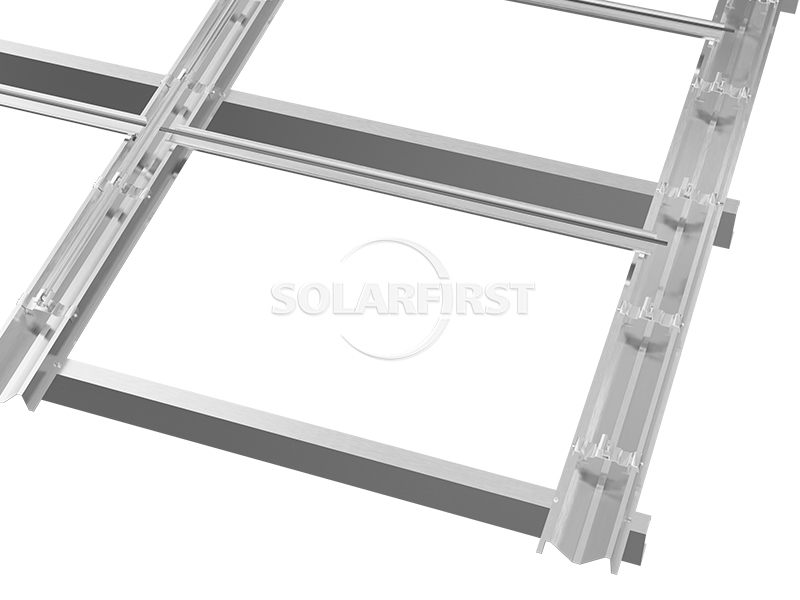
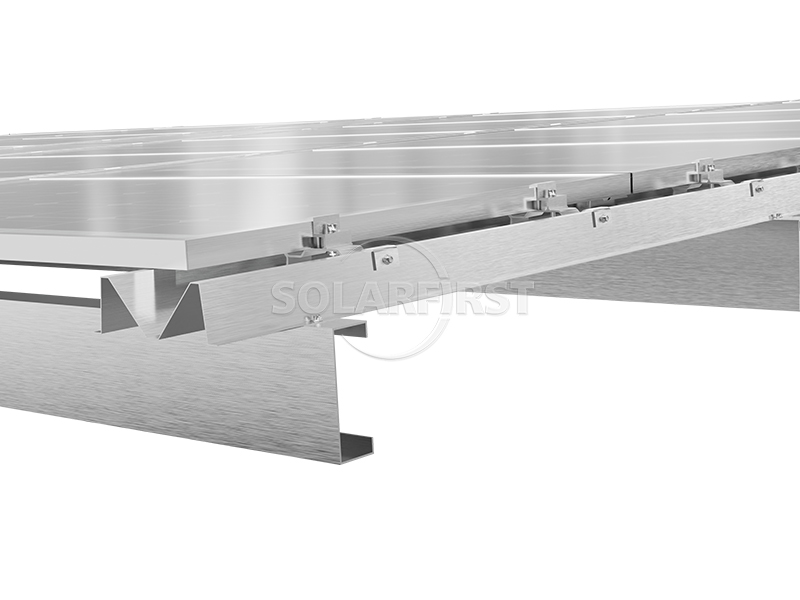
Constructively, the system typically consists of a grid-like drainage frame formed by longitudinal main drainage channels and transverse secondary drainage channels. Photovoltaic panels cover the channels, and rainwater flows through the surface of the photovoltaic panels into the channels before being collected and discharged into the eaves gutters. Some products employ a 360° seam-locking structure or a continuous, seamless pressing process to reduce the potential risk of leakage at joints. The photovoltaic modules often use a double-glass design (2mm tempered glass + 2mm glass backsheet), a double-glass structure that balances light transmission, load-bearing capacity, and fire resistance. Some products add an aluminum alloy frame to the short side to enhance the sealing of the overlap, while drainage is achieved through vertical overlaps on the long side. The entire system is connected to the main building structure through supports or clamps, and can be adapted to various roof forms such as steel structure and concrete.
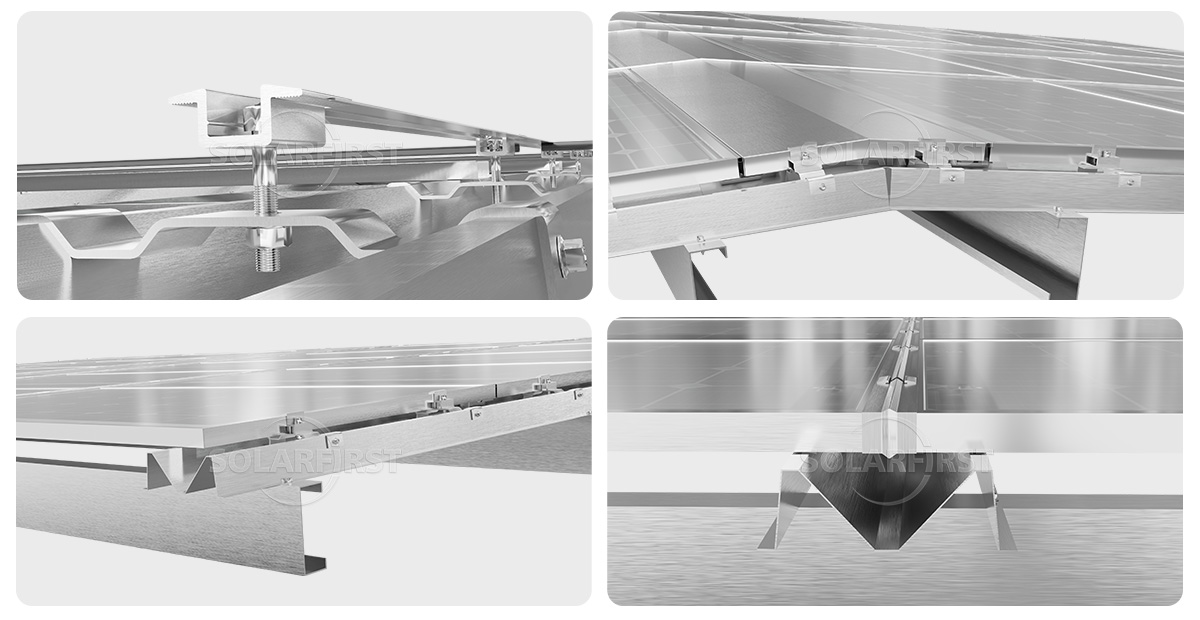
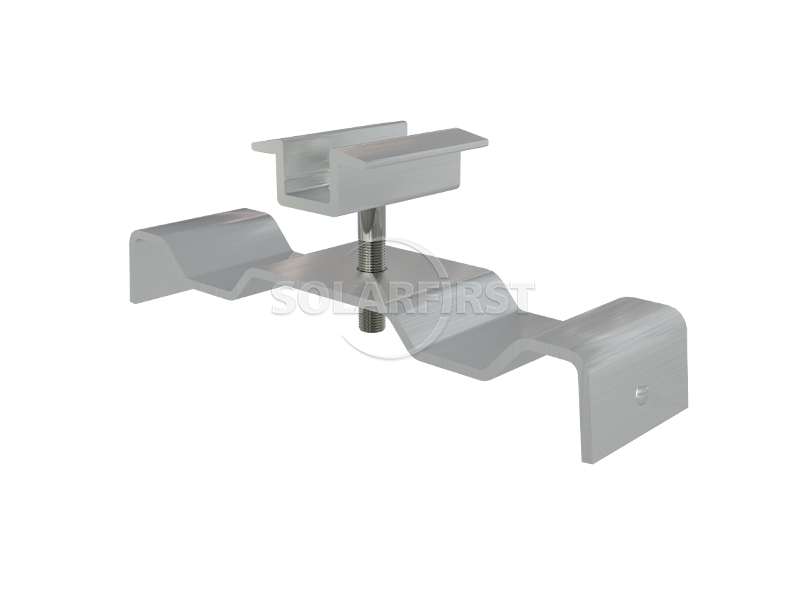
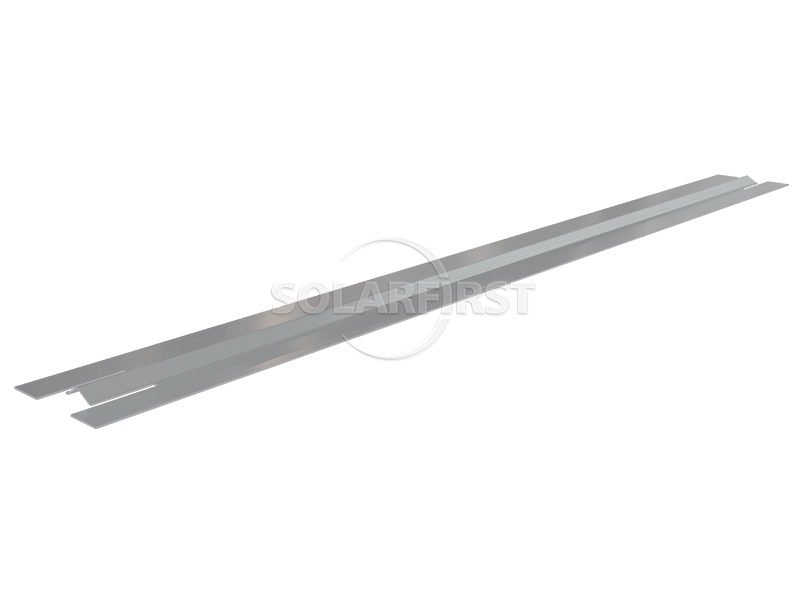
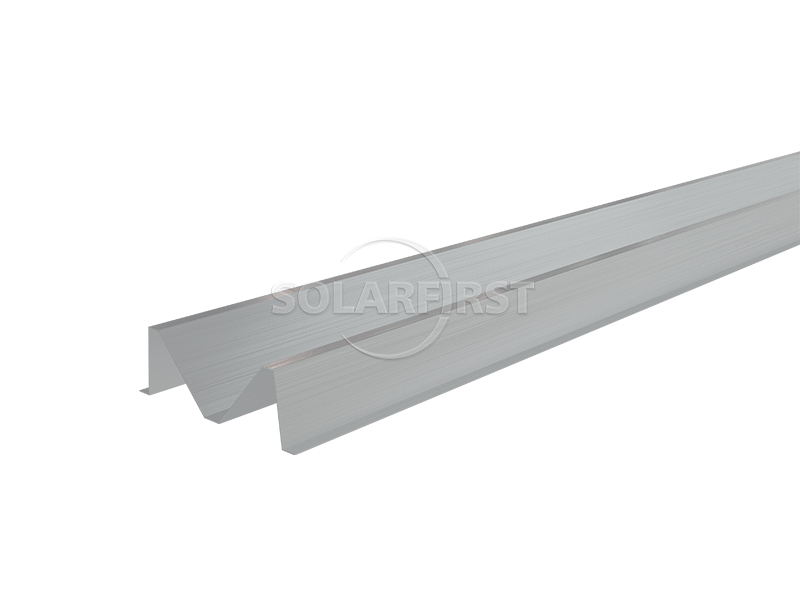
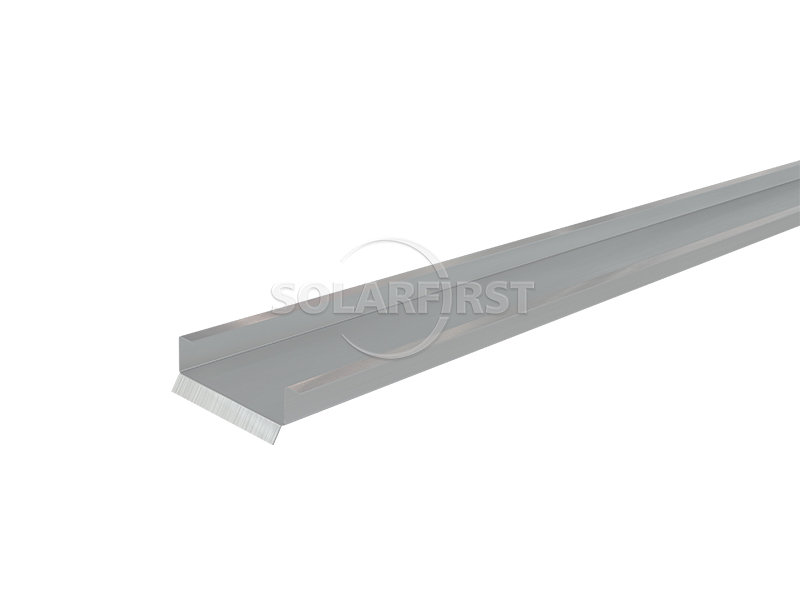
Product Components
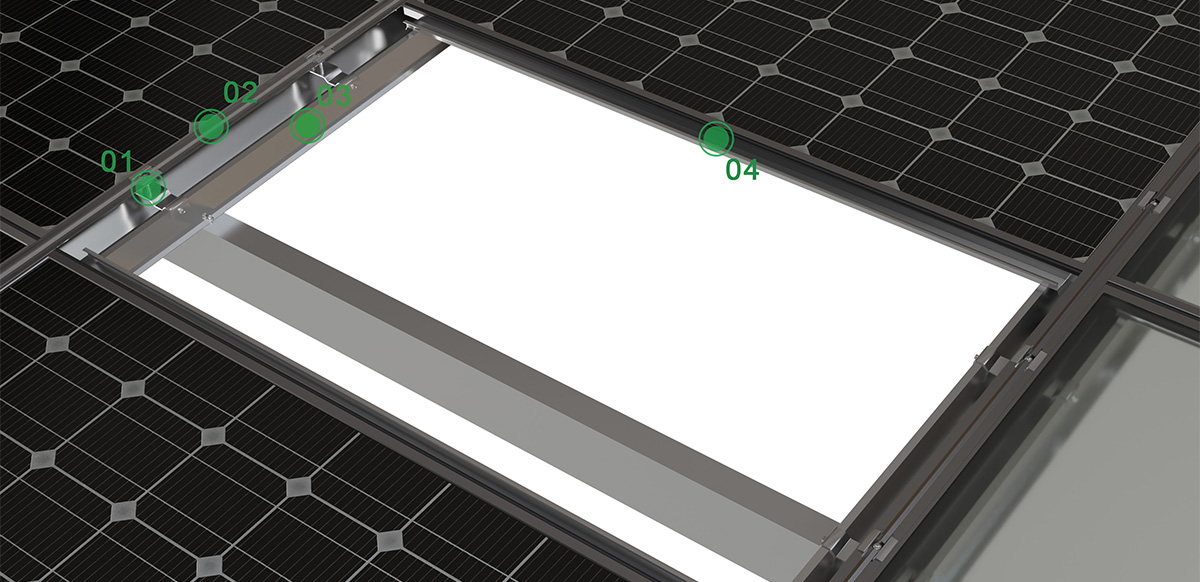
Advantage
▶ Waterproofing Performance:
BIPV waterproof roofs prioritize drainage as their core waterproofing strategy. A stepped drainage system and water channeling system actively guide rainwater flow, preventing water accumulation and seepage. Vertical and horizontal channels form a complete drainage network, reducing the risk of leakage from a structural perspective. Some products utilize a 360° seam-locking structure and a continuous design with no vertical overlap, further reducing the risk of leakage. Some solutions also employ a redundant "external drainage, internal dredging" design concept, reserving drainage channels outside the sealing layer for multiple layers of protection.
▶ Fire Resistance:
The system primarily uses non-combustible or flame-retardant materials. The photovoltaic module surface is tempered glass, and the bottom is made of aluminized zinc steel plate or glass backing, achieving an overall fire rating of A or A2. Some systems are also equipped with automatic shutdown devices that can quickly cut off the circuit in abnormal situations, further enhancing safety.
▶ Wind Resistance and Load-Bearing Capacity:
Using structural adhesive bonding or bracket fixing methods, the photovoltaic modules are integrated with the building structure to form a stable whole, offering superior wind resistance compared to traditional bolt-fixed retrofit photovoltaic solutions. Some products can withstand wind uplift up to level 17 typhoons. The frontal load-bearing capacity exceeds 8.1 kPa, capable of withstanding extreme weather conditions such as hail.
▶ Power Generation Efficiency and Installed Capacity:
Modules typically utilize high-efficiency cell technologies such as N-type TOPCon or HPBC, with conversion efficiencies between 21% and 22%. Due to the modules' inherent walkability, no maintenance access is required on the roof, increasing installed capacity by approximately 10% to 30% for the same area. Some products feature a frameless design to reduce power degradation caused by dust accumulation, further enhancing long-term power generation benefits.
▶ Building Load Optimization:
Compared to the split solution of "traditional metal roof + additional photovoltaics," BIPV systems reduce building load through integrated design. The weight of a single module in some products is approximately 30% of that of traditional roof tiles. According to industry data, the overall system can reduce building load by approximately 35% (this data is based on test results for specific product models; the actual reduction varies depending on the roof structure and product selection).
▶ Installation and Maintenance Convenience:
Prefabricated design and standardized module dimensions result in high on-site construction efficiency. Some systems adopt a modular disassembly design, facilitating the replacement of individual components later. The walkable panel design allows maintenance personnel to conduct inspections and cleaning operations on the roof without the need to build additional maintenance access routes.
Parameters
| Base Type | PHC/Cast-in-place Pile |
| Module Array | Landscape/Portrait |
| Module Fixation | Bolts/Clamps |
| Angle | ≤20°(customizable) |
| Environment Temperature | -20°C-60°C |
| Material | Q235B/Q355B/Q420/etc. |
| Steel Strand | High strength low relaxation prestressed galvanized steel strand |
| Anchorage Device | Squeeze anchor/Clip anchor (with locking device) |
| Coating |
Fastener galvanized >45 μm; Structure galvanized >65 μm; Zinc aluminum magnesium double-sided weight >275g/m; Weight of zinc layer per unit area of steel strand: 190g/m~350g/m. |
Applicable Scenarios
▶ Industrial and commercial plants
Industrial factory roofs have large areas and suitable slopes, which are the main application directions for BIPV waterproof roofs. It is especially suitable for existing factory building renovation projects that face problems such as aging roofs, leaks, and corrosion of colored steel tiles. Roof renovation and photovoltaic construction can be completed simultaneously in one construction. For industries that are sensitive to the production environment, such as textiles, electronics, and precision manufacturing, BIPV systems can improve roof waterproofing and heat insulation properties while generating electricity.
▶ Warehousing and Logistics Center
Warehouse buildings have high requirements for waterproofing and structural stability. The BIPV system can directly replace traditional color steel tiles and has the functions of power generation, waterproofing and load-bearing, reducing the frequency of subsequent maintenance.
▶ Public buildings and transportation facilities
It is suitable for roof renovation or new construction projects of large public buildings such as stations, airports, stadiums, schools, etc. Some solutions can also be applied to traffic ancillary buildings such as highway service areas and toll stations.
▶ Green renovation of existing buildings
For existing buildings that have carbon reduction needs but limited budgets, BIPV waterproof roofs are a solution that combines functional upgrades and energy production. It is especially suitable for old buildings that need to simultaneously solve roof leakage problems. For new buildings, the BIPV system can be used as a roof selection plan in the design stage to achieve simultaneous design and construction of photovoltaics and buildings.
▶ Carports and corridors
Some lightweight BIPV products can be used in parking lot canopies, wind and rain corridors and other scenarios. The components themselves can be used as sunshade and lighting structures, while generating electricity.
Important Notes:
▶ Roof Structure Assessment
Before construction, the load-bearing capacity of the existing roof should be assessed to ensure it meets installation requirements. For older roofs, the integrity of the main structure, such as purlins and corrugated steel sheets, must be confirmed, and reinforcement should be carried out if necessary.
▶ Waterproofing Node Treatment
Sealing and drainage designs must be implemented at the connection points between photovoltaic modules and the building structure, and at the joints between modules. A "prevention and drainage combined" strategy is recommended, prioritizing preventing rainwater infiltration through structural design, and promptly draining any small amount of infiltrated water through drainage structures.
▶ Electrical Safety and Lightning Protection Grounding
The metal frame and support system of the photovoltaic modules must be reliably grounded to prevent lightning strike risks and ensure the safety of maintenance personnel. Cable laying should be properly protected to avoid exposure to rainwater corrosion.
▶ Construction Environment and Operating Procedures
Roof construction is strictly prohibited in rainy or windy weather. When installing on sloping roofs (slope > 10°), it is recommended to use safety measures such as footboards to prevent personnel or tools from slipping. 5. Before applying sealant, the substrate must be cleaned to ensure it is dry, free of oil and dust, to guarantee a good bond.
▶ Transportation and Storage
During transportation, photovoltaic modules should be protected from squeezing and severe vibration. Before installation, check the modules for completeness of appearance and the integrity of the waterproof structure. Double-glass modules should be protected from impacts by sharp objects during storage and use.
▶ Long-Term Maintenance
It is recommended to conduct a comprehensive inspection at least twice a year, focusing on the condition of the sealant, the patency of the drainage system, and the cleanliness of the module surface before and after the rainy season. In dusty or windy areas, cleaning frequency should be increased to ensure power generation efficiency. Sealants should be replaced promptly after reaching the end of their service life.
Summary
BIPV (Building Integrated Photovoltaics) waterproof roofs integrate photovoltaic power generation with building envelope functions, representing a restructuring of the traditional "build first, install PV later" model. The core value of this product lies in: solving roof leakage problems through a drainage-led waterproofing system, achieving green electricity supply through high-efficiency photovoltaic modules, and reducing building load through integrated design. Market validation shows that BIPV waterproof roofs have good applicability in industrial and commercial plants, warehousing and logistics facilities, and public buildings, achieving multiple goals of building energy conservation, carbon reduction, and operational benefits.
From a technological maturity perspective, BIPV waterproof roofs have successfully transitioned from proof-of-concept to large-scale application. Leading companies have accumulated sufficient technical expertise in waterproofing structures, fire resistance, and wind resistance, resulting in an increasingly diverse range of product options. However, it is important to note that as a building-grade product, the performance of BIPV waterproof roofs is highly dependent on installation quality and subsequent maintenance. Early-stage roof assessment, scheme design, and mid-stage construction management are equally crucial. For building owners interested in adopting this product, it is recommended to choose a brand with mature case studies and complete service capabilities, based on a thorough understanding of their own roof conditions and electricity needs, in order to maximize the benefits of the solution.
Solar First Project Reference
Related Knowledge Points
BIPV waterproof roofs are an important product form in the field of Building-Integrated Photovoltaics. Under the "dual carbon" goals, the building sector, as one of the main sources of carbon emissions, is driving energy structure transformation. BIPV waterproof roofs break through the traditional "building + post-installed photovoltaic" model, using solar power generation modules directly as part of the building envelope, replacing traditional metal roof panels or tiles, thus enabling the roof itself to serve both power generation and external envelope functions.
Read More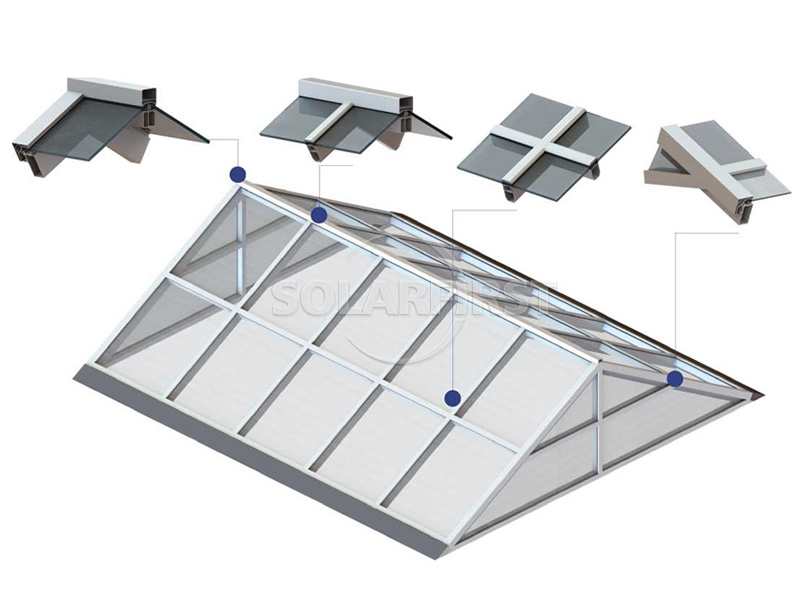
The SF-PVRO0F series photovoltaic skylight roof is an innovative BIPV (Building Integrated Photovoltaics) structural product that integrates building functions and power generation performance, meticulously developed by our company. This product deeply integrates photovoltaic power generation technology with traditional skylight structures, transforming building roofs from simple skylights and rain shelters into green energy carriers with clean electricity production capabilities.
Read More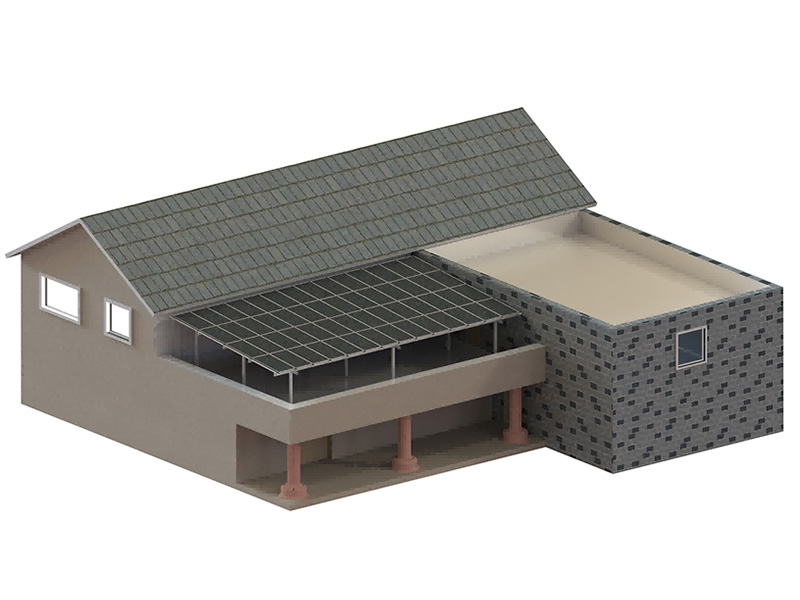
The SF-PVR00F series BIPV photovoltaic aluminum alloy waterproof canopy roof is an integrated product independently developed by our company, deeply integrating photovoltaic power generation and building waterproofing functions. Utilizing reinforced aluminum alloy and anodized surface treatment, it combines power generation, wind protection, snow protection, rain protection, and sun shading, changing the traditional single-structure model of rain shelters. The product is easy to install, features a dense and reasonable profile combination, and has an aesthetically pleasing appearance. It can be widely used in rain protection applications such as residential houses, villas, and corrugated steel roofs, providing clean electricity output while fulfilling sun and rain protection needs, contributing to a green and low-carbon lifestyle.
Read More
The SF-PVROOF series BIPV photovoltaic waterproof roof (carbon steel) is an innovative product that deeply integrates photovoltaic power generation with building protection functions. With "waterproof structure + solar power generation" as its core design concept, it changes the traditional single-mode waterproof roof that only provides shelter from wind and rain without energy output, advocating for green, environmentally friendly, and low-carbon living. The product combines power generation, wind protection, snow protection, rain protection, and sun shading functions. It is easy to install, has a highly functional system structure, and can be customized to meet site requirements. It is widely used in various scenarios such as residential houses, villas, corrugated steel roofs, and independent shed areas.
Read More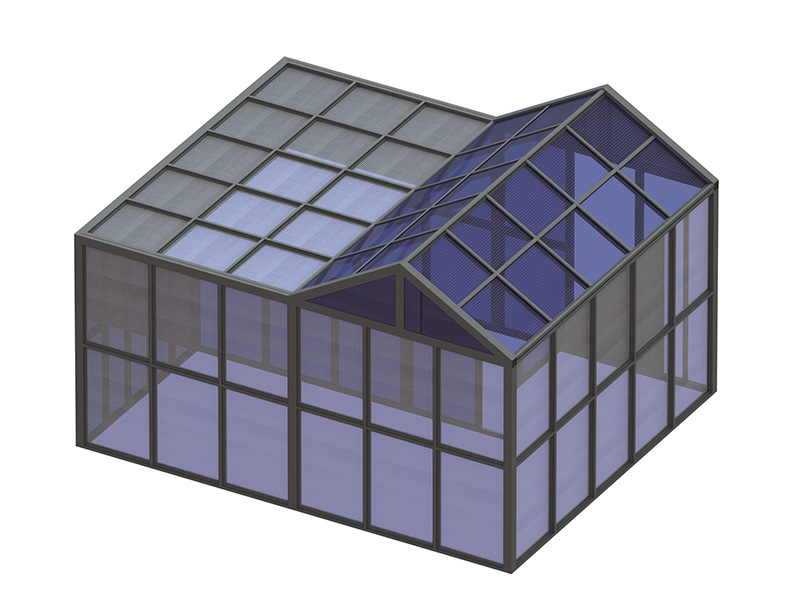
BIPV (Building Integrated Photovoltaic) rooftops are integrated roofing products that deeply integrate photovoltaic (PV) power generation modules with the building structure. The PV modules are directly incorporated into the roof structure, replacing traditional roofing materials while simultaneously fulfilling architectural functions such as power generation, wind protection, snow protection, rain protection, and light transmission. Constructed with tempered glass and a metal frame, this product combines architectural performance with power generation capabilities. It is an innovative building structure with strong market adaptability, applicable to most residential and commercial scenarios. The system boasts strong functionality, a dense and rational combination of profiles, and a simple and aesthetically pleasing appearance.
Read More
 en
en fr
fr de
de zh-CN
zh-CN ru
ru es
es pt
pt ja
ja ko
ko ar
ar