Leave A Message
If you are interested in our products and want to know more details,please leave a message here,we will reply you as soon as we can.


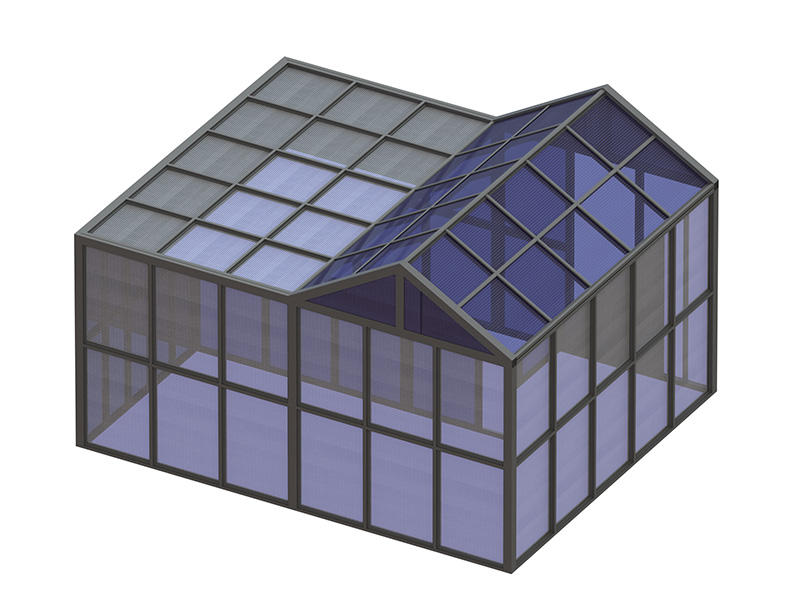
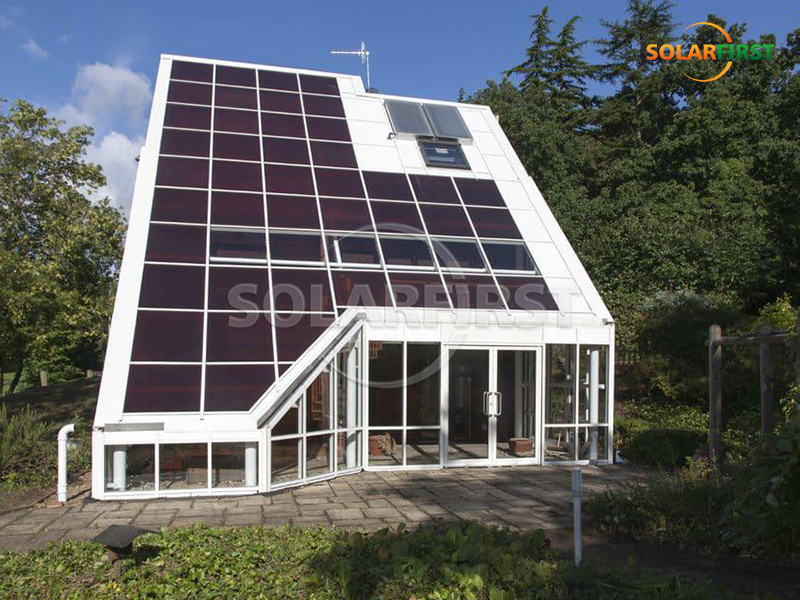
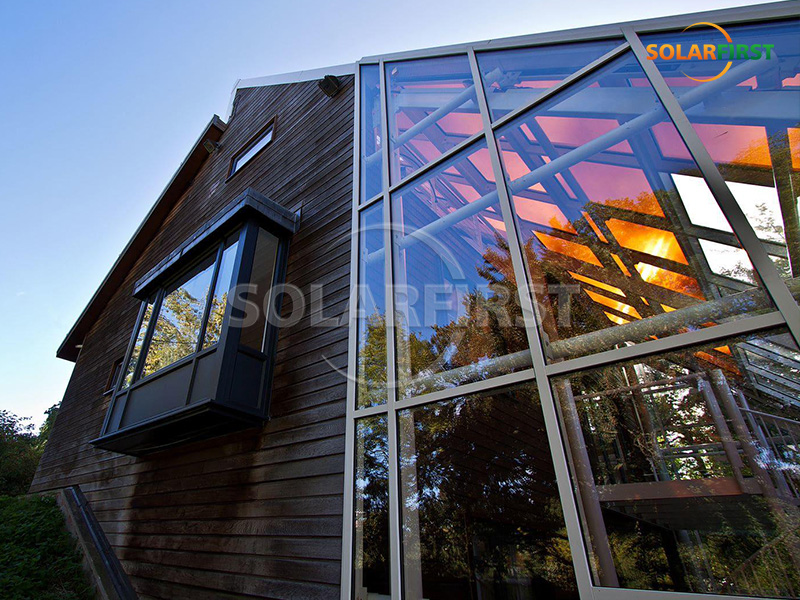
BIPV (Building Integrated Photovoltaic) sunroom is deeply integrate photovoltaic (PV) power generation modules with the building structure. The PV modules are directly incorporated into the room structure, replacing traditional roofing materials while simultaneously fulfilling architectural functions such as power generation, wind protection, snow protection, rain protection, and light transmission.
This product combines architectural performance with power generation capabilities. It is an innovative building structure with strong market adaptability, applicable to most residential and commercial scenarios. The system boasts strong functionality, a dense and rational combination of structure design, and a simple and aesthetically pleasing appearance.

Product Description
This product uses tempered glass, metal profiles, and solar energy as its core combination, changing the traditional sunroom model from merely serving as an architectural space.
Away from the hustle and bustle of city life, it allows residents to pursue a simple and natural lifestyle, enjoying the warmth of the sun while advocating for green and low-carbon living, thus paving a new path for environmental protection and energy-saving development.
The product supports diverse customization, with excellent weather resistance and strong load-bearing capacity, and can be widely used in various settings such as houses, villas, pavilions, and courtyards. It can also be expanded with features such as intelligent shading, natural ventilation, and additional installation options.
Advantage
▶ Stable Structure:
Reinforced metal components forms a rigid framing structure, providing corrosion resistance, oxidation resistance, and high strength.
▶ Superior Weather Resistance and Thermal Insulation:
The photovoltaic modules and insulation profiles form a double insulation design, effectively preventing heat transfer from the outside. Built-in ventilation and heat dissipation channels reduce module operating temperature and minimize power generation losses.
▶ Diverse Customization Options:
A wide variety of profiles and surface colors are available. Materials can be sawed, bent, straightened, squared, or rounded to meet individual design needs.
▶ Architectural Aesthetics:
Modular minimalist design and seamless splicing technology make photovoltaic room a valuable "fifth facade" of buildings.
Applicable Scenarios
▶ Sunrooms for Residential Houses/Villas:
Achieve dual benefits of power generation and recreational space within limited roof area.
▶ Garden Construction in Rest Areas:
Provides shade and rain protection while generating green electricity, suitable for private gardens, community parks, resorts, etc.
▶ Commercial and Public Spaces:
Airports, train stations, hospitals, schools, and other locations with high requirements for building appearance and green energy.
Important Notes:
▶ Construction and Installation
• Reliable mechanical connections and sealing techniques should be used at structural joints. Prefabricated construction is recommended to reduce on-site welding and drilling.
• Electrical components must be handled by certified professionals, strictly adhering to grounding protection and lightning protection design specifications.
• Ensure that aluminum alloy profiles and fasteners are installed strictly to instruction, with wall thickness and cross-sections meeting structural calculations.
▶ Usage and Maintenance
• Clean the photovoltaic module surface every season and conduct a comprehensive inspection of structural connections, fasteners, sealing systems, and drainage systems annually.
Summary
BIPV photovoltaic sunroom is an important application of photovoltaic building integrated technology in the residential and commercial fields. It is at a critical stage from demonstration application to large-scale popularization. In the context of the upgrading of green building standards and the continued tightening of renewable energy policies, the market for this product is vast. Currently, mainstream products have formed mature technical routes in terms of power generation efficiency, structural safety, waterproofing and leakage prevention, and architectural aesthetics. The focus of competition is shifting from "power generation" to "easy to use + good-looking".
This general version product solution is based on tempered glass and metal frame technology, and has good performance in terms of ease of structural installation, system function integration, dense and reasonable profile combination, and appearance design. The product meets individual needs with diversified customization, and ensures structural safety in extreme weather with high load resistance. As BIPV policy dividends continue to be released and market awareness continues to increase, this product has significant application value and promotion prospects in subdivided scenarios such as private house/villa roofing, courtyard construction, and pitched roof roofing.
Solar First Project Reference

BIPV waterproof roof mounting structur is a product form in the field of Building-Integrated Photovoltaics. The building sector, as one of the main sources of carbon emissions, is driving energy structure transformation. BIPV waterproof roofs break through the traditional "building attached photovoltaics" model, using solar modules directly as part of the building material, replacing traditional metal roof panels or tiles, thus enabling the roof itself to serve both power generation and external envelope functions.
Read More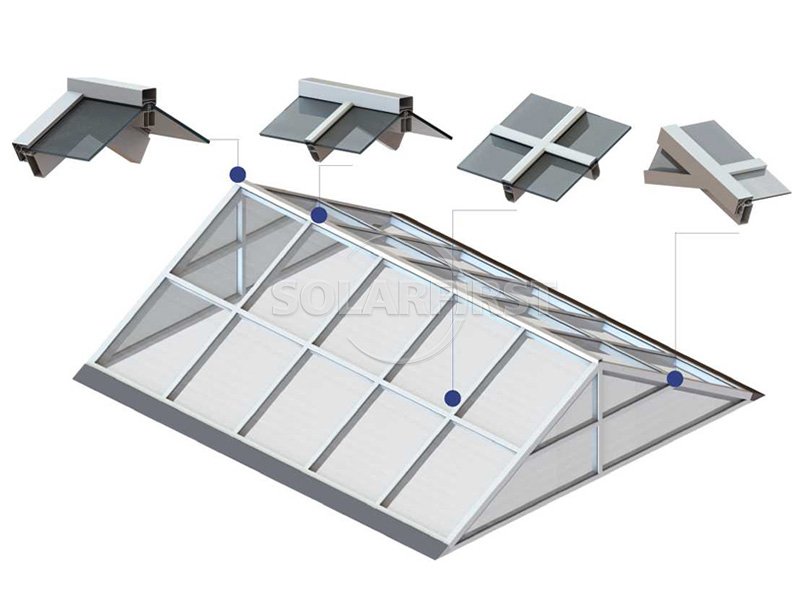
This photovoltaic skylight roof system is an innovative BIPV (Building Integrated Photovoltaics) product that integrates building functions and power generation performance, meticulously developed by our company. This product deeply integrates photovoltaic power generation technology with traditional skylight structures, and the transparent solar panel also functions as the glass, transforming building roofs from simple skylights and rain shelters into green energy carriers with clean electricity production capabilities.
Read More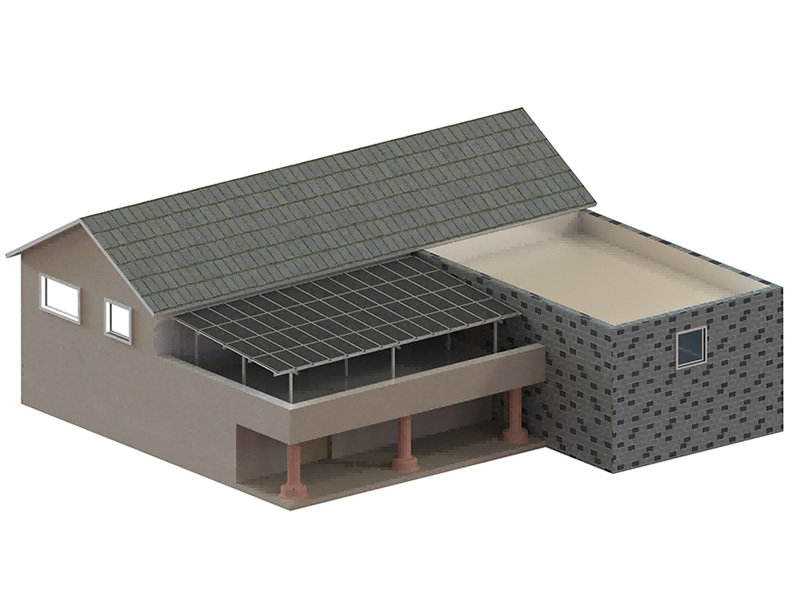
The SF-PVR00F series BIPV photovoltaic aluminum alloy waterproof canopy is an integrated product independently developed by our company, deeply integrating photovoltaic power generation and building waterproofing functions. Utilizing aluminum alloy and anodized surface treatment, it combines power generation, wind protection, snow protection, rain protection, and sun shading, changing the traditional single-structure model of rain shelters. The product is easy to install, features a dense and reasonable profile combination, and has an aesthetically pleasing appearance. It can be widely used in rain protection applications such as residential houses, villas, providing clean electricity output while fulfilling sun and rain protection needs, contributing to a green and low-carbon lifestyle.
Read More
The SF-PVROOF series BIPV photovoltaic waterproof roof (carbon steel) is an innovative product that deeply integrates photovoltaic power generation with building protection functions. With "waterproof structure + solar power generation" as its core design concept, it changes the traditional single-mode waterproof roof that only provides shelter from wind and rain without energy output, advocating for green, environmentally friendly, and low-carbon living. The product combines power generation, wind protection, snow protection, rain protection, and sun shading functions. It is easy to install, has a highly functional system structure, and can be customized to meet site requirements. It is widely used in various scenarios such as residential houses, villas, corrugated steel roofs, and independent shed areas.
Read More
BIPV (Building Integrated Photovoltaic) sunroom is deeply integrate photovoltaic (PV) power generation modules with the building structure. The PV modules are directly incorporated into the room structure, replacing traditional roofing materials while simultaneously fulfilling architectural functions such as power generation, wind protection, snow protection, rain protection, and light transmission. This product combines architectural performance with power generation capabilities. It is an innovative building structure with strong market adaptability, applicable to most residential and commercial scenarios. The system boasts strong functionality, a dense and rational combination of structure design, and a simple and aesthetically pleasing appearance.
Read More
 en
 fr
 de
 zh-CN
 ru
 es
 pt
 ja
 ko
 ar