inquiry_img
Leave A Message
If you are interested in our products and want to know more details,please leave a message here,we will reply you as soon as we can.
f y i 微信
Company News

Energy Breakthrough: Tidal-Photovoltaic Hybrid Systems Reshape Power Generation

As the backbone of national economic development, energy serves both as a key growth driver and a primary focus for carbon reduction under China's "Dual Carbon" goals. Accelerating the transformation of energy structures is essential for improving manufacturing efficiency and cutting emissions.


Policy‑driven clean energy expansion

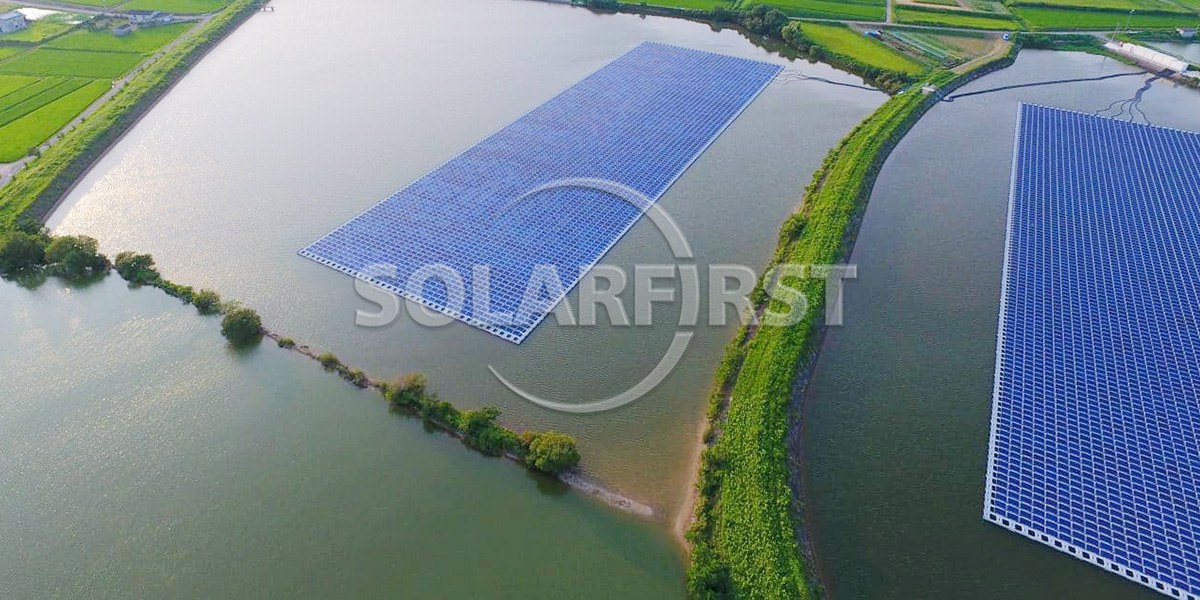
China's current clean energy mix mainly includes solar and wind power. The "2022 Energy Work Guidance" mandates the vigorous development of wind‑PV integration, specifically:


  • Establishing new energy systems centered on large‑scale renewable bases
  • Using efficient coal power for regional support
  • Deploying ultra‑high voltage transmission networks
  • Optimizing offshore wind layouts with deep‑sea demonstrations
  • Advancing hydro‑solar complementary bases
  • Implementing county‑wide rooftop distributed PV projects
  • Launching localized "Thousand Village Wind Action" and "Thousand Household Lighting Action" initiatives
  • Developing distributed wind/PV on oilfields, industrial sites, and industrial parks
  • Enhancing renewable consumption mechanisms with provincial responsibility quotas
  • Improving green certificate systems for renewable power


Beyond wind and solar: tidal energy innovation

The concept of tidal‑photovoltaic power stations integrates two complementary technologies:


  1. Tidal power harnesses water‑level differences between high and low tides to drive turbines.
  2. Photovoltaics convert sunlight directly into electricity via the photovoltaic effect.


Traditional challenges include:

  • High infrastructure costs for tidal stations in deep‑water harbors
  • PV generation limitations due to daylight and weather dependency


Breakthrough integration: the tidal‑PV hybrid solution

On May 30, China’s pioneering tidal‑PV facility – National Energy Group Longyuan Power's Zhejiang Wenling Station – achieved full‑capacity grid connection. This represents the nation’s first successful integration of lunar tidal and solar energy through:
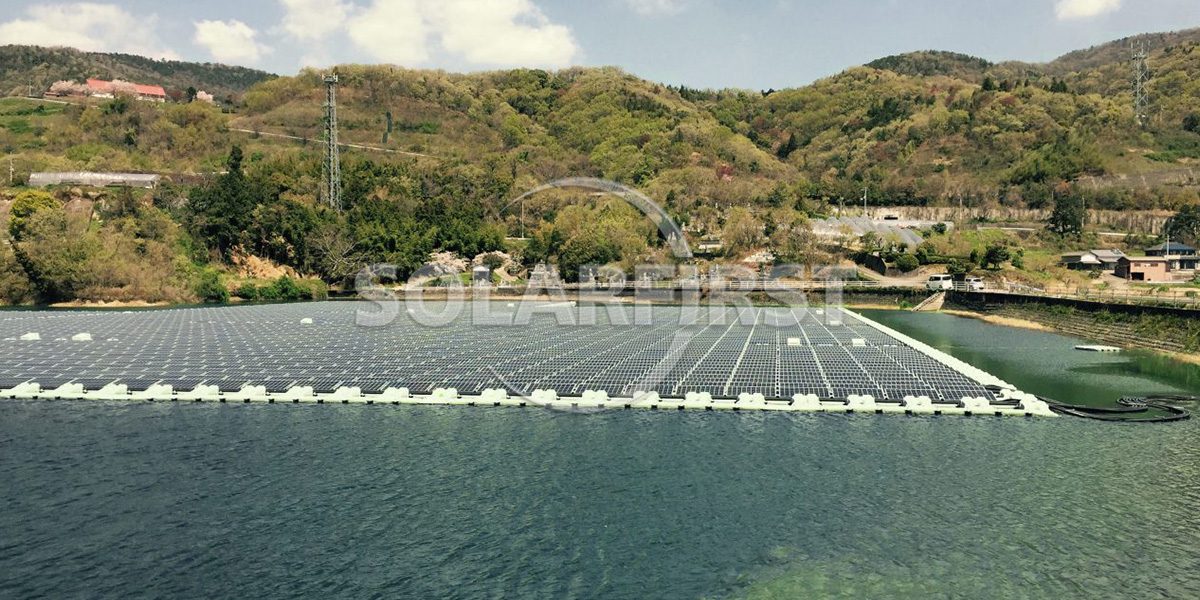
 

  • Installing PV panels across tidal reservoir surfaces
  • Creating coordinated tidal‑PV generation cycles
  • Stabilizing output by modulating tidal generation during PV fluctuations
  • Maximizing marine resource utilization while boosting total yield


Expanding the "PV+" ecosystem

Recent policy directives from the NDRC and National Energy Administration promote diversified applications:


  • Developing standards for PV‑integrated ecological projects (e.g., desert control)
  • Transforming energy storage systems from grid‑adaptive to grid‑supportive
  • Leveraging millisecond‑response capabilities for enhanced grid stability


This technological convergence significantly advances new power system development and industrial energy restructuring.