Leave A Message
If you are interested in our products and want to know more details,please leave a message here,we will reply you as soon as we can.



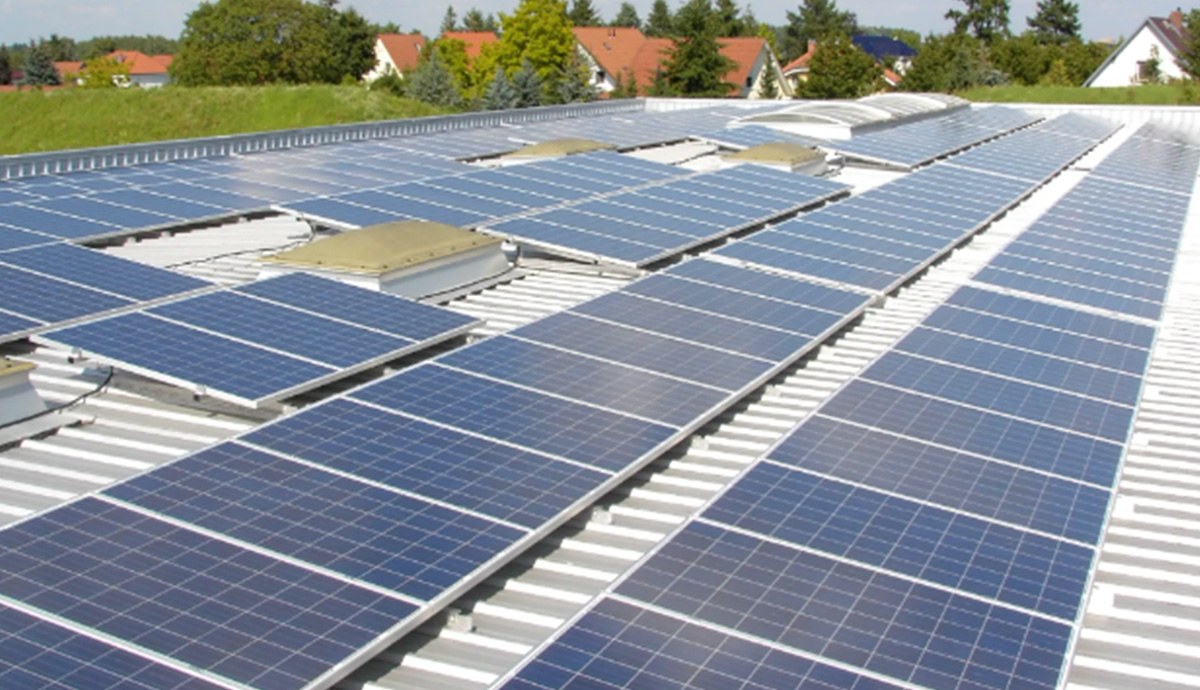
To counter the energy crisis ripple effects and Russia’s invasion of Ukraine, the European Commission has proposed a temporary emergency regulation aimed at speeding up renewable energy development. The one‑year plan seeks to cut administrative red tape in licensing and development, allowing projects to become operational quickly – with a focus on “technologies and project types that have rapid deployment potential and minimal environmental impact.”
Key provisions include:
Kadri Simson, EU Energy Commissioner, stated: “The EU is accelerating renewable energy deployment and expects record new installed capacity of 50 GW this year.” However, to meet high electricity prices, energy independence, and climate goals, the pace must quicken further.
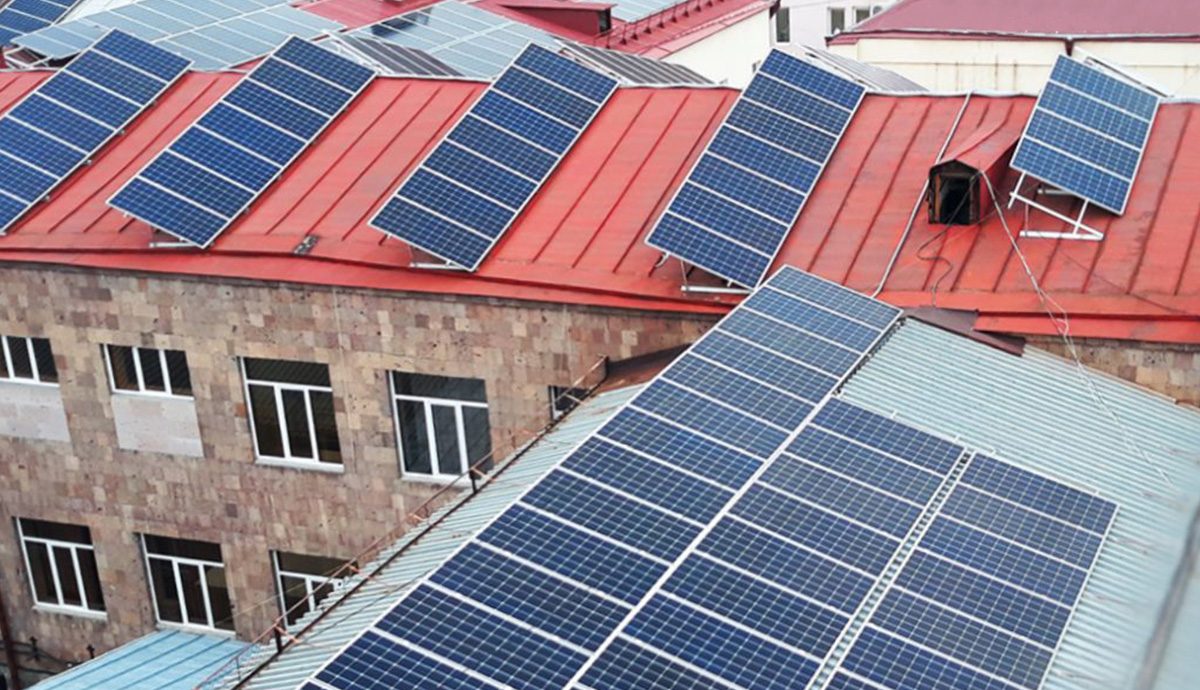
Under the REPowerEU plan announced in March, the EU raised its 2030 solar target to 740 GWdc (direct current) . The Commission notes that while the EU is expected to reach 40 GW of new solar PV by year‑end, achieving the 2030 goal requires boosting annual additions by 50% to 60 GW per year.
The emergency regulation, intended for one year, aims to ease administrative bottlenecks, protect more European nations from the weaponization of Russian gas, and help lower energy prices.

 en
en fr
fr de
de zh-CN
zh-CN ru
ru es
es pt
pt ja
ja ko
ko ar
ar