Leave A Message
If you are interested in our products and want to know more details,please leave a message here,we will reply you as soon as we can.


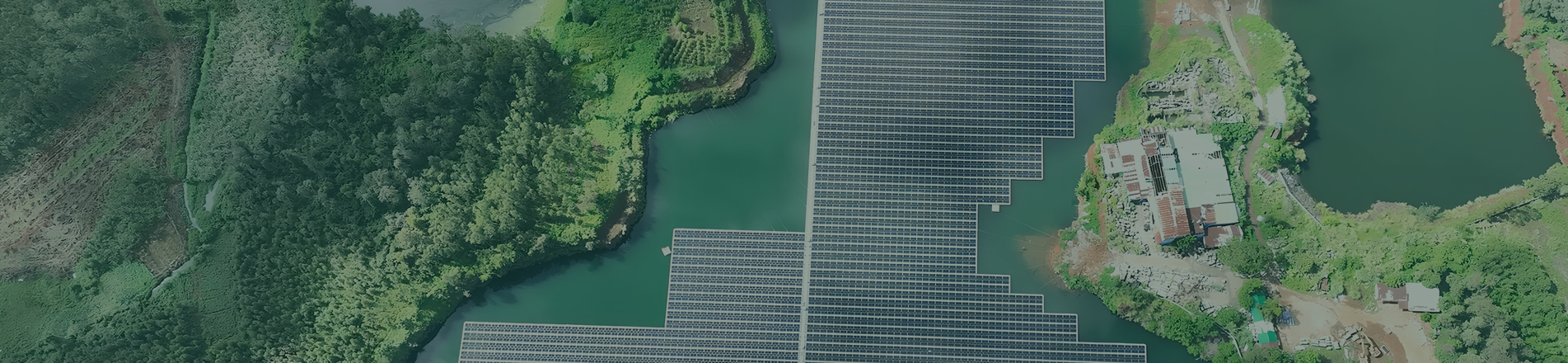
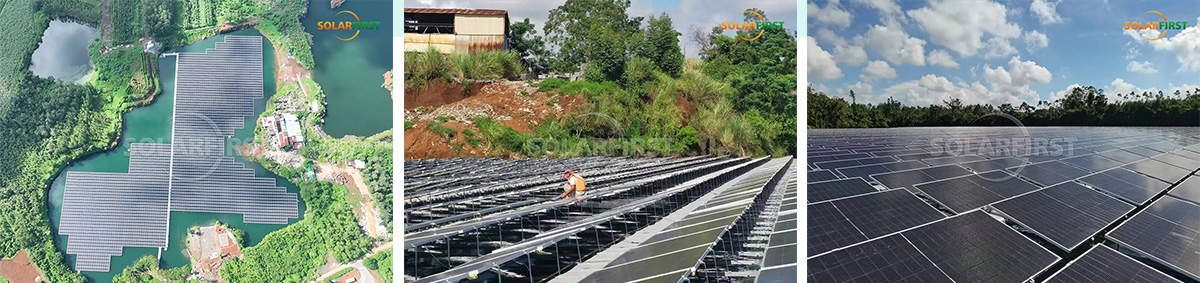
As land scarcity constrains ground‑mounted photovoltaic expansion, floating solar technology has emerged as a transformative solution. Unlike conventional PV plants, floating systems mount solar modules on buoyant platforms over water bodies, preserving terrestrial resources while enhancing energy yield through natural water cooling.
Core benefits:
Pioneering implementation:
The 2017 landmark project in Huainan City's Panji District (Anhui Province) deployed the world’s first floating PV plant across 1,393 mu (93 hectares) of water surface. This installation overcame critical technical challenges:
1. Dynamic stability ("Movement")
2. Hydro‑resilience ("Wet")
Versatile applications:
Suitable for diverse aquatic environments including natural lakes & reservoirs, flooded mining subsidence zones, and wastewater treatment facilities.
Environmental synergies:
Strategic advantage:
While desert and mountain PV expansions offer temporary relief, floating technology provides sustainable scalability without land competition. With global water surfaces covering ≈71% of Earth's area, this approach represents a fundamental shift in renewable energy infrastructure planning.

 en
en fr
fr de
de zh-CN
zh-CN ru
ru es
es pt
pt ja
ja ko
ko ar
ar