Leave A Message
If you are interested in our products and want to know more details,please leave a message here,we will reply you as soon as we can.


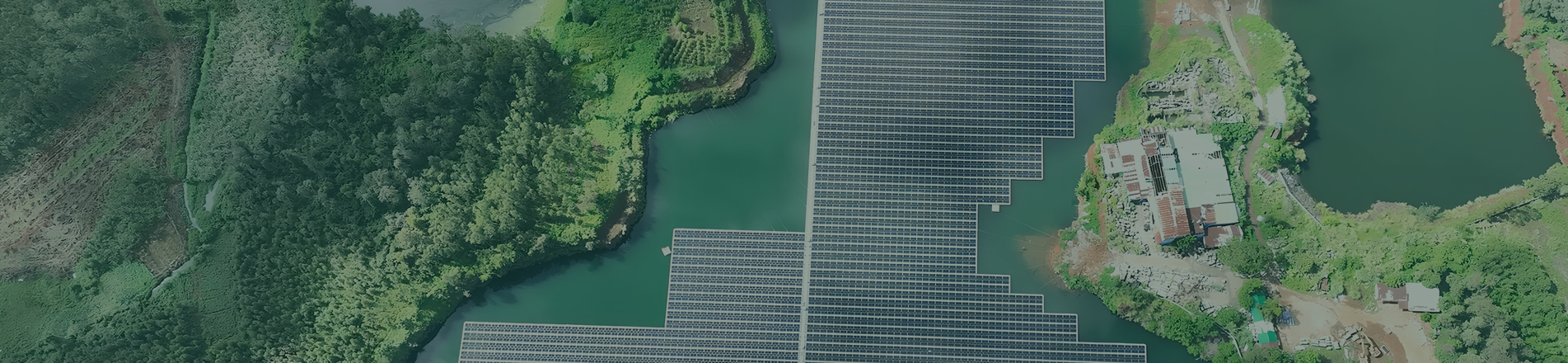
Building on the moderate success of floating PV installations on lakes and reservoirs worldwide, offshore floating photovoltaic (FPV) projects are emerging as a major opportunity for developers, especially when co‑located with wind farms.
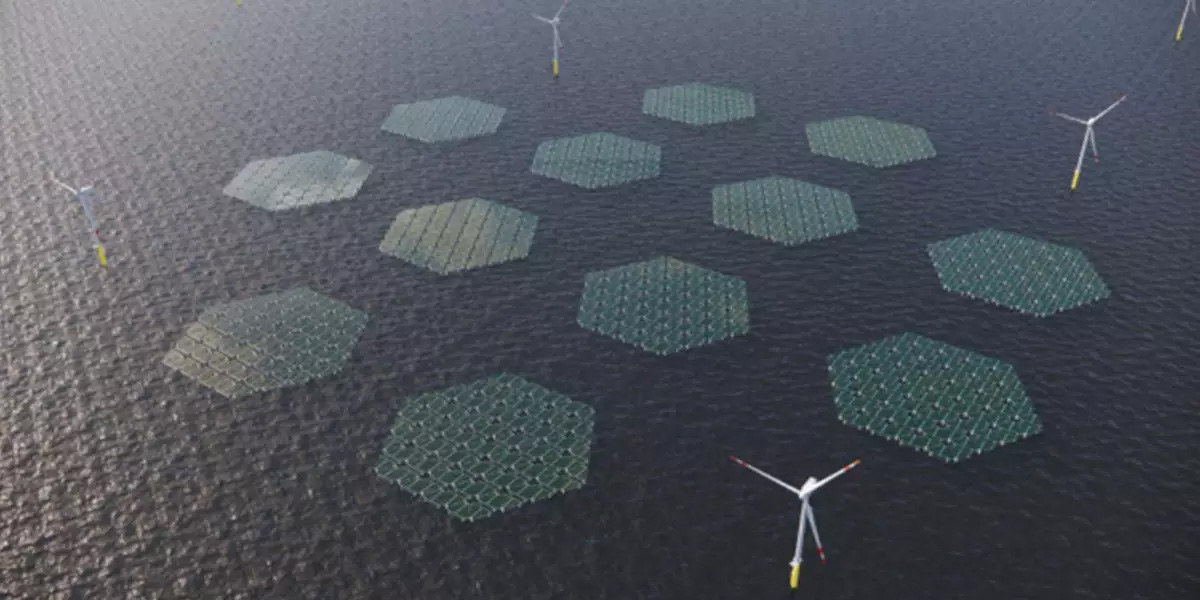
George Heynes explores how the sector is evolving from pilot initiatives to commercially viable large‑scale ventures. Floating PV modules operate like land‑based systems, but are mounted on floating platforms in oceans, lakes, and rivers – locations where grid development is challenging. Regions such as the Caribbean, Indonesia, and the Maldives stand to gain substantially from this approach.
A key advantage of offshore floating PV is its ability to coexist with existing renewable infrastructure:
▪ Hydropower facilities can integrate FPV to boost project capacity. The World Bank’s report “Where Sun Meets Water: Floating Solar Market Report” notes that adding solar capacity helps hydropower plants switch to “peak‑shaving” mode during low‑water periods.
▪ Offshore wind farms can be combined with floating PV to maximize productivity of large marine structures. Allard van Hoeken, CEO and founder of Oceans of Energy, stated: “Combining offshore floating PV with offshore wind enables much faster project development because the infrastructure already exists. Just 5% of the North Sea could supply 50% of the Netherlands’ annual energy requirement.”
Other benefits include water cooling for higher energy yield, reduced module shading, avoidance of large site preparation, and relative ease of deployment. Chris Willow, Head of Floating Wind Development at RWE Offshore Wind, noted that offshore PV “unlocks new possibilities for GW‑scale solar generation by avoiding land scarcity.” Ingrid Lomelde, Senior Naval Architect at Moss Maritime, highlighted relevance for city‑states like Singapore, where space for terrestrial energy is limited.
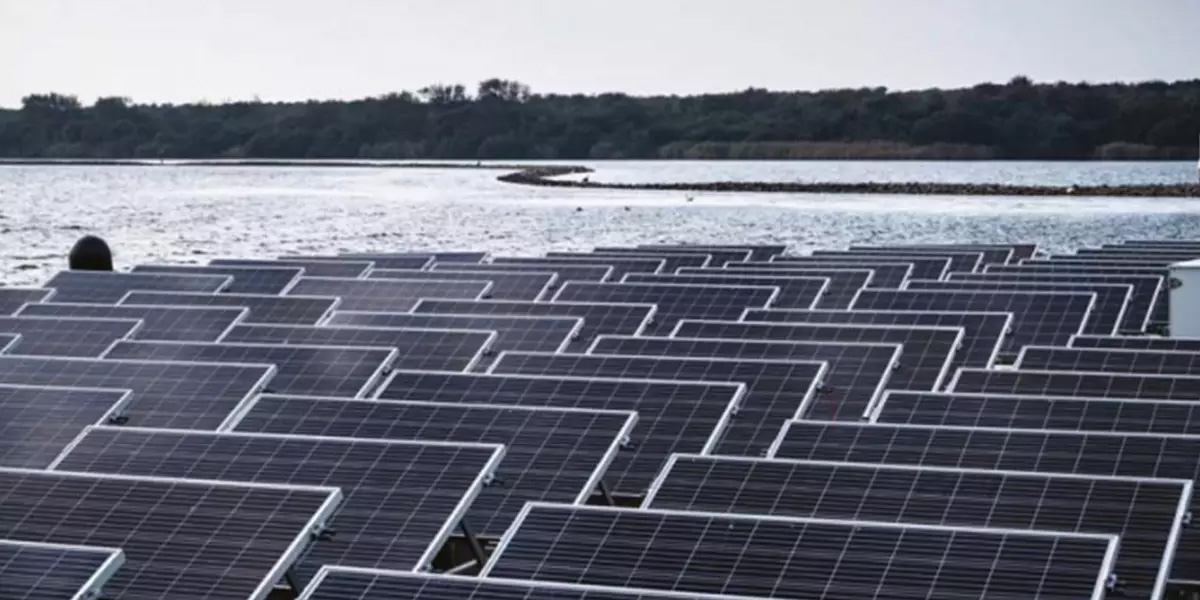
Francisco Vozza, Chief Commercial Officer of Solar‑Duck, pointed to emerging commercial projects in Greece, Italy, the Netherlands, Japan, Bermuda, South Korea, and Southeast Asia, confirming that applications are already commercially viable.
While challenges remain, floating photovoltaics hold the potential to dramatically increase renewable energy capacity in the North Sea and other oceanic regions, accelerating the global energy transition.

 en
en fr
fr de
de zh-CN
zh-CN ru
ru es
es pt
pt ja
ja ko
ko ar
ar