Leave A Message
If you are interested in our products and want to know more details,please leave a message here,we will reply you as soon as we can.


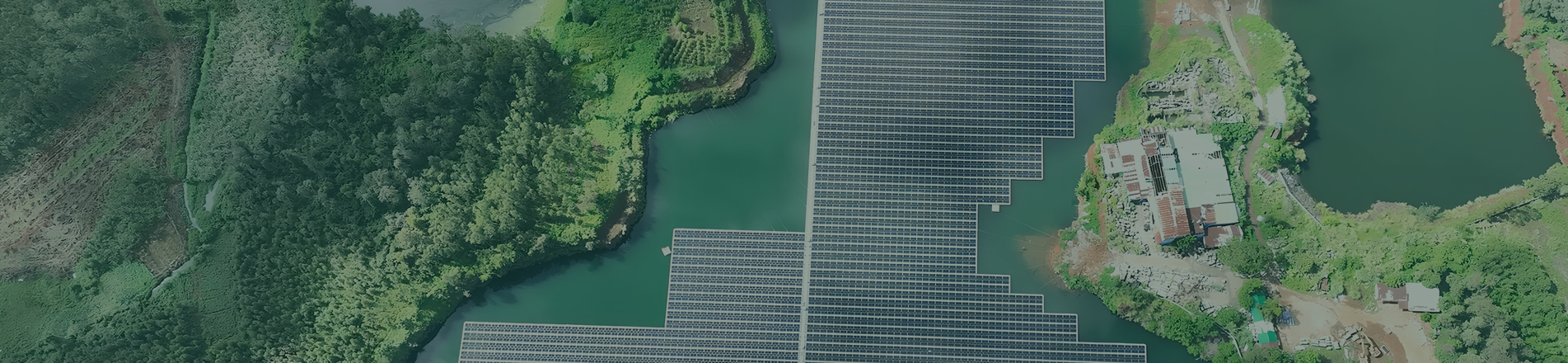
The latest "2022 Renewable Energy Generation Statistics Report" released by the International Renewable Energy Agency (IRENA) shows that in 2021, the world added 257 gigawatts (GW) of new renewable energy capacity, a year‑on‑year increase of 9.1%. This pushed the global cumulative installed renewable energy capacity past the 3‑terawatt (TW) mark (totaling 3,064 GW).
Key data highlights
Hydropower continues to hold the largest share, with a cumulative capacity of 1,230 GW.
Photovoltaic power experienced the fastest expansion, growing by 19% with 133 GW of new installations.
Wind power added 93 GW, representing a growth rate of 13%.
Together, photovoltaics and wind power accounted for 88% of the year’s new renewable energy capacity.
Asia leads the world in new installations
Asia contributed 154.7 GW of new capacity, or 48% of the global total.
As of 2021, Asia’s cumulative renewable energy capacity reached 1.46 TW.
China delivered an outstanding performance, adding 121 GW of new capacity despite the impact of the pandemic.
Europe and North America added 39 GW and 38 GW respectively, with the United States contributing 32 GW.
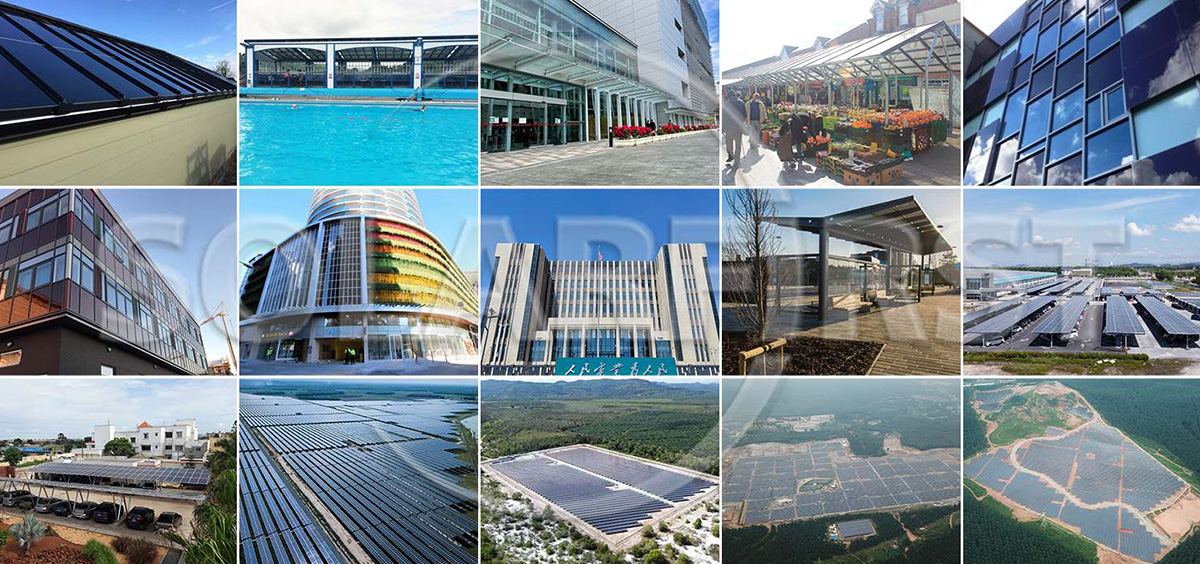
Against this global backdrop of surging photovoltaic installations, the Solar First Group is helping to drive the clean energy transition in multiple countries through a variety of technological routes. Between 2021 and 2022, the group successfully connected dozens of benchmark projects to the grid in Asia (China, Southeast Asia), Europe (Germany, the Netherlands), Africa (Kenya), and North America (Canada). Its technology portfolio covers six major scenarios: BIPV photovoltaic roof systems in industrial parks, BIPV curtain wall power‑generating facades in commercial complexes, BIPV photovoltaic carports in public facilities, large‑scale solar ground‑mount support power stations in desert areas, agricultural photovoltaic platforms in tropical rainforest regions, and distributed roof support networks in urban communities.
The Solar First Group's projects have not only directly contributed gigawatt‑level new installed capacity but have also responded to IRENA’s call for accelerated transformation through innovative applications. For example, a BIPV curtain wall project in the Netherlands achieved net‑zero energy consumption for the building, while an agricultural platform project in Kenya reduced crop transpiration water loss by 30% while generating electricity.
IRENA warns: growth rate still insufficient, transition needs to accelerate
Despite the rapid renewable energy deployment in major economies around the world, IRENA emphasized in its report that the growth rate of renewable generation must outpace the growth of energy demand.
Francesco La Camera, Director‑General of IRENA, pointed out:
"The continued growth once again proves the resilience of renewable energy. Last year’s strong performance has created more opportunities for countries to use renewable energy to gain multiple social and economic benefits. However, despite the encouraging global trends, our 'Global Energy Transition Outlook' indicates that the speed and breadth of the energy transition are far from sufficient to avoid the severe consequences of climate change."
Strategic cooperation and hydrogen prospects
IRENA launched its Strategic Partnership Agreement program at the beginning of this year, aiming to facilitate experience‑sharing among countries in achieving carbon neutrality goals.
Many countries are taking measures, such as using green hydrogen to secure energy supplies.
According to IRENA data, to keep the global temperature rise within the 1.5°C target set by the Paris Agreement by 2050, hydrogen energy (primarily green hydrogen) will need to account for at least 12% of the world’s total energy mix by then.
Case study: India’s green hydrogen potential
The Indian government signed a strategic partnership agreement with IRENA in January of this year.
Francesco La Camera noted that India is a powerful player in renewable energy and is committed to energy transformation.
Over the past five years, India’s cumulative renewable energy capacity has reached 53 GW, with an additional 13 GW added in 2021.
To support the decarbonization of its industrial economy, India is working to build a green hydrogen supply chain.
Under the agreement, the Indian government and IRENA have positioned green hydrogen as a key driver of India’s energy transition and a potential source of new energy exports.
According to a report by market research firm Mercom India Research, as of the fourth quarter of 2021, India’s cumulative renewable energy capacity reached 150.4 GW, with photovoltaic systems accounting for 32% of the quarter’s new renewable capacity additions.
Global share continues to rise
In 2021, renewable energy accounted for 81% of the global increase in total installed power generation capacity (up from 79% in 2020).
The share of renewable energy in the world’s total power generation rose from 36.6% in 2020 to 38.3% in 2021, an increase of nearly two percentage points.
The International Energy Agency (IEA) forecasts that renewable energy generation is expected to account for 90% of the world’s total new power generation in 2022.

 en
en fr
fr de
de zh-CN
zh-CN ru
ru es
es pt
pt ja
ja ko
ko ar
ar