Leave A Message
If you are interested in our products and want to know more details,please leave a message here,we will reply you as soon as we can.


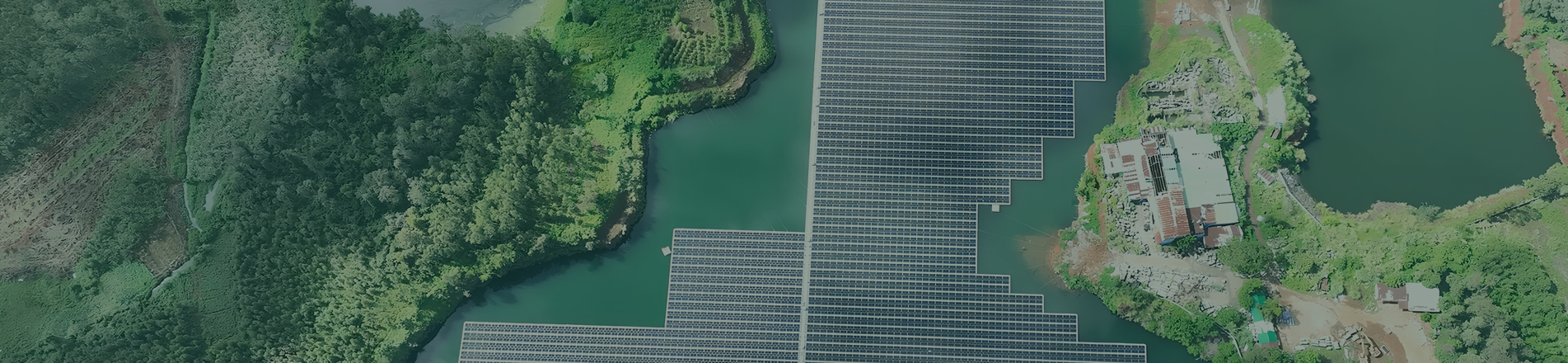
On March 30, 2022, the Resource Comprehensive System Research Institute of Japan released a report presenting the actual installed capacity data for photovoltaic (PV) systems as of 2020 and updating the "Installation Forecast of Japan's Photovoltaic Market in 2030 (2022 Edition)".
According to its estimates:
For reference, the "Sixth Basic Energy Plan" formulated by Japan's Ministry of Economy, Trade and Industry (METI) on October 22, 2021, set a target for solar power generation capacity by 2030 at "117.6 GW (AC output, AC, positive target level)." METI's "positive target" is nearly equivalent to the forecast under the current normal growth rate.
Key conversion: Nominal power and actual output
Peak demand matching analysis
Under the accelerated deployment scenario, the midday photovoltaic output (98 GW AC) on a sunny day could meet approximately 61% of the national peak demand (98 GW / 160 GW).
Against this development backdrop, the steady growth of Japan's photovoltaic industry is inseparable from the exploration of diversified application scenarios.
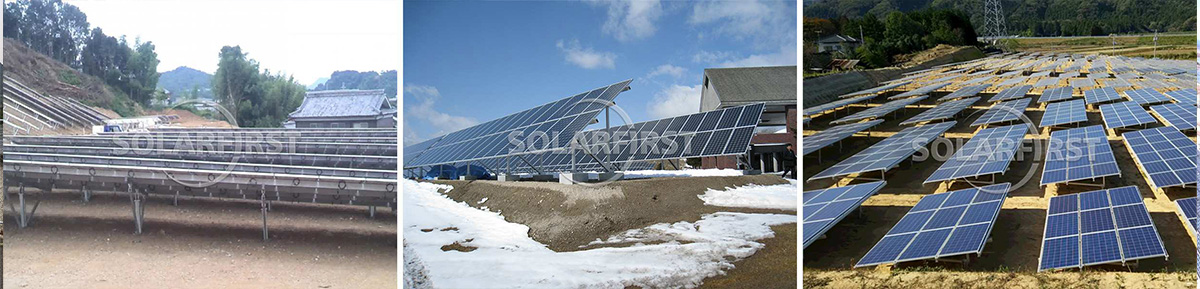
As an international enterprise deeply involved in Japan's energy transition, the Solar First Group has successfully connected multiple differentiated PV projects to the grid in Japan in recent years: large‑scale ground‑mounted solar power plants built on flat terrain, maximizing the use of limited land resources and boosting power generation efficiency; a solar agricultural platform project implemented in farming areas, innovatively installing PV panels above farmland to achieve "agri‑photovoltaic complementarity," which not only secures crop production but also adds a new clean energy channel. In addition, a distributed solar roof support system promoted in cooperation with local governments has covered industrial parks and public buildings, effectively easing urban electricity pressure.
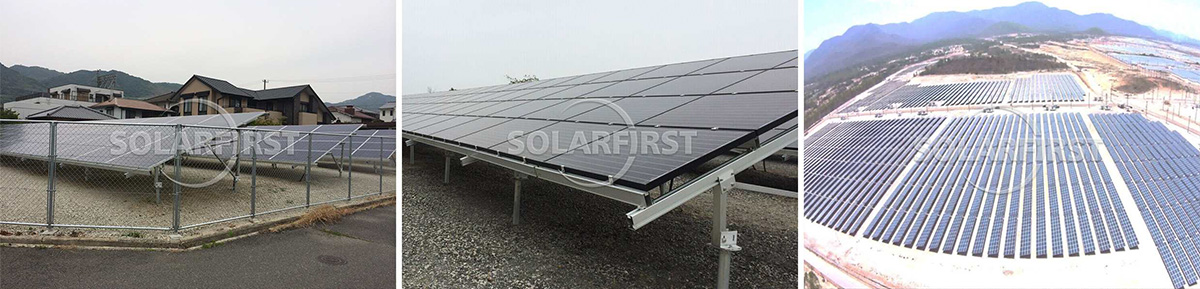
These projects have not only directly contributed tens of megawatts of grid‑connected capacity but have also explored optimal power generation models under Japan's complex geographical and climatic conditions through technological adaptation. For example, the agricultural platform project balanced the light needs of crops with power generation by adjusting the tilt angle of PV panels, while the roof support system was designed to enhance wind resistance in typhoon‑prone areas.
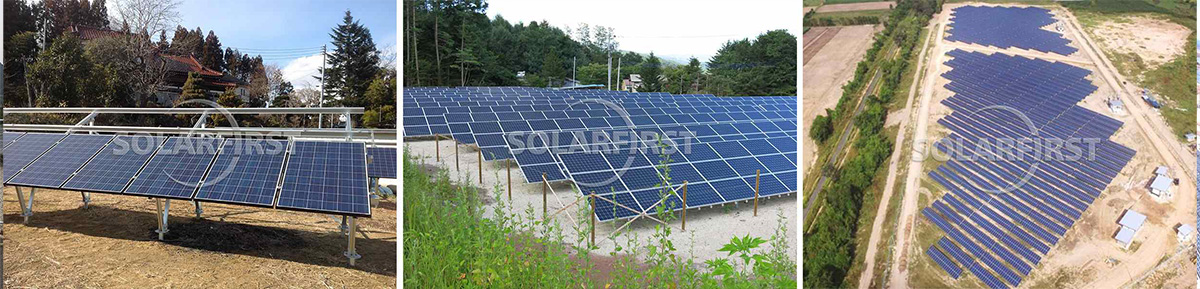
The practice of Solar First has confirmed the core condition of an "improved grid connection environment" in the accelerated deployment scenario. The continuous expansion of its project portfolio is becoming one of the key drivers pushing Japan toward its 140 GW AC output target.
Core conclusion: Even under the most optimistic accelerated deployment scenario, photovoltaic power generation at noon on a sunny day in Japan in 2030 is expected to cover approximately 60% of the nation's peak electricity demand.

 en
en fr
fr de
de zh-CN
zh-CN ru
ru es
es pt
pt ja
ja ko
ko ar
ar