Metal Roofs for Solar Panels: Major Benefits and Key Considerations
Metal roofs offer an excellent platform for solar panel installation, with several strong advantages:
Durable: A metal roof can last up to 70 years, compared to only 15–20 years for asphalt shingles. Metal roofs are also fire‑resistant, adding safety in wildfire‑prone areas.
Reflect sunlight and reduce energy use: Thanks to low thermal mass, metal roofs reflect light and heat rather than absorbing it. This keeps interiors cooler in summer and improves energy efficiency. High‑quality metal roofs can cut energy bills by up to 40% for homeowners.
Easy to install: Metal roofs are thinner and less prone to cracking than tile roofs, making drilling simpler. Cables can also be routed easily underneath.
However, there are important drawbacks to consider:
Higher cost: Metal roofs typically cost two to three times more than asphalt shingle roofs, due to both material prices and the need for more skilled labor.
Noise issues: Without adequate sound insulation, rain can be noticeably louder because the wooden backing plate between the metal panel and the ceiling may not absorb enough sound.
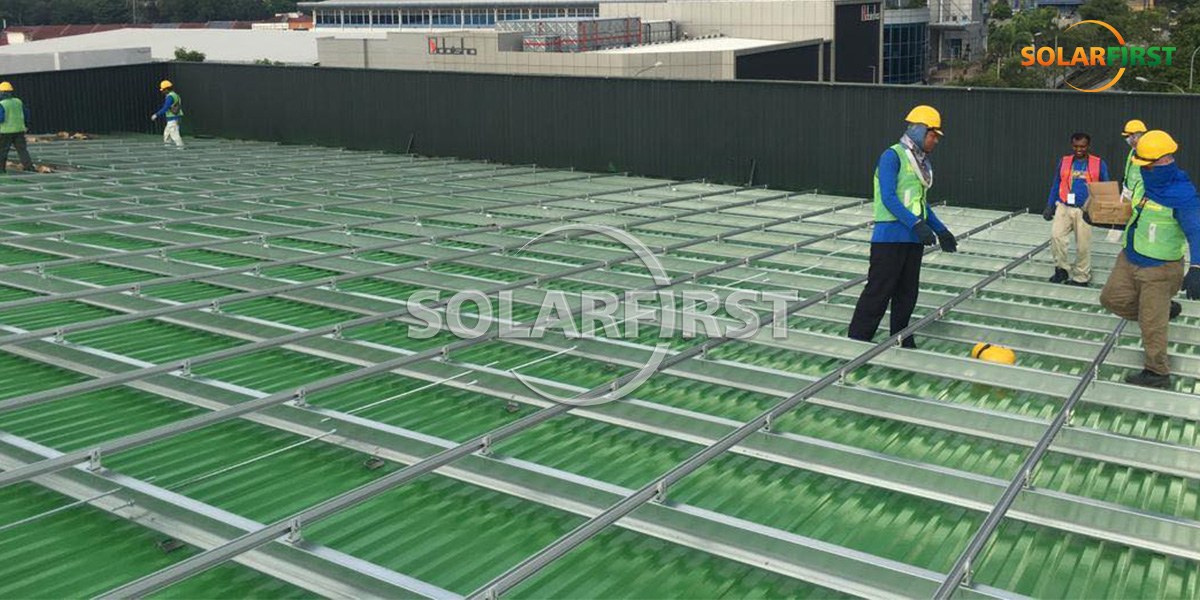
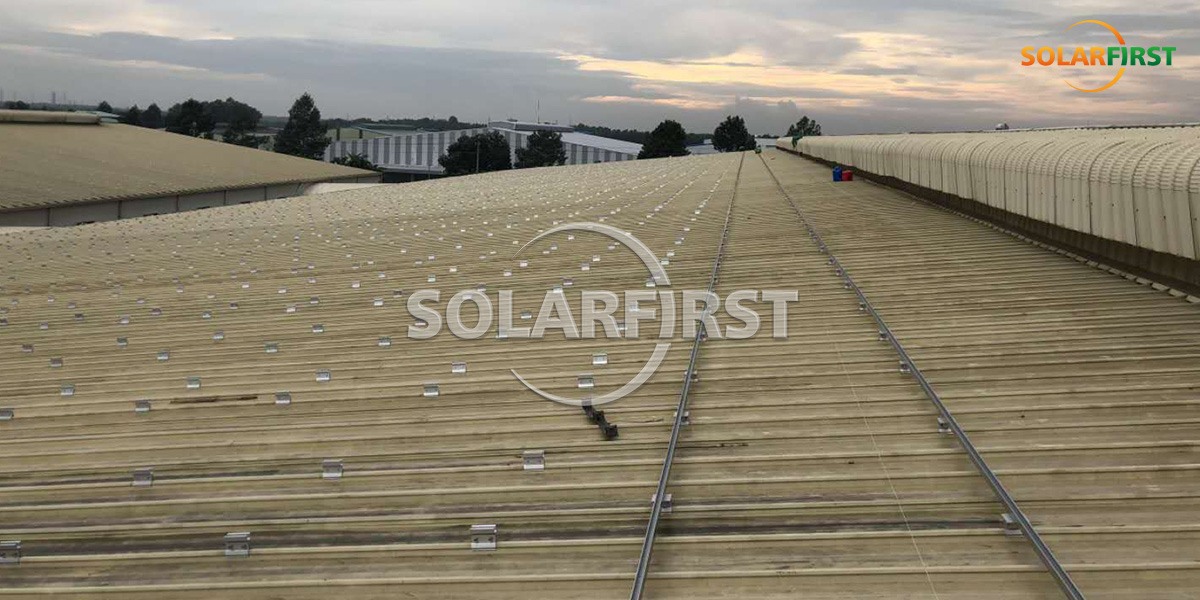
Special mounting hardware required: Installing solar panels on metal roofs often calls for specially designed clamps or clamping devices for the brackets, increasing installation complexity and potential extra costs.



 en
en fr
fr de
de zh-CN
zh-CN ru
ru es
es pt
pt ja
ja ko
ko ar
ar