Leave A Message
If you are interested in our products and want to know more details,please leave a message here,we will reply you as soon as we can.


Large-scale solar power stations in the Swiss Alps could boost winter electricity generation and accelerate the energy transition. Late last month, parliament approved a moderate version of the plan, disappointing opposing environmental groups.
Studies indicate that solar panels high in the Swiss Alps could generate at least 16 terawatt-hours (TWh) annually – roughly 50% of the 2050 solar target set by the Swiss Federal Energy Office (BFE/OFEN). While China operates several large Alpine solar plants, and France and Austria have smaller ones, large-scale facilities in the Swiss Alps remain rare.
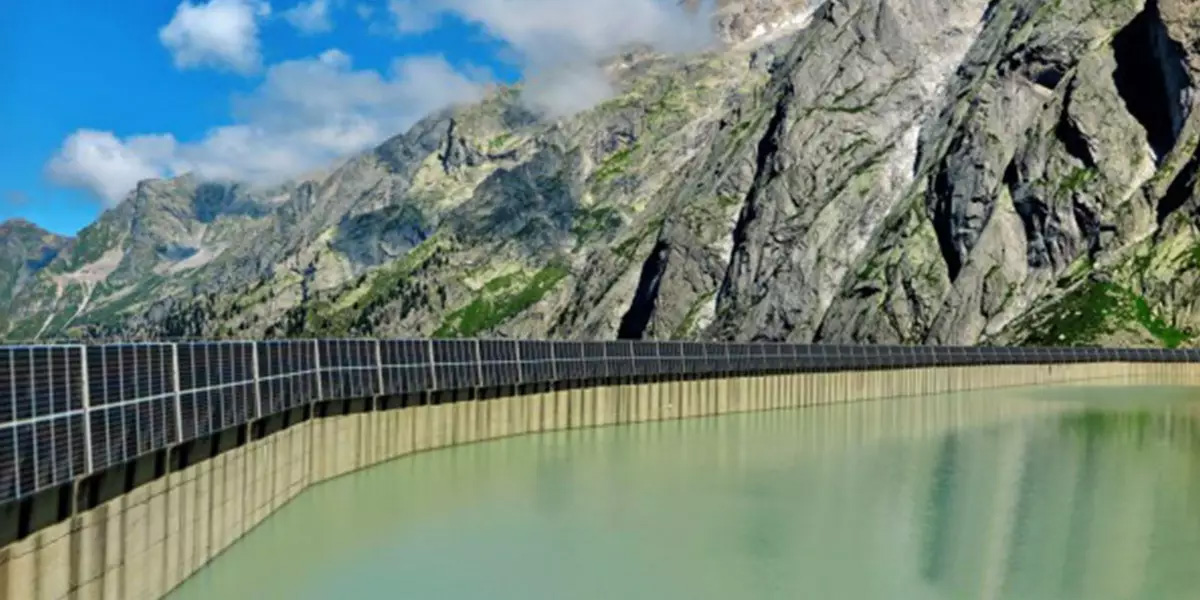
Most solar panels are currently installed on existing infrastructure like mountain huts, ski lifts, and dams. However, driven by climate concerns and winter energy shortages, Switzerland is re‑examining its approach. This autumn, a “Solar Offensive” by several parliament members called for faster approval of Alpine solar stations.
In the canton of Valais, two new proposals have emerged: the Gondosolar project (42 million Swiss francs, 4,500 panels on private land near the Swiss‑Italian border) and a much larger project near Glengiols (750 million francs, the size of 700 football fields). Renat Jordan, landowner and initiator of Gondosolar, expects 23.3 million kWh annually – enough for 5,200 households. The Glengiols project, supported by Senator Beat Rieder, could add 1 TWh of winter power, serving a city of 100,000–200,000 people.
Yet controversy is intense. Maren Koln of Mountain Wilderness argues that existing buildings already offer 67 TWh of solar potential – far above the 34 TWh target for 2050 – so undeveloped land should not be touched. Other groups, like the Franz Weber Foundation, call the parliamentary decision “irresponsible” and are pushing for a referendum.
Experts highlight advantages: Christian Schaffner from ETH Zurich notes that high‑altitude panels receive abundant winter sunlight, operate more efficiently in cold, and can be vertical double‑sided panels to capture reflected light from snow.
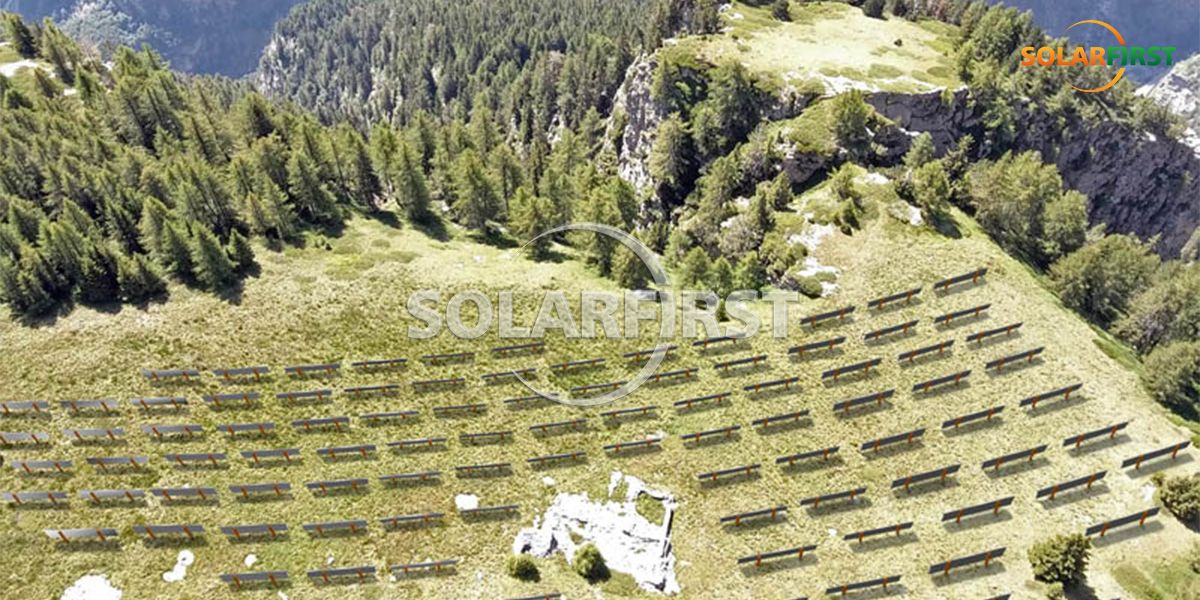
Parliament ultimately approved a moderate plan: Alpine solar stations producing over 10 GWh/year will receive federal support covering up to 60% of capital costs, with simplified planning. However, construction is treated as an emergency measure – generally prohibited in protected areas and requiring dismantling after service life. Additionally, all new Swiss buildings over 300 m² must install solar panels.
Environmentalists remain critical. Natalie Lutz of Pro Natura says the plan still advances solar “at the expense of the Alpine natural environment.” Meanwhile, seven major Swiss power companies are already exploring new projects, and industry group Solalpine is identifying ten high‑altitude sites for potential solar stations.

 en
en fr
fr de
de zh-CN
zh-CN ru
ru es
es pt
pt ja
ja ko
ko ar
ar