Leave A Message
If you are interested in our products and want to know more details,please leave a message here,we will reply you as soon as we can.


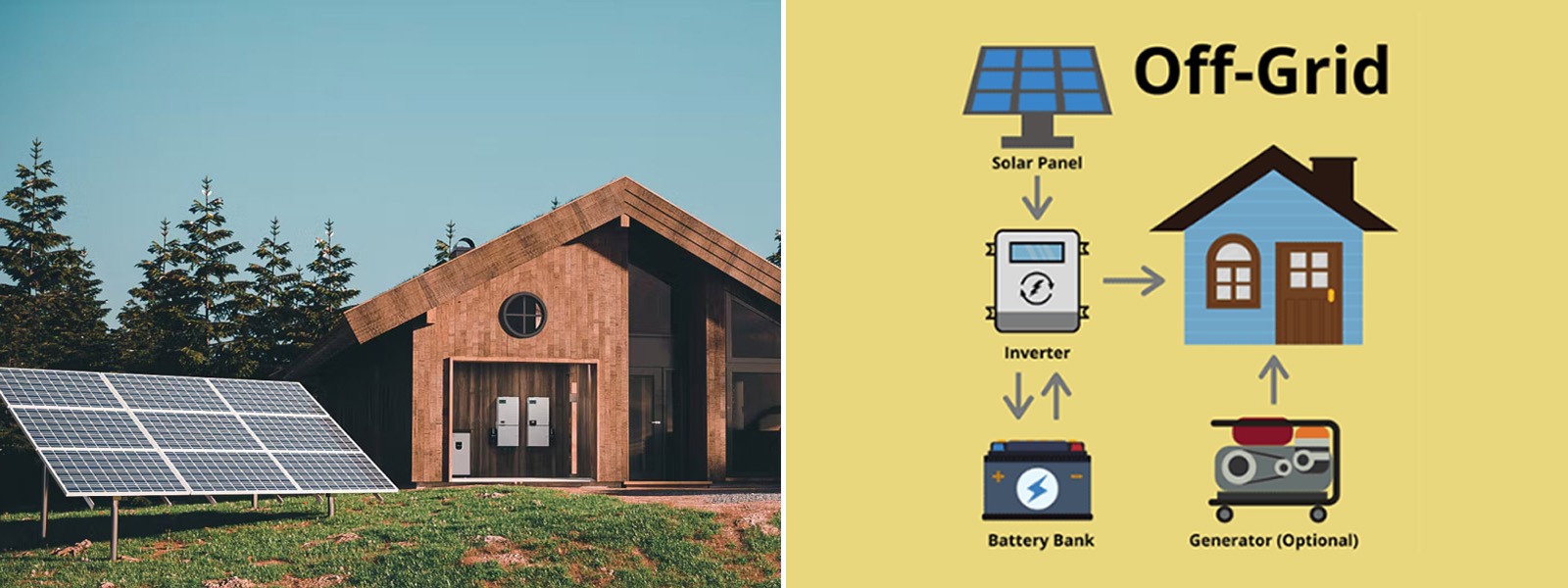
An off-grid solar energy system operates independently from the main electrical grid. This means meeting all your energy needs solely through solar power – without relying on the conventional electricity network.
A fully equipped off-grid solar system includes all components needed to generate, store, and deliver solar energy directly on site. Since these systems function without any link to external power sources, they are also called "standalone solar power systems."
Typical Applications:
▪ Charging portable devices (phones, tablets)
▪ Powering appliances in recreational vehicles (RVs)
▪ Generating electricity for remote cabins
▪ Supplying small, energy‑efficient homes without grid access
Essential Equipment:
▪ Solar panels
▪ Solar charge controller
▪ Solar inverter(s)
▪ Solar battery (or battery bank)
▪ Mounting hardware (racks and structure)
▪ Electrical wiring and junction boxes
Determining System Size
Selecting the right system size is a critical first step. It affects the equipment needed, installation complexity, and total cost. Sizing is fundamentally based on daily energy requirements (kilowatt‑hours, kWh). Two primary methods to calculate this:
▪ Analyzing current electricity consumption (via utility bills)
▪ Performing a detailed load evaluation (listing all appliances and their usage)
Key Advantages:
▪ Complete independence from utility companies and grid outages
▪ Environmentally friendly – uses renewable solar energy
▪ Promotes greater awareness and efficiency in energy use
▪ Often the only viable power solution in geographically isolated locations

 en
en fr
fr de
de zh-CN
zh-CN ru
ru es
es pt
pt ja
ja ko
ko ar
ar