Leave A Message
If you are interested in our products and want to know more details,please leave a message here,we will reply you as soon as we can.


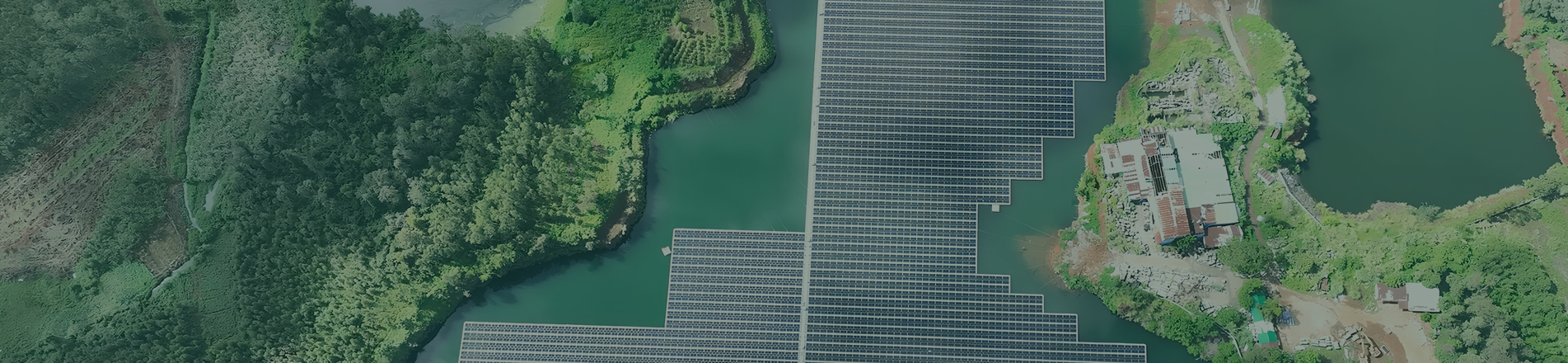
Solar energy is a cornerstone of global renewable strategies. Thin-film relies on lightweight, flexible cells, while crystalline silicon prioritizes efficiency but requires thicker panels. Below is a comparative overview.
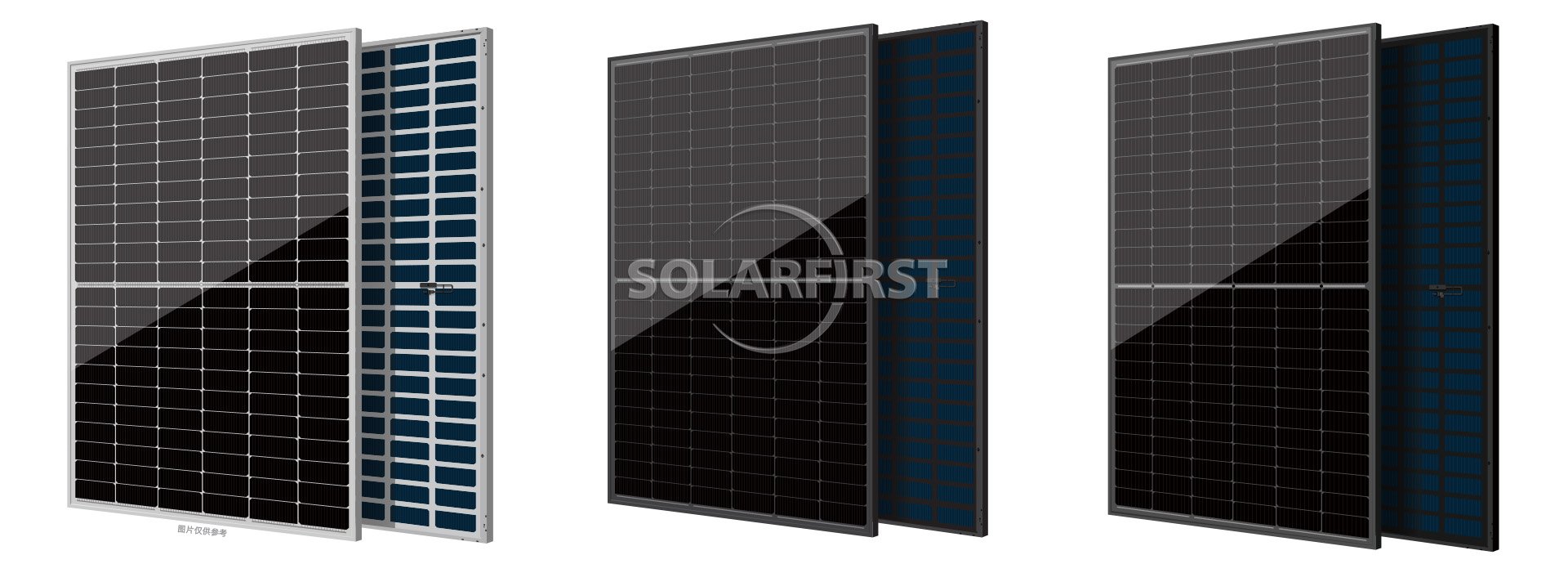
I. Thin-Film Power Generation
Advantages:
▪ Uses only 1–5% of the semiconductor material compared to silicon.
▪ Simple, low-energy manufacturing enables large-area continuous production on low-cost substrates (glass, stainless steel, polymers).
▪ Multiple technology routes: CIGS, CdTe, amorphous silicon.
▪ Superior low-light performance (cloudy days, dawn/dusk) – smaller generation gap between sunny and overcast conditions.
▪ Ideal for desert power plants, building‑integrated PV (BIPV), solar carports, and curved/portable applications.
Disadvantages:
▪ Lower conversion efficiency: ~8% average (vs. silicon’s 17–26%).
▪ High initial equipment/tech investment – 5 to 10 times higher than silicon.
▪ Lower manufacturing yield: non/microcrystalline silicon ~60%; top‑tier CIGS ~65% (vs. silicon’s 95–98%).
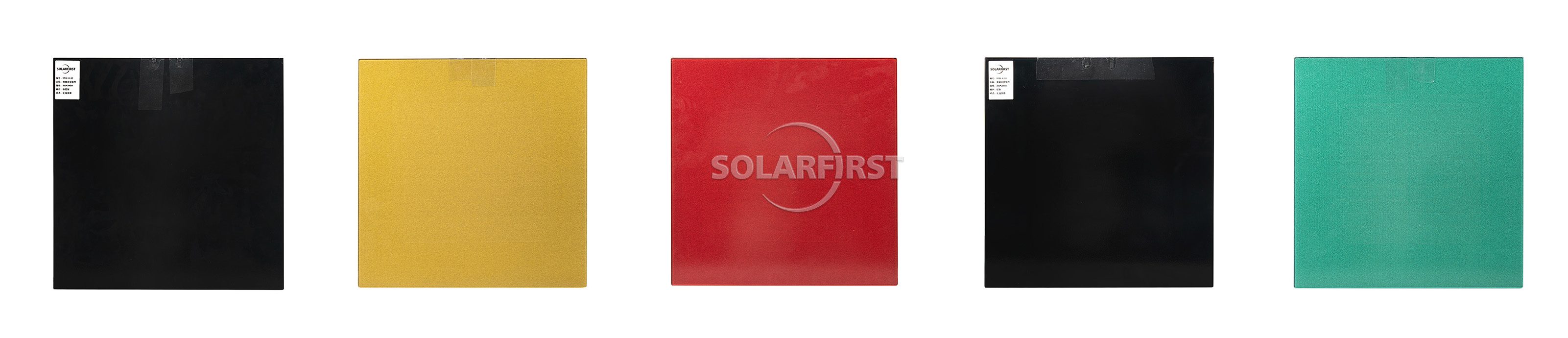
II. Crystalline Silicon Power Generation
Advantages:
▪ High efficiency: commercial panels 17–26% (monocrystalline > polycrystalline).
▪ Mature, stable technology with minimal frequent upgrades.
▪ High yield: monocrystalline >98%, polycrystalline >95%; domestic equipment meets most needs.
Disadvantages:
▪ Supply chain risks – polysilicon price volatility (e.g., 300% surge from 2021–2023).
▪ Energy‑intensive production → high carbon footprint; vulnerable to carbon tax policies.
▪ Rigid, heavy panels limit installation flexibility.
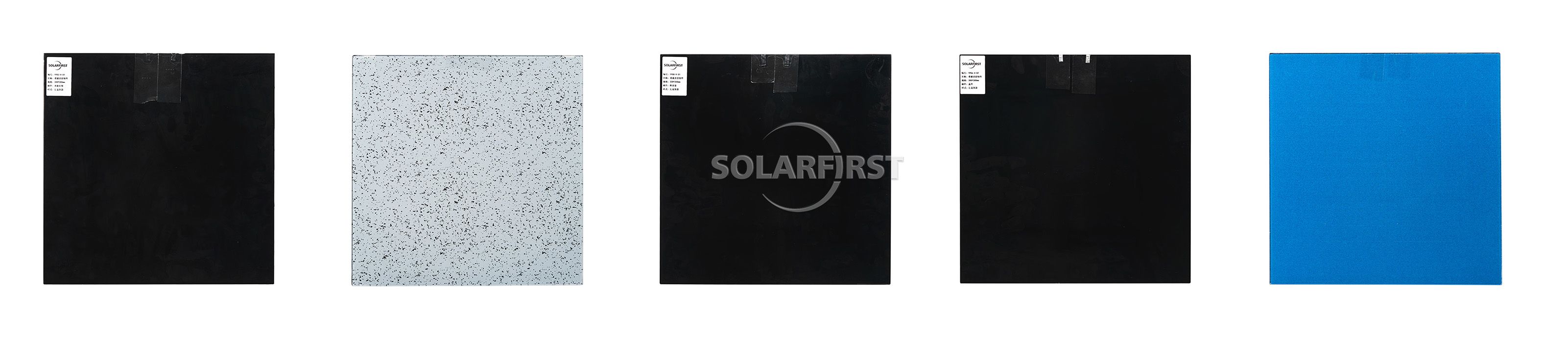
Key Technical Comparison
| Factor | Thin-Film | Crystalline Silicon |
| Efficiency | 8–12% (laboratory: 23.5% for CIGS) | 17–26% (mono PERC: ~24.5%) |
| Lifespan/Degradation | Near-zero light-induced degradation | 0.5–2% annual efficiency loss (B-O effect) |
| Cost (Utility-Scale) | $0.50–$0.70/W (lower mat. cost) | $0.80–$1.00/W (lower capex) |
| Yield | 60–65% | 95–98% |
| Applications | BIPV, flexible structures, low-light zones | Rooftops, utility farms, high-sun regions |
Critical Trade-offs
▪ Thin-film excels in flexibility, low‑light response, and aesthetics but lags in efficiency and yield. Best for: building integration, space‑constrained projects, and harsh environments.
▪ Crystalline silicon dominates efficiency and reliability but is rigid and supply‑sensitive. Best for: large‑scale farms, high‑sun regions, and cost‑driven projects.
▪ Long‑term value: Though thin‑film has higher upfront costs, its near‑zero degradation (vs. silicon’s 10–20% loss over 25 years) may offer superior lifetime ROI where durability matters more than peak efficiency.
Data sources: NREL, IRENA, EU PVSITES, Becquerel Institute.

 en
en fr
fr de
de zh-CN
zh-CN ru
ru es
es pt
pt ja
ja ko
ko ar
ar