Leave A Message
If you are interested in our products and want to know more details,please leave a message here,we will reply you as soon as we can.


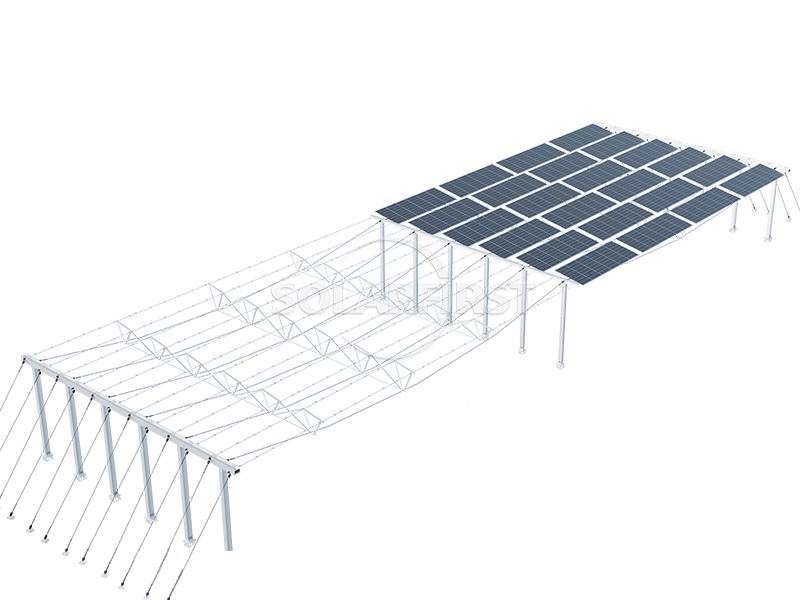
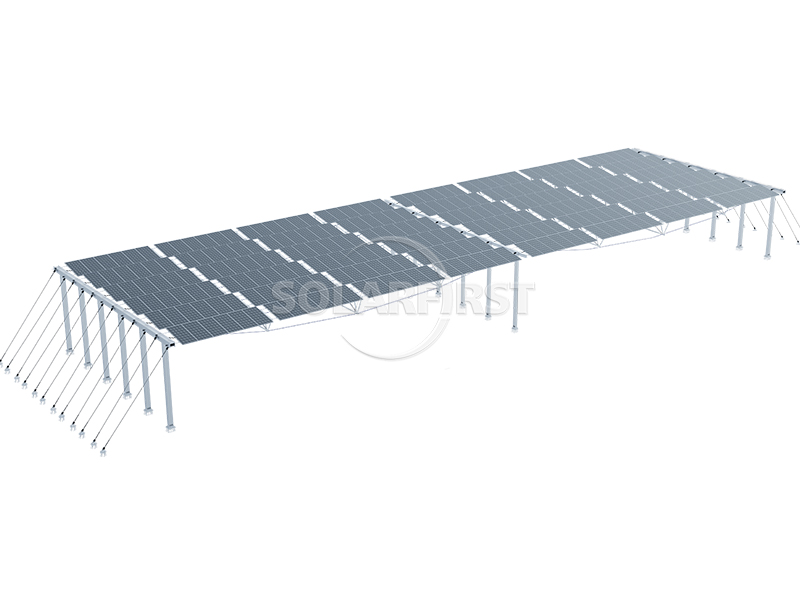
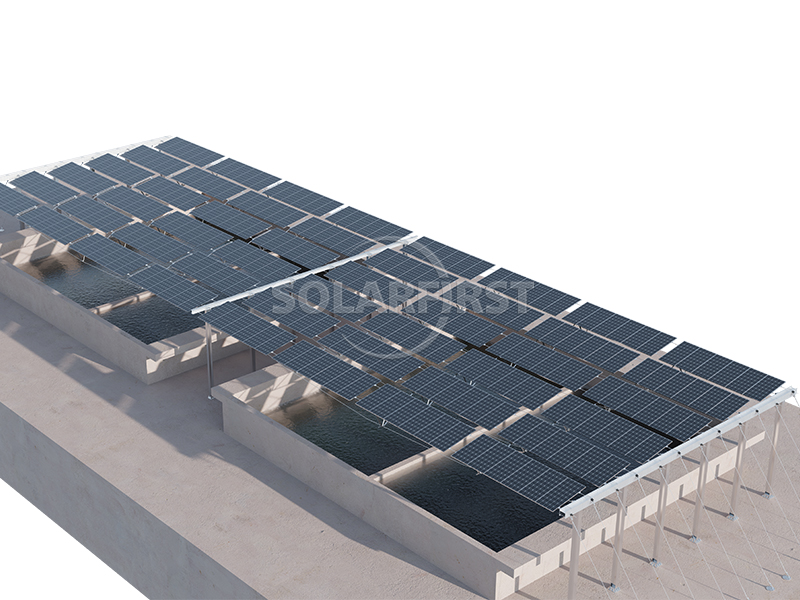
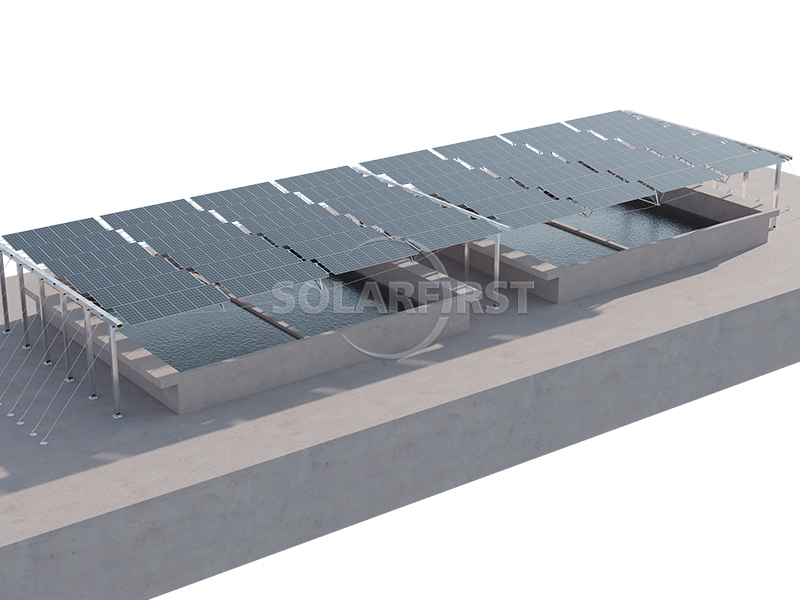
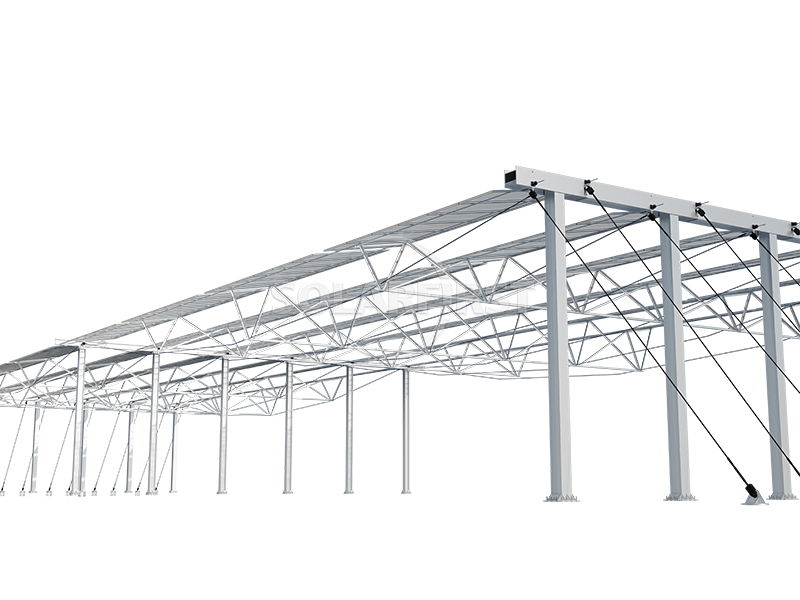
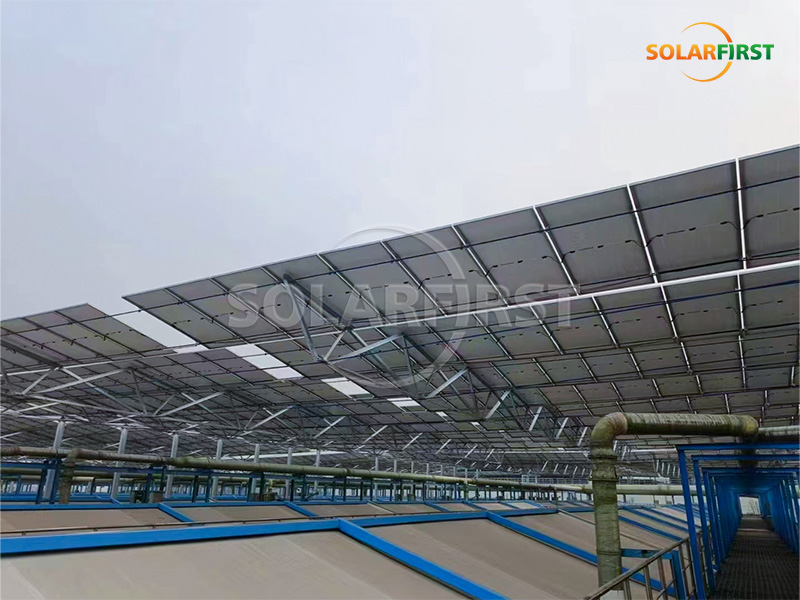
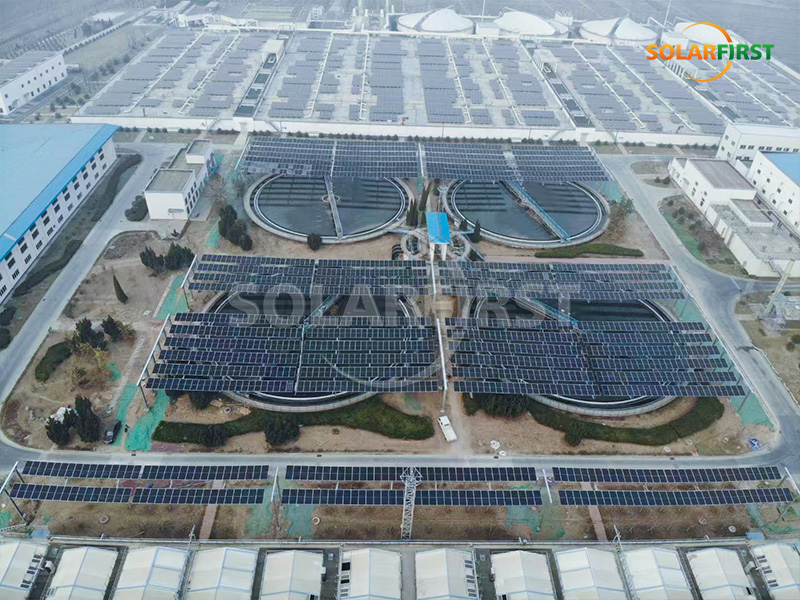
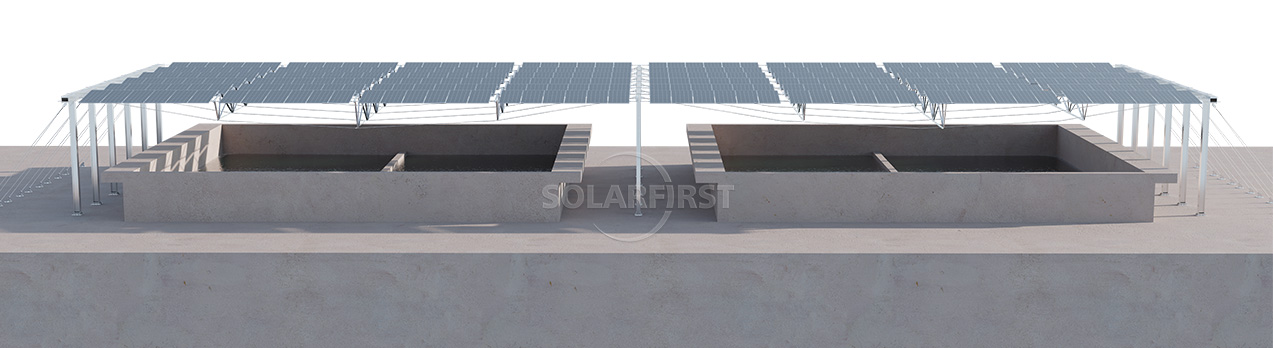
The double-layer cable-stayed flexible photovoltaic (PV) support system employs an upper and lower cable truss structure, forming a load-bearing and stabilizing double-layer cable net through prestressed steel strands. This allows for a larger span (typically 30–40 meters) and higher clearance (usually below 8 meters). Compared to conventional fixed supports, the foundation usage may be reduced (data indicates approximately 55%, but actual figures vary depending on the layout), making it suitable for PV projects requiring reduced ground disturbance or improved land utilization. Primarily designed for wastewater treatment plants, agricultural-photovoltaic integration, and fishery-photovoltaic integration, it is adaptable to various terrains including mountains, hills, plains, deserts, and coastal areas.

Product Description
From a technical perspective, the double-layer cable flexible support system forms a stable spatial force-bearing system through the struts or cables between the upper and lower layers of cables, enabling the component array to achieve good wind resistance stiffness and deformation coordination. The upper layer of cables mainly bears the vertical load, while the lower layer of cables provides reverse prestressing and stabilization, jointly limiting the displacement amplitude under dynamic loads such as wind and snow. This structure requires high precision in construction tensioning and anchoring, but after completion, it can provide a relatively regular component installation plane. The components can be arranged horizontally or vertically, with the fixing angle generally not exceeding 20°, and can be customized within a limited range according to project requirements.
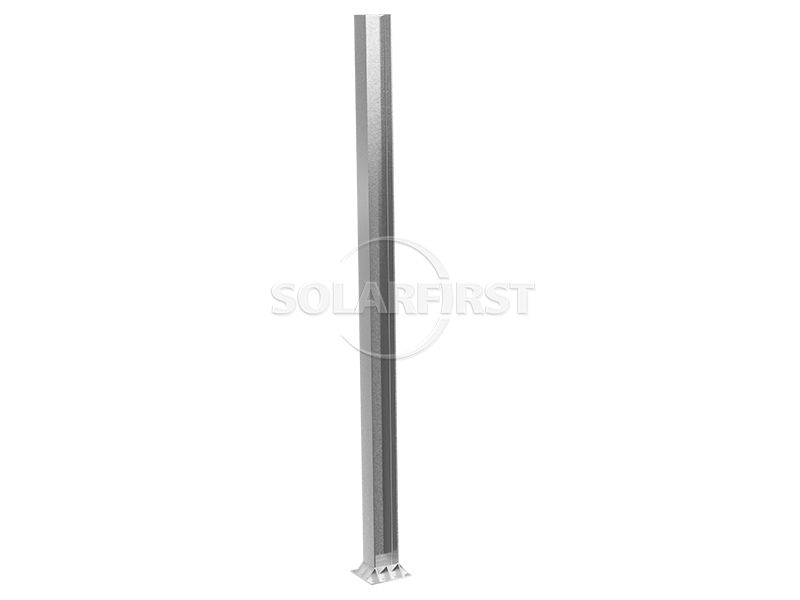
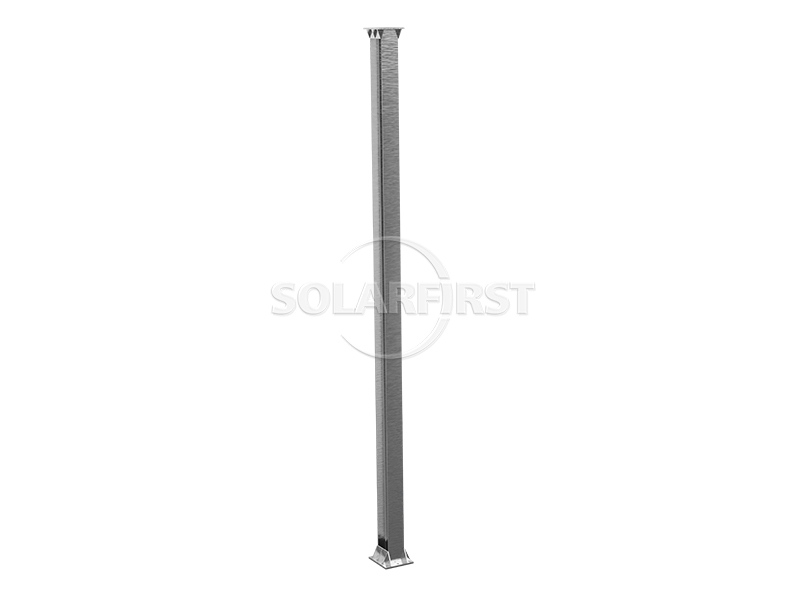
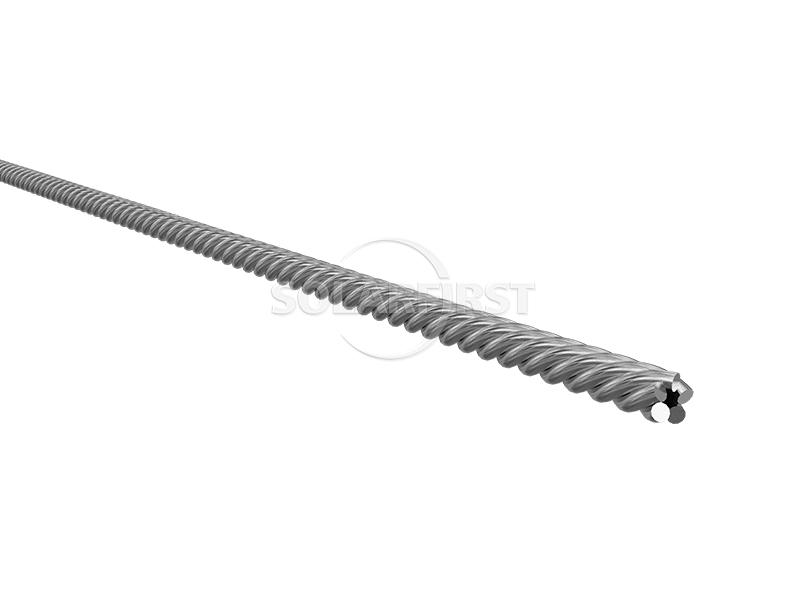
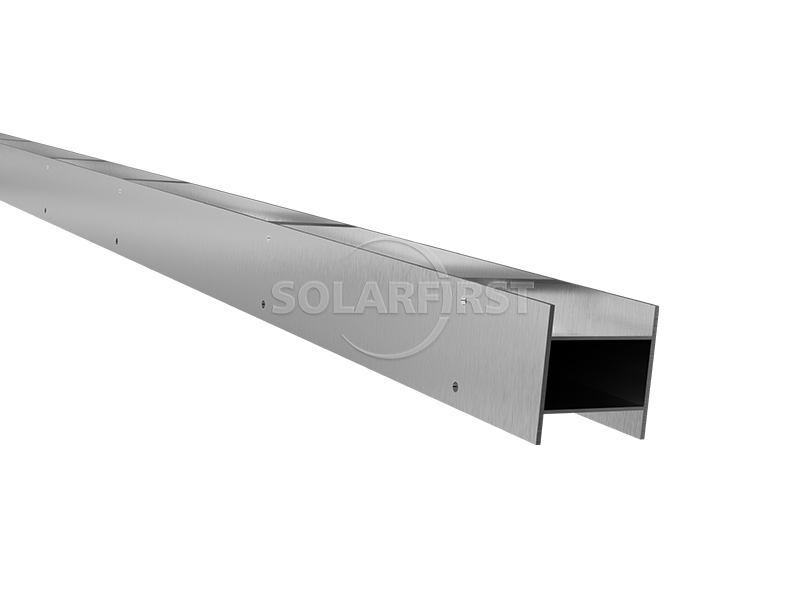
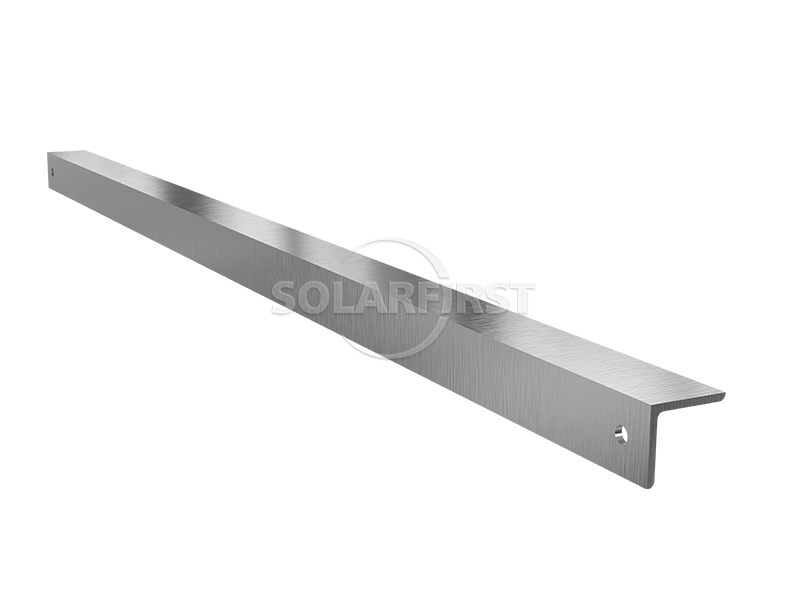
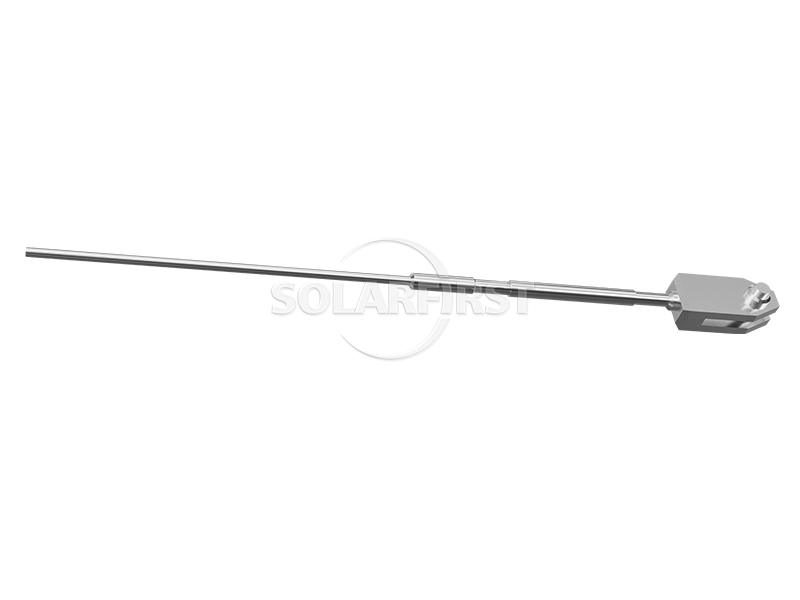
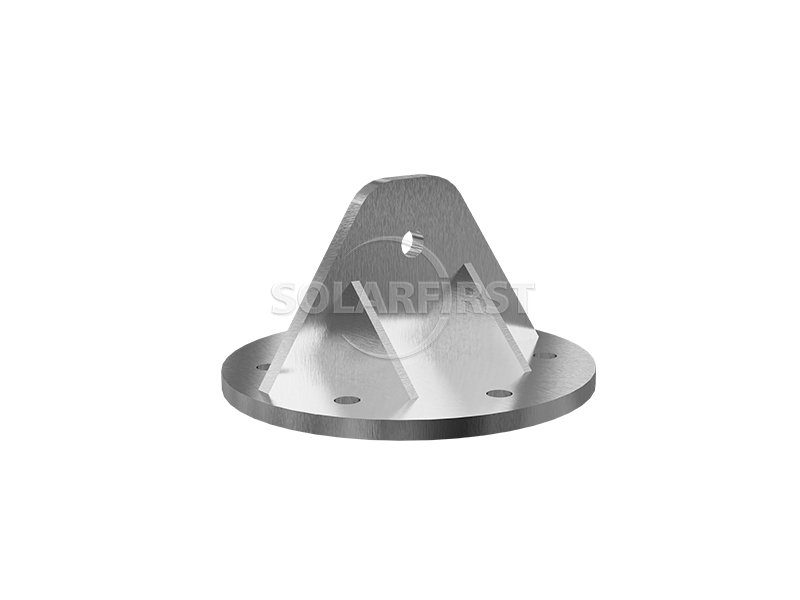
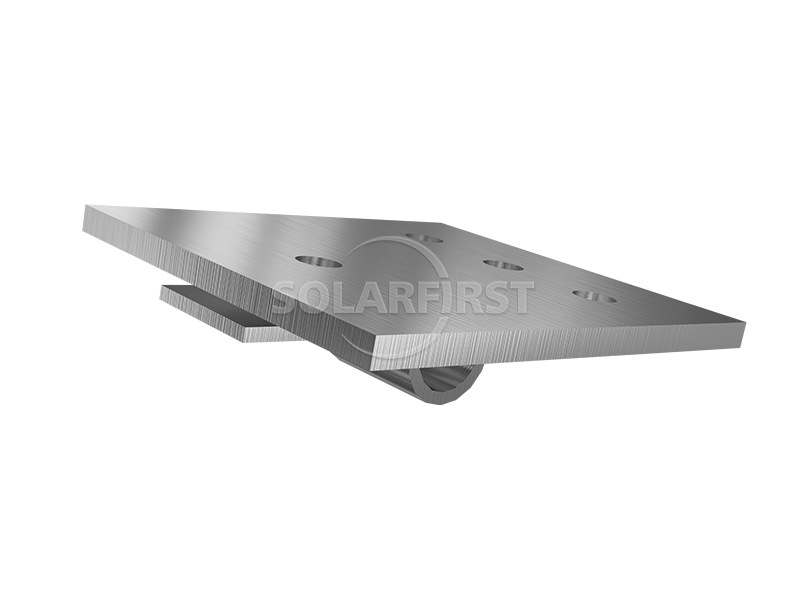
Product Components
Advantage
▶ Relatively Less Foundation Required:
For the same capacity, the number of foundations may be reduced by approximately 55% compared to conventional fixed supports (the exact number depends on the layout and terrain).
▶ Large Span and High Clearance:
Provides ample space for agricultural planting, aquaculture, or equipment passage below.
▶ Strong Terrain Adaptability:
Adaptable to mountains, hills, plains, deserts, and coastal areas.
▶ Excellent Wind Resistance:
The double-layer cable truss structure helps improve overall rigidity; the system is equipped with north-south stabilizing tie rods and wind-resistant cables, further enhancing stability.
▶ Diverse Corrosion Protection Options:
Hot-dip galvanized, zinc-aluminum-magnesium, and steel strands with different zinc layer weights can be selected according to the environmental corrosion level.
▶ Cost-Effectiveness:
Initial investment may be higher than conventional supports, but considering long-term stability and land utilization efficiency, it may offer better cost-effectiveness.
Parameters
| Base Type | PHC/Cast-in-place Pile |
| Module Array | Landscape/Portrait |
| Module Fixation | Bolts/Clamps |
| Angle | ≤20°(customizable) |
| Environment Temperature | -20°C-60°C |
| Material | Q235B/Q355B/Q420/etc. |
| Steel Strand | High strength low relaxation prestressed galvanized steel strand |
| Anchorage Device | Squeeze anchor/Clip anchor (with locking device) |
| Coating |
Fastener galvanized >45 μm; Structure galvanized >65 μm; Zinc aluminum magnesium double-sided weight >275g/m; Weight of zinc layer per unit area of steel strand: 190g/m~350g/m. |
Applicable Scenarios
▪ Wastewater treatment plant (utilizes the space above the water tank, minimizing disruption to operation and maintenance)
▪ Agricultural-solar hybrid (high headroom and large span, facilitating machinery access and natural lighting)
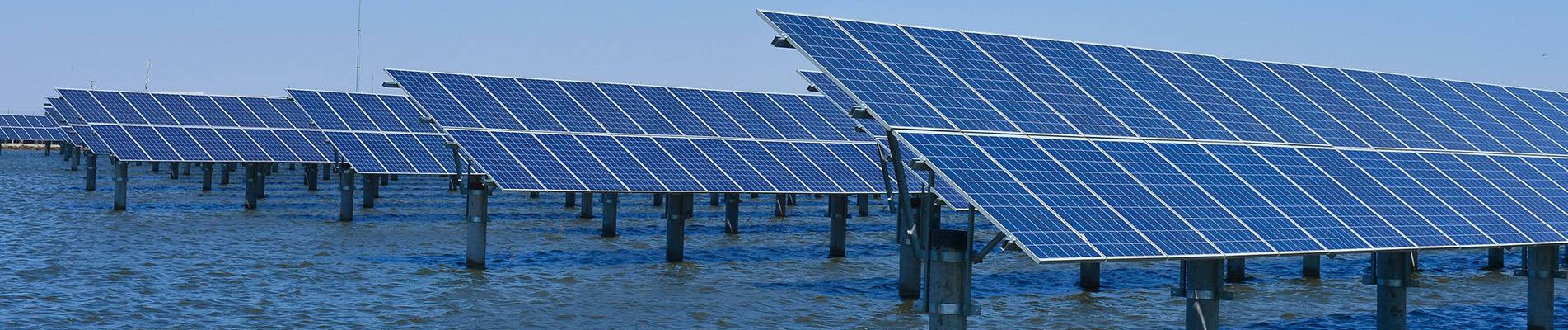
▪ Aquaculture-solar hybrid (minimizes water area coverage, leaving space for aquaculture)
▪ Mountainous/hilly areas (fewer foundations, reducing excavation)
▪ Plains/deserts/coastal areas (corrosion protection and wind resistance solutions can be matched and selected)
▪ Projects in high-wind environments or with strict deformation requirements
Important Notes:
▶ High construction precision requirements:
Tensioning and anchoring must be performed according to the design prestress value. It is recommended that this be done by personnel experienced in flexible scaffolding.
▶ Regular inspection of component fasteners:
Bolts and clamps may loosen under wind vibration; this should be included in the maintenance plan.
▶ Corrosion protection selection should match the environment:
In high-humidity, high-salt-spray coastal areas, it is recommended to use higher zinc coatings or zinc-aluminum-magnesium alloys.
▶ Consider component stress consistency for large spans:
Assess the impact of cable deformation on the frame; add intermediate supports or adjust the tensioning scheme if necessary.
▶ Limited angle customization:
Fixed angles are generally ≤20°; angles exceeding this require separate evaluation.
Selection Recommendations (Single-Layer vs. Double-Layer)
▪ Single-Layer Flexible Structure: Suitable for projects with low span requirements and light wind loads.
▪ Double-Layer Flexible Structure: More suitable for projects with higher requirements for stability, wind resistance, and utilization of the underlying space.
▪ A detailed site survey, wind tunnel test data verification, and a full life-cycle cost-benefit analysis should be conducted before making a decision.
Certifications and Safety Records
Solar First prestressed suspension systems have passed CPP and RWDI wind tunnel testing certifications. Test results show that under specific design conditions, they can withstand wind loads equivalent to relatively high wind speeds (such as a Category 15 typhoon). Actual wind resistance needs to be determined comprehensively based on the wind pressure, terrain, and construction quality of the project site.
The company has a professional R&D team and laboratory to continuously optimize product structural performance.
Summary
Double-layer cable-stayed flexible photovoltaic (PV) supports offer a viable solution for reducing foundation requirements while achieving larger spans and higher clearances. Their double-layer cable truss structure contributes to wind resistance stiffness and deformation control, but also imposes more detailed requirements on design, installation, and operation and maintenance. The product is suitable for diverse terrains, exhibiting particularly distinctive structural features in mixed-use projects involving land or water. Users should conduct a comprehensive assessment considering specific terrain, span, clearance, corrosion resistance requirements, and construction capabilities, avoiding the direct application of conventional support systems.
Solar First Project Reference
Related Knowledge Points
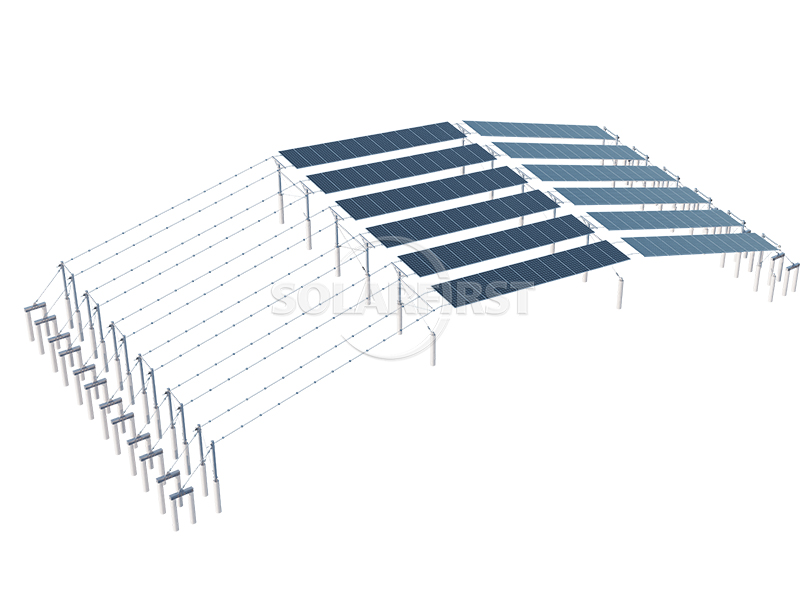
Single-layer cable flexible photovoltaic (PV) support systems are PV module support systems that use prestressed steel strands as the main load-bearing components. Unlike traditional steel supports, they utilize tensioned steel cables instead of rigid beams, forming a stable load-bearing structure through columns and anchoring systems. This product is suitable for PV power plant projects requiring large spans or complex terrain conditions, and has potential in reducing the number of pile foundations and steel consumption.
Read More
The double-layer cable-stayed flexible photovoltaic (PV) support system employs an upper and lower cable truss structure, forming a load-bearing and stabilizing double-layer cable net through prestressed steel strands. This allows for a larger span (typically 30–40 meters) and higher clearance (usually below 8 meters). Compared to conventional fixed supports, the foundation usage may be reduced (data indicates approximately 55%, but actual figures vary depending on the layout), making it suitable for PV projects requiring reduced ground disturbance or improved land utilization. Primarily designed for wastewater treatment plants, agricultural-photovoltaic integration, and fishery-photovoltaic integration, it is adaptable to various terrains including mountains, hills, plains, deserts, and coastal areas.
Read More
 en
en fr
fr de
de zh-CN
zh-CN ru
ru es
es pt
pt ja
ja ko
ko ar
ar