Leave A Message
If you are interested in our products and want to know more details,please leave a message here,we will reply you as soon as we can.


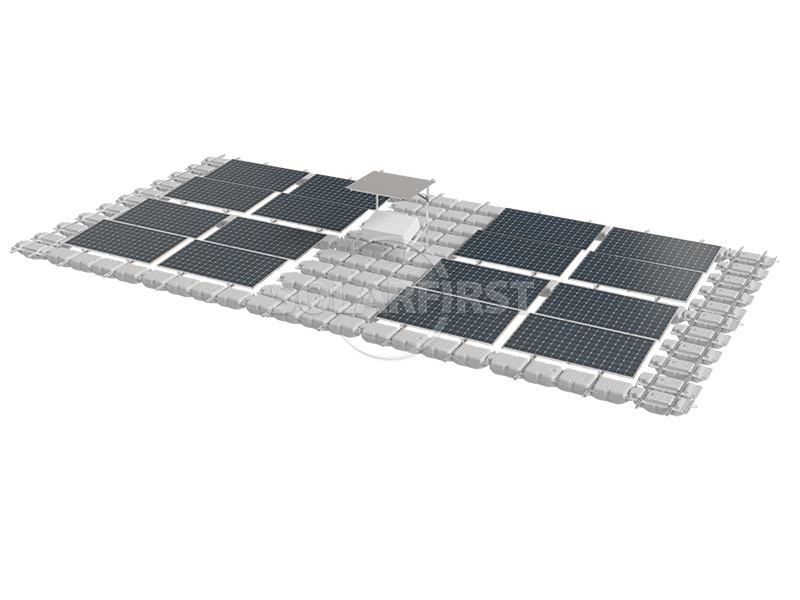
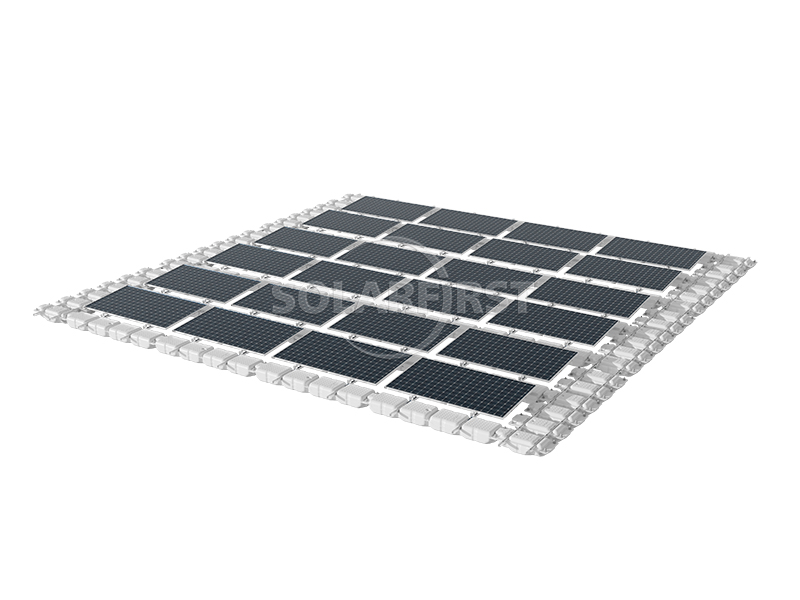
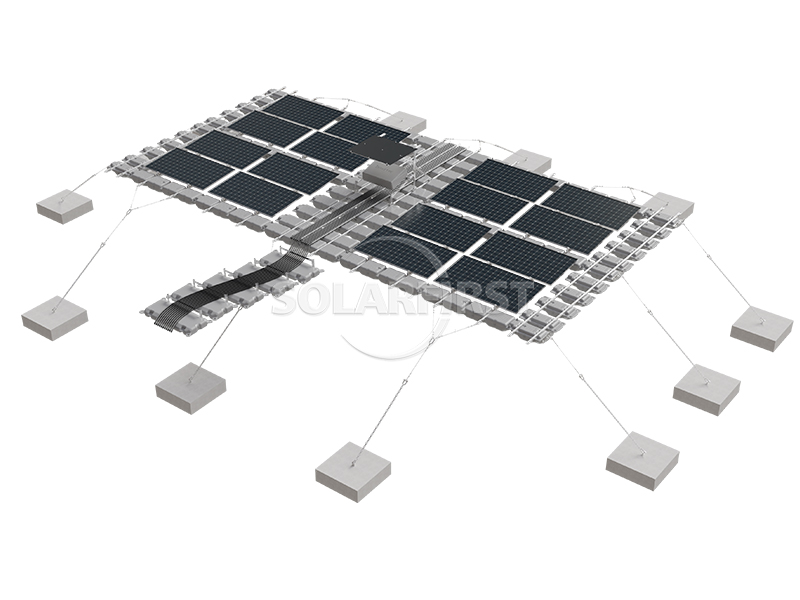
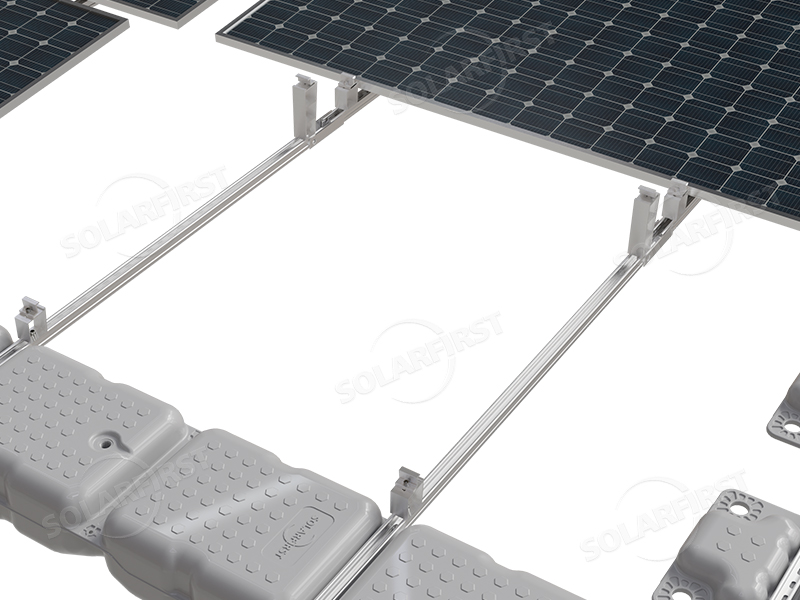
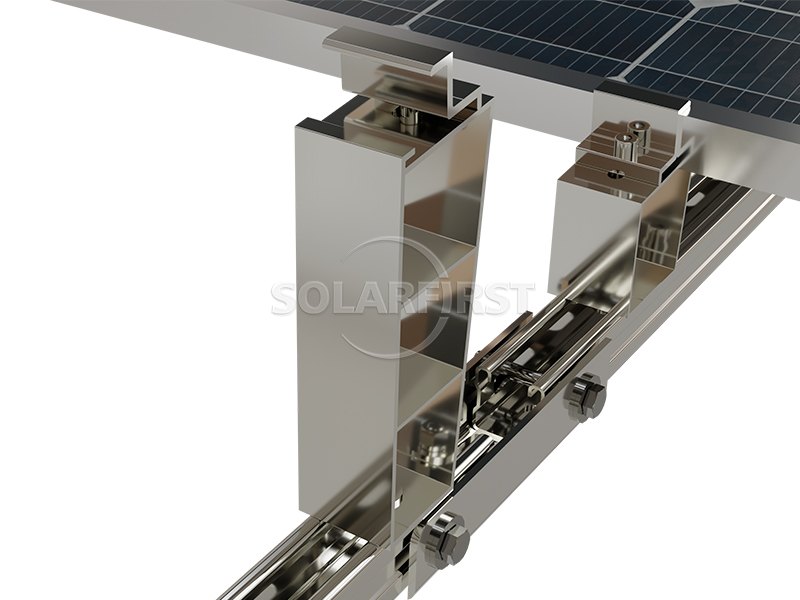
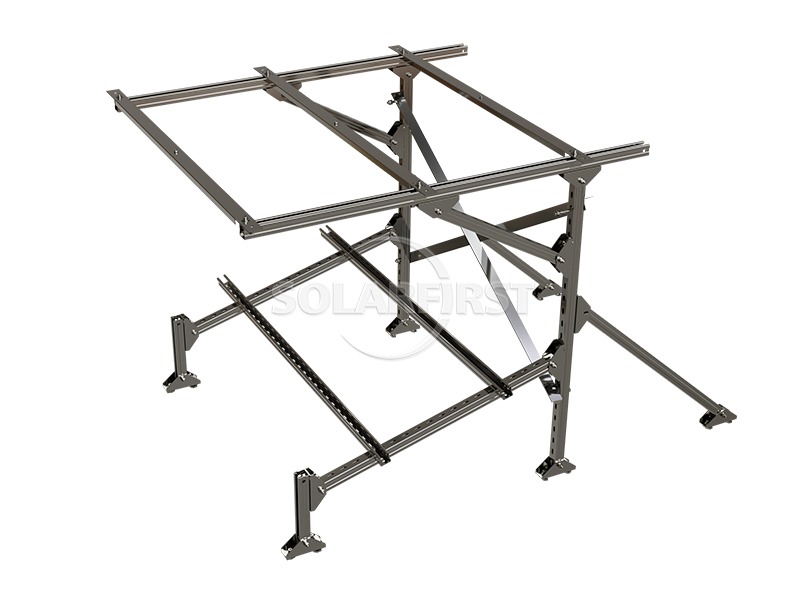
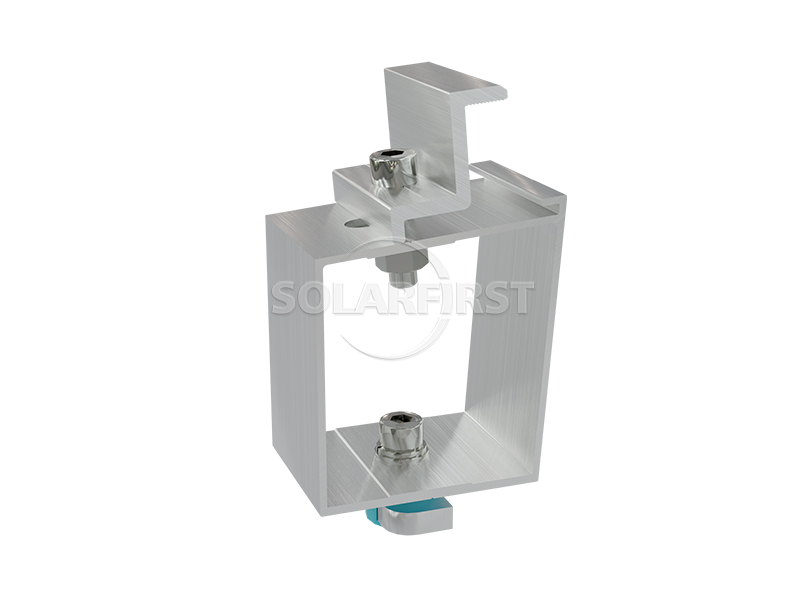
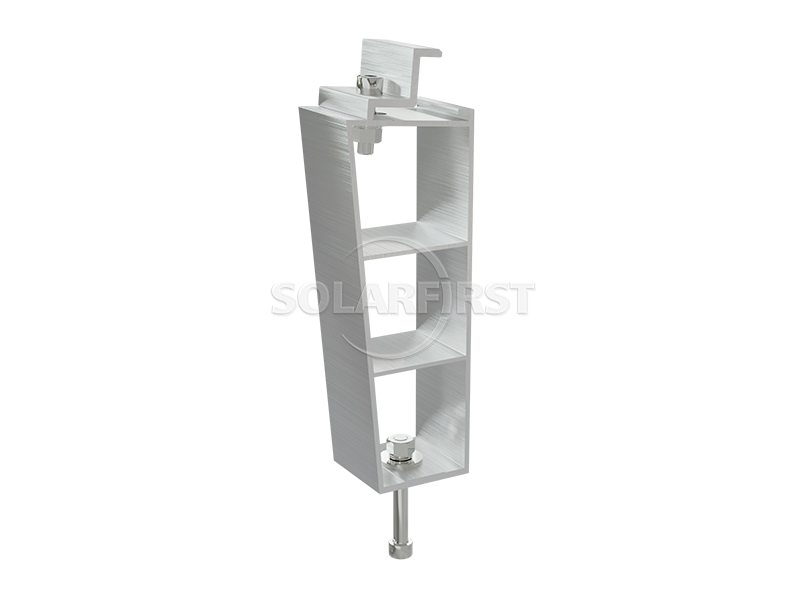
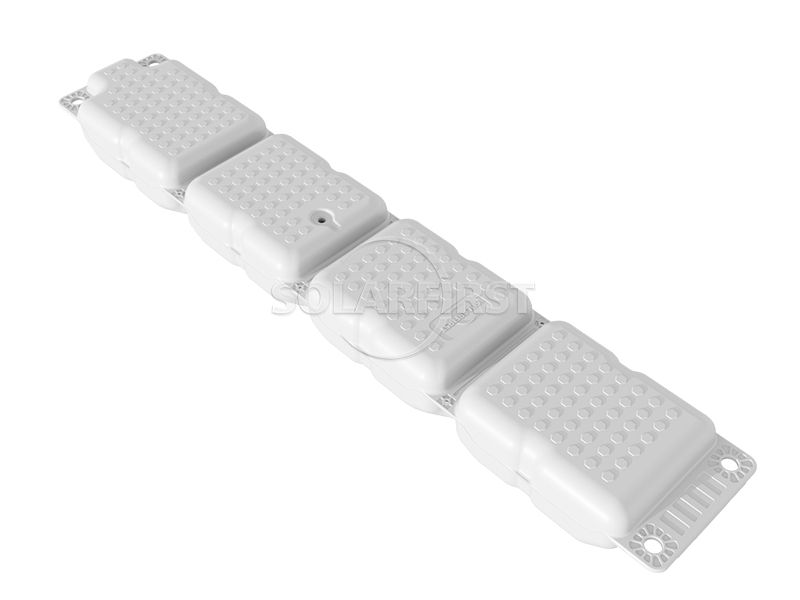
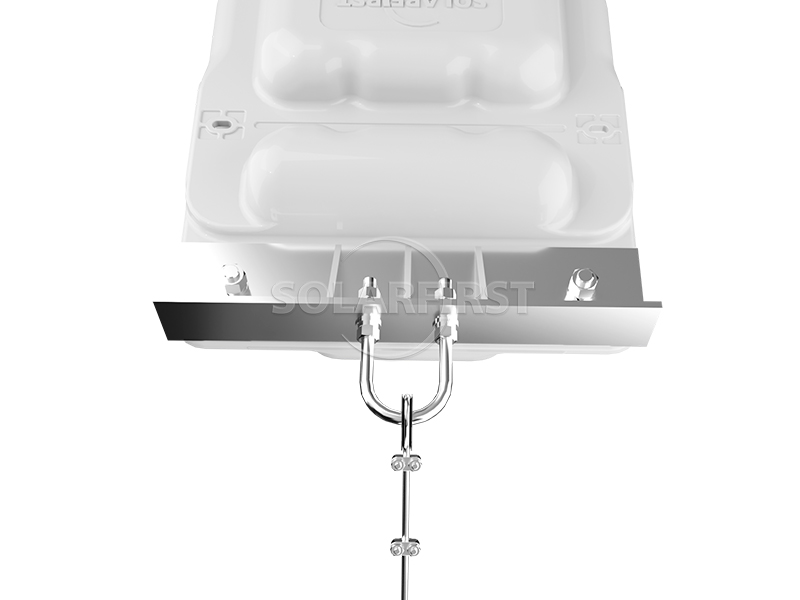
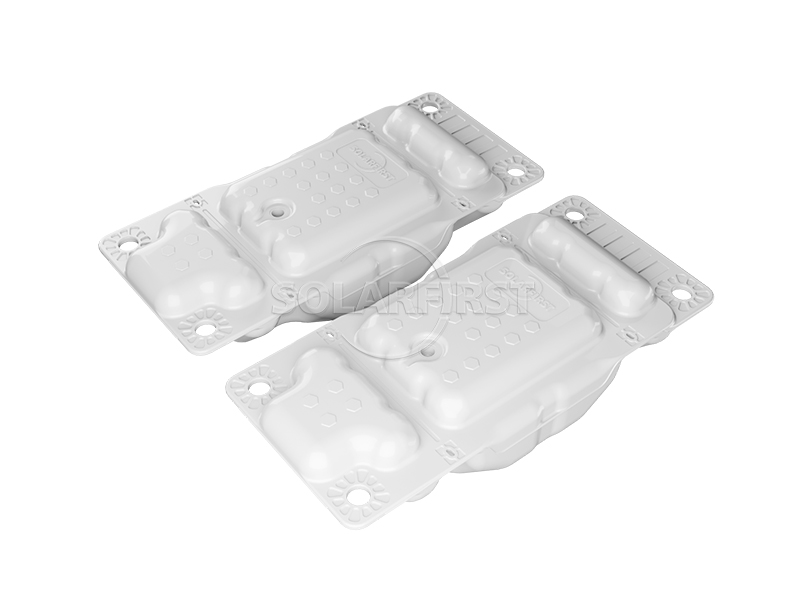
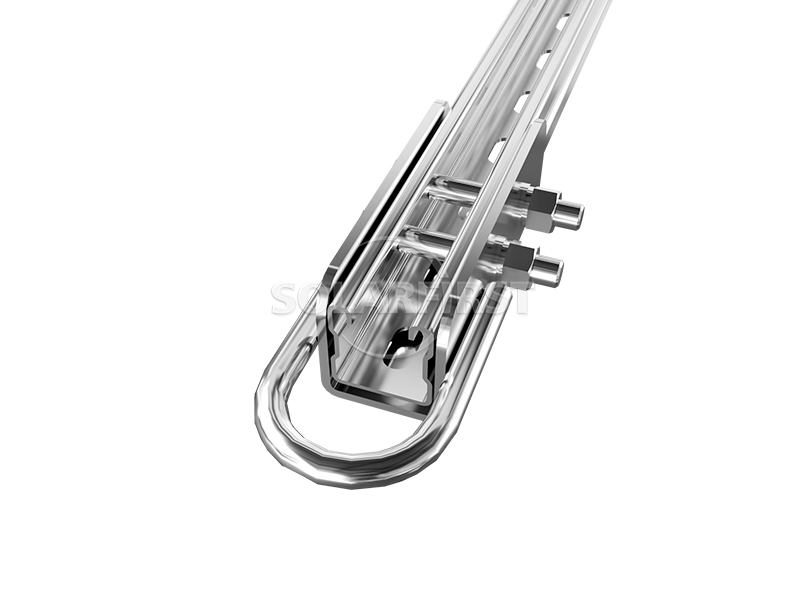
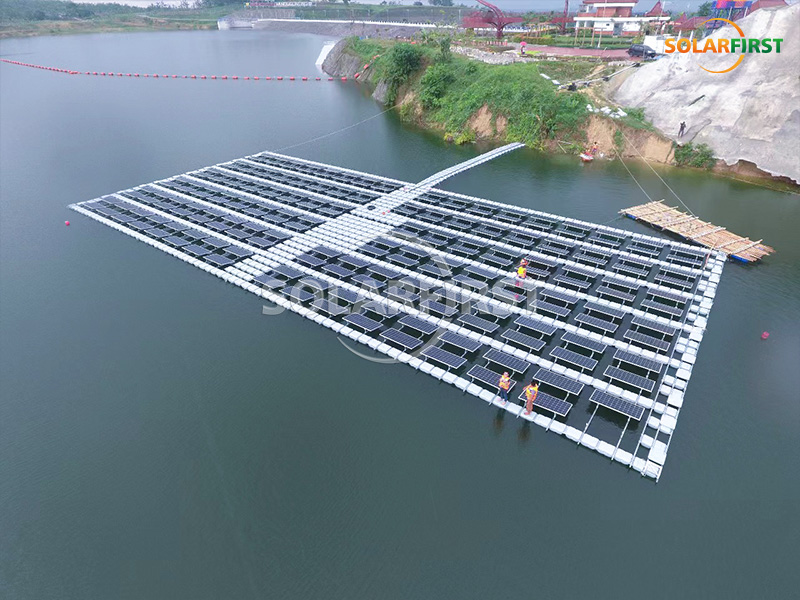
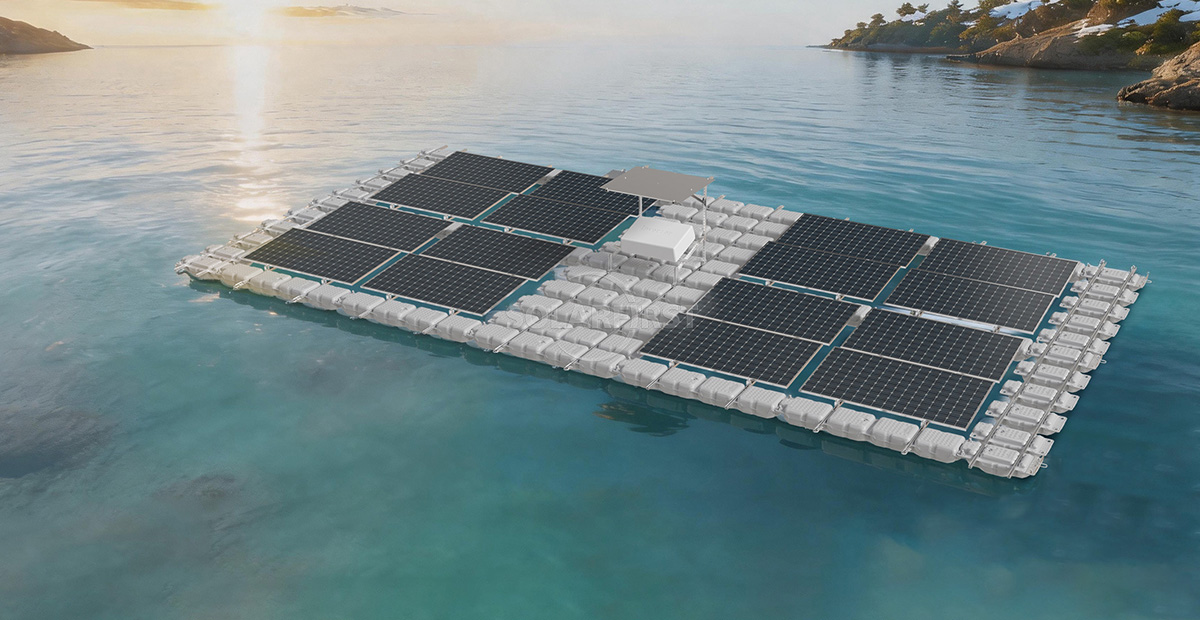
The TGW03 series floating photovoltaic system adopts a combination design of high-density polyethylene (HDPE) floats and adjustable metal supports, making it suitable for lakes, reservoirs, coal mining subsidence areas, and other water bodies. The system supports installation tilt angle adjustment from 0° to 15° and is equipped with hinged connectors and various anchoring solutions (onshore pile anchors, underwater pile anchors, concrete block anchors, etc.), enabling relatively stable operation under different hydrological conditions. The width of the maintenance access channel and the buoyancy per unit area are designed according to safety requirements, facilitating later inspection and maintenance.

Product Description
The TGW03 series floating photovoltaic system is a floating support system suitable for freshwater or slow-flowing nearshore waters. It uses high-density polyethylene (HDPE) floats as the main carrier, combined with metal supports and flexible connectors to form a modularly deployable floating array. The overall system design considers installation efficiency, structural adaptability, and long-term operational safety, enabling the deployment of photovoltaic power generation systems on non-arable water surfaces. The product has undergone multiple third-party performance tests, demonstrating stable load-bearing capacity and wave resistance under design conditions, with an expected service life of no less than 20 years.
Module
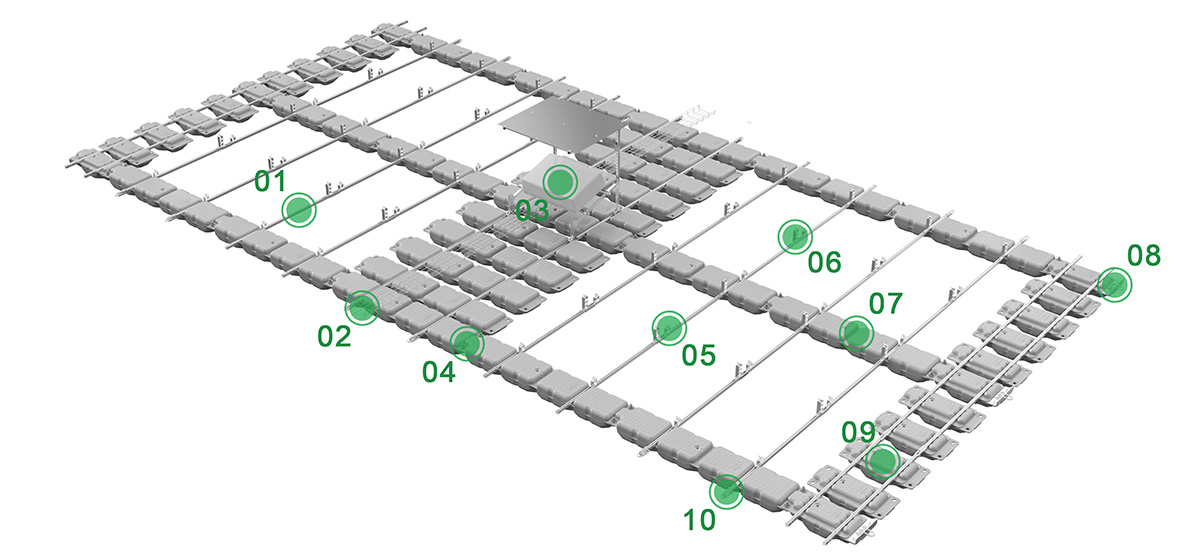
Product Components
Advantage
I. Convenient Construction Features
II. System Adaptability
III. Safety Performance Advantages
IV. Applicable Water Bodies
Parameters
| Installation | Water Surface |
| Anchoring Methods | Onshore pile anchors/underwater pile anchors/concrete block anchors |
| Sueface Wave Height | ≤0.5m |
| Sueface Flow Rate | ≤0.5m/s |
| Wind Load | up to 60m/s |
| Snow Load | 0.5kn/m² |
| Tilt Angle | 5°, 10°, 15° |
| Standards | GB50009-2012, EN1990: 2002, ASCE7-05/ASCE7-10, AS/NZS1170, JIS C8955: 2017 |
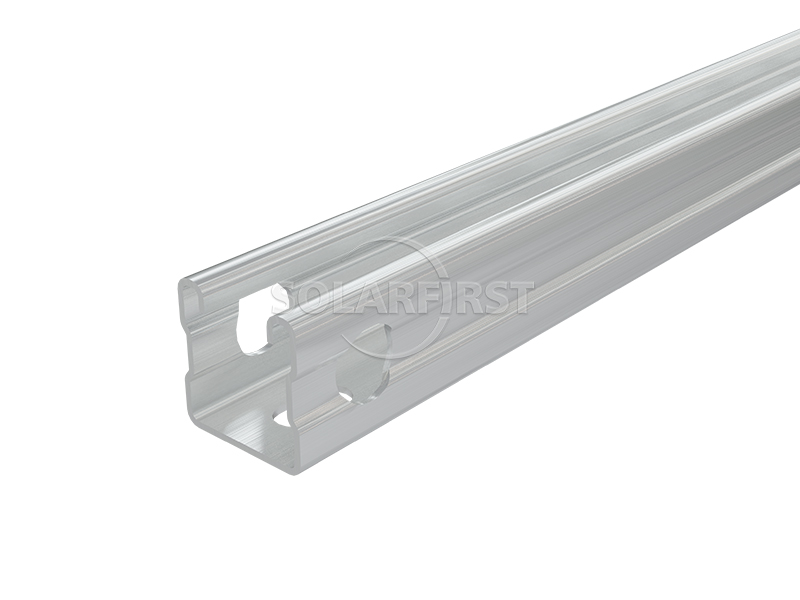
| Material | HDPE, Anodized Aluminum AL6005-T5, Stainless Steel SUS304, Zn-Al-Mg Coated Steel |
| Warranty | 10 Years Warranty |
Applicable Scenarios
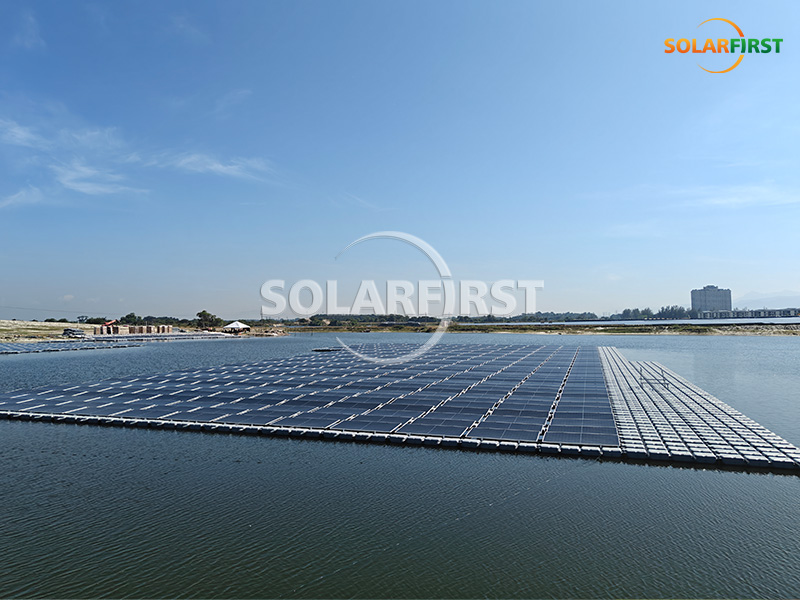
▪ Reservoirs and lakes: Water areas that are not navigable or designated as drinking water source protection zones, suitable for implementing fish-solar hybrid or pure photovoltaic power generation systems.
▪ Slow-flowing rivers and channels: River sections with low flow velocity and relatively stable water levels.
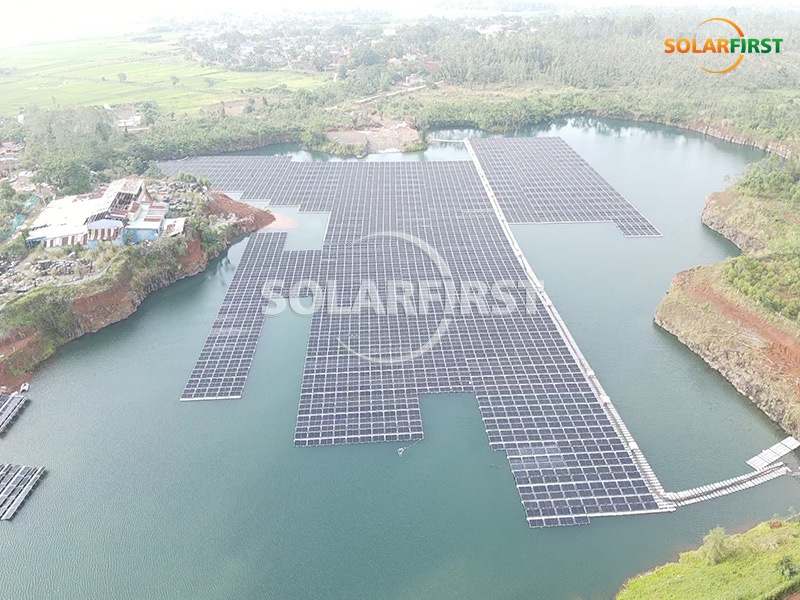
▪ Mining subsidence areas: Abandoned mine pits with accumulated water, where land resources that are difficult to reclaim can be effectively utilized.
▪ Wastewater treatment plants and aquaculture ponds: Where the function of the water body does not conflict with the overall purpose of the water body, allowing for multi-functional space utilization.
Important Notes:
▶ Preliminary Survey Requirements:
A detailed survey of the water depth, water level fluctuations, maximum wind speed, maximum wave height, ice load (if applicable), and water corrosivity is required. This data will serve as input for anchoring and floating body design.
▶ Anchoring Design Requires Special Assessment:
The anchoring method and mooring scheme should be designed by an experienced technical unit based on geological and hydrological conditions to avoid system drift or collision due to anchoring failure.
▶ Anti-Biofouling Measures:
Long-term operation in warm waters may face biofouling such as algae and shellfish. It is recommended to assess whether additional antifouling coatings or regular cleaning are necessary based on water quality conditions.
▶ Regular Inspection and Maintenance:
This includes checking the integrity of the floating body, the tightness of connectors, anchor cable wear, and electrical wiring insulation. A quarterly or annual maintenance plan is recommended.
▶ Extreme Weather Response:
In areas prone to extreme weather events such as typhoons, strong convection, and extreme cold/freezing, the system's safety under extreme loads should be assessed. Temporary reinforcement or component tilt adjustments may be necessary.
▶ Ecological and environmental impact:
Floating photovoltaic systems may affect underwater illumination and dissolved oxygen. It is recommended to conduct an ecological impact assessment in advance in environmentally sensitive waters and to set up light-transmitting areas or oxygenation equipment as required.
Summary
Floating photovoltaic (PV) systems offer a technological solution that combines photovoltaic power generation with aquatic space. Based on a modular floating structure, this product incorporates adjustable supports, hinged connectors, and various anchoring methods, with targeted designs for ease of installation, system adaptability, and structural safety. Third-party testing has verified its good wind resistance and long-term operational potential under typical operating conditions. It is suitable for various non-navigable waterways such as lakes, reservoirs, and coal mining subsidence areas. However, in practical engineering applications, customized design and regular maintenance based on specific hydrological, geological, and meteorological conditions are necessary to ensure the system's stability and safety throughout its entire lifecycle.
Solar First Project Reference
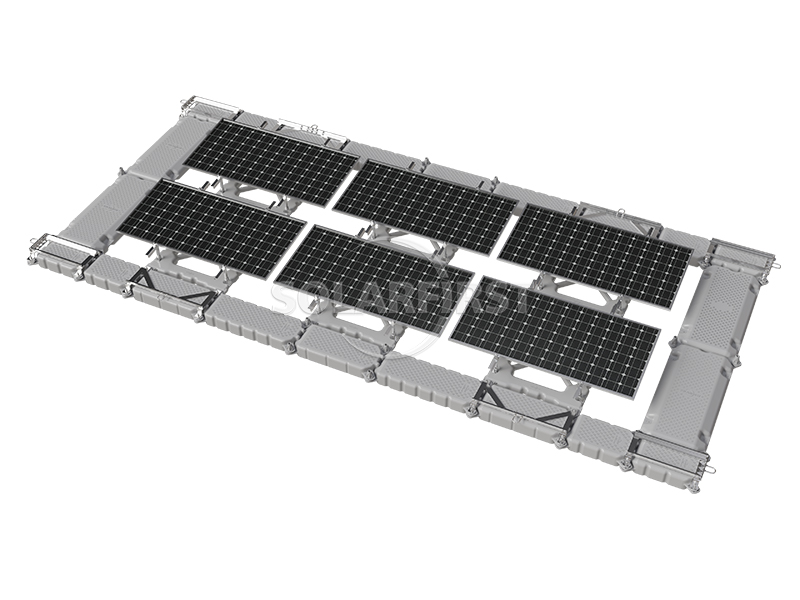
The TGW02 series floating photovoltaic mounting system is primarily designed for floating photovoltaic power station applications, using a modular floating structure to support photovoltaic modules. The system's design balances installation efficiency with adaptability to different water environments, making it suitable for lakes, reservoirs, mines, and some near-shore areas. Its overall flexible connection helps mitigate the impact of water surface fluctuations on the structure, providing a feasible floating solution for photovoltaic projects of varying sizes.
Read More
The TGW03 series floating photovoltaic system adopts a combination design of high-density polyethylene (HDPE) floats and adjustable metal supports, making it suitable for lakes, reservoirs, coal mining subsidence areas, and other water bodies. The system supports installation tilt angle adjustment from 0° to 15° and is equipped with hinged connectors and various anchoring solutions (onshore pile anchors, underwater pile anchors, concrete block anchors, etc.), enabling relatively stable operation under different hydrological conditions. The width of the maintenance access channel and the buoyancy per unit area are designed according to safety requirements, facilitating later inspection and maintenance.
Read More
 en
en fr
fr de
de zh-CN
zh-CN ru
ru es
es pt
pt ja
ja ko
ko ar
ar