Leave A Message
If you are interested in our products and want to know more details,please leave a message here,we will reply you as soon as we can.


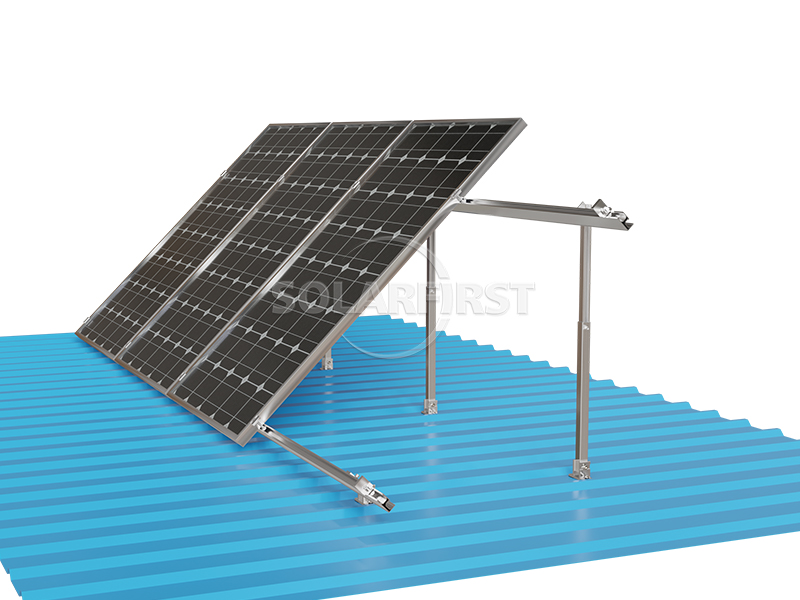
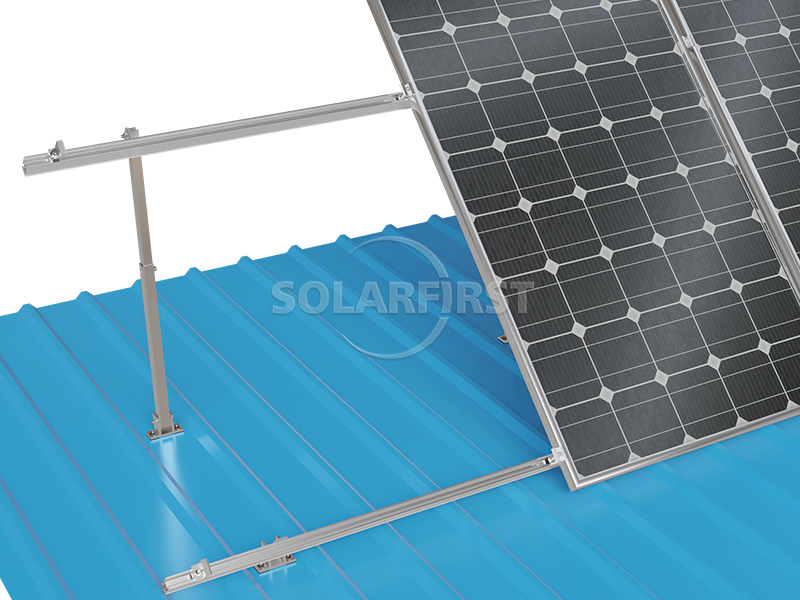
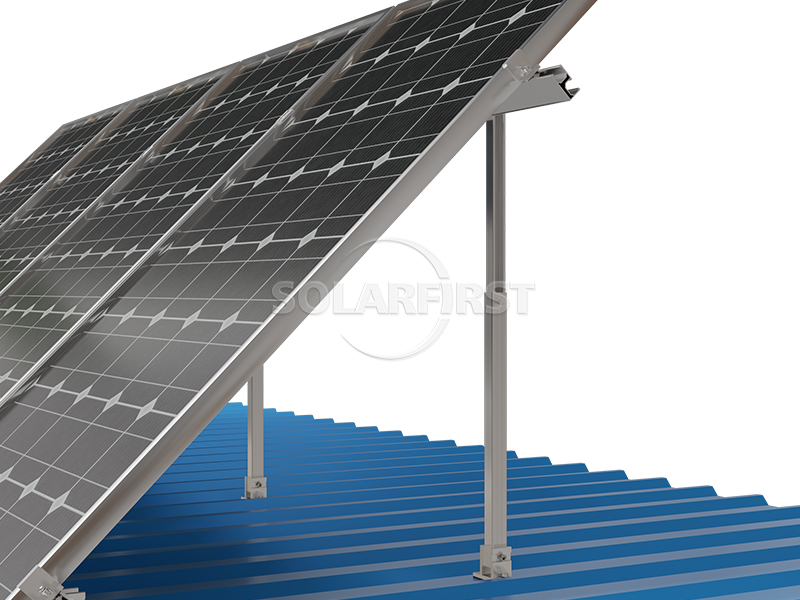
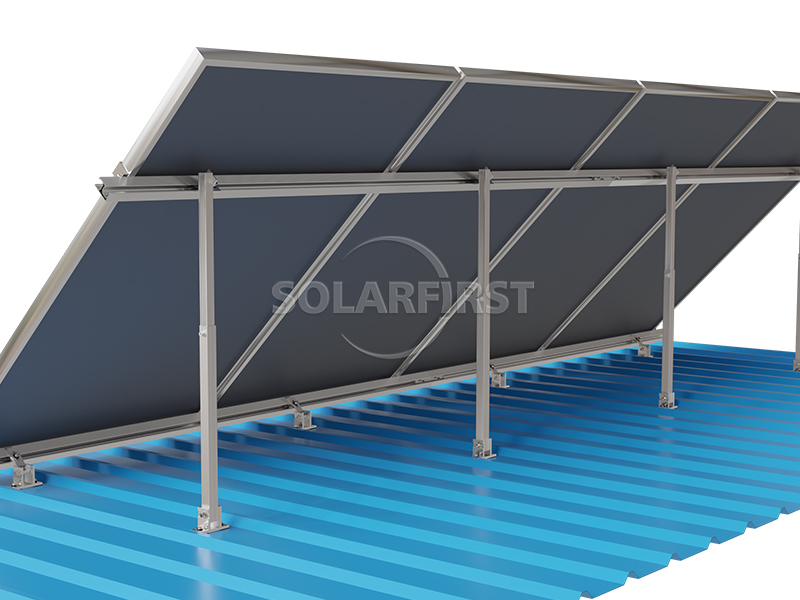
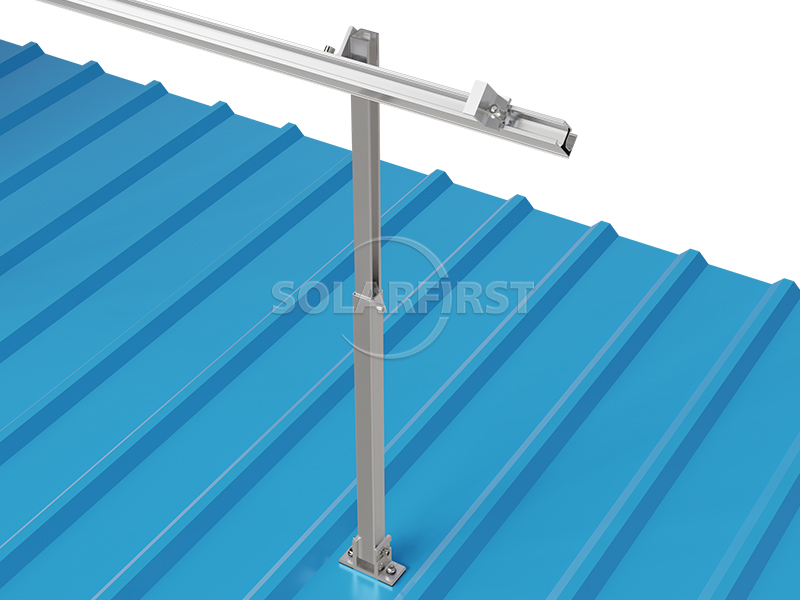
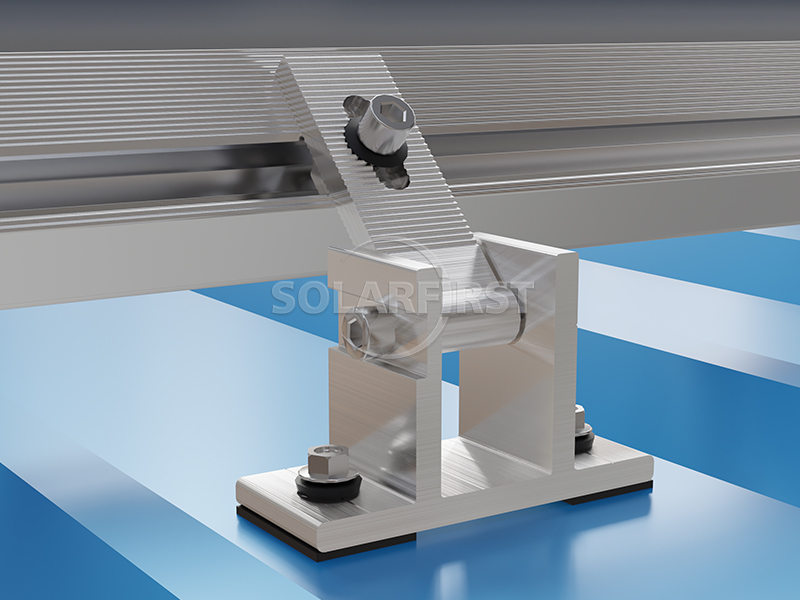
The adjustable front and rear leg solar mounting bracket is a solar panel mounting system specifically designed for installation on metal corrugated steel roofs. Its name comes from its unique front and rear support structure design, by adjusting the height difference between the front and rear legs, the tilt angle of the photovoltaic panels can be varied to adapt to different regional sunlight conditions, roof slopes, and load-bearing requirements.
Color :
Natural silver/ black(Colored according to customer requirements)Certification :
ISO,SGS,CEMaterial :
Anodized Aluminum 6005 T5, Stainless Steel 304Product Origin :
Tianjin, FujianShipping Port :
Shanghai, Ningbo, Tianjin, Xiamen, Shenzhen ports
Product Description
The adjustable legs for corrugated steel roof photovoltaic systems are a solar module support system specifically designed for metal corrugated steel roofs. Its core feature is the adjustable height of the front and rear support legs, allowing for flexible adjustment of the photovoltaic module installation tilt angles (typically 10°~15°, 15°~30°, 30°~60°) to adapt to varying solar radiation conditions, roof slopes, and load-bearing requirements in different latitude regions.
The product uses high-strength aluminum alloy and stainless steel fasteners. The adjustable legs are fix to purlin under metal roof. It is widely used in distributed photovoltaic power stations on corrugated steel roofs of industrial plants, warehousing and logistics parks, and commercial buildings.
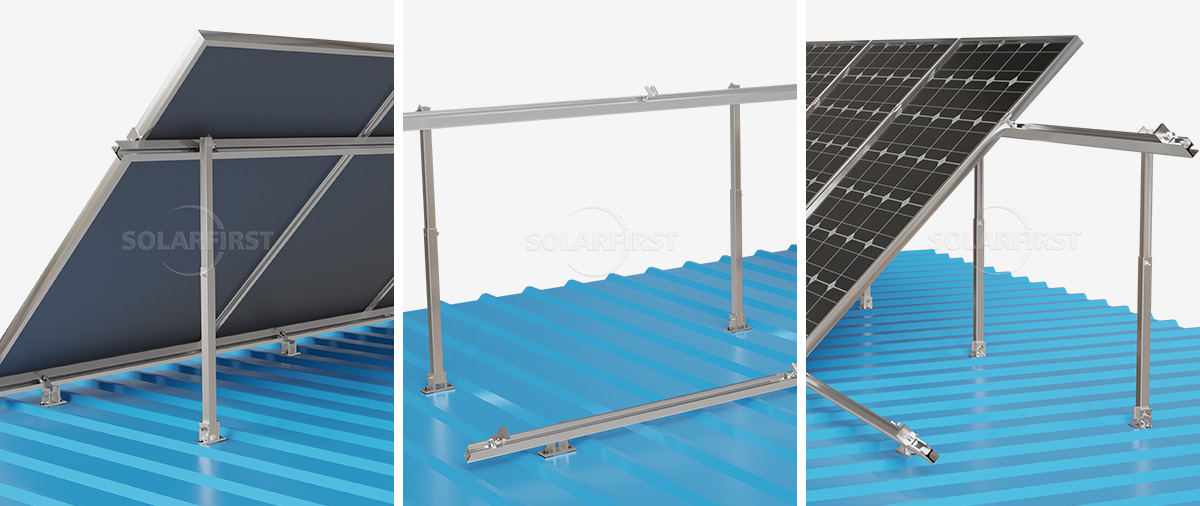
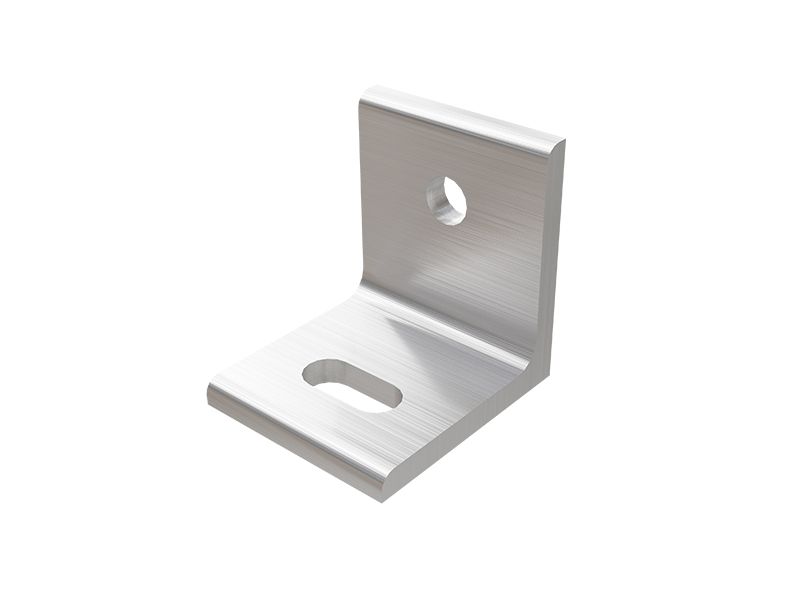
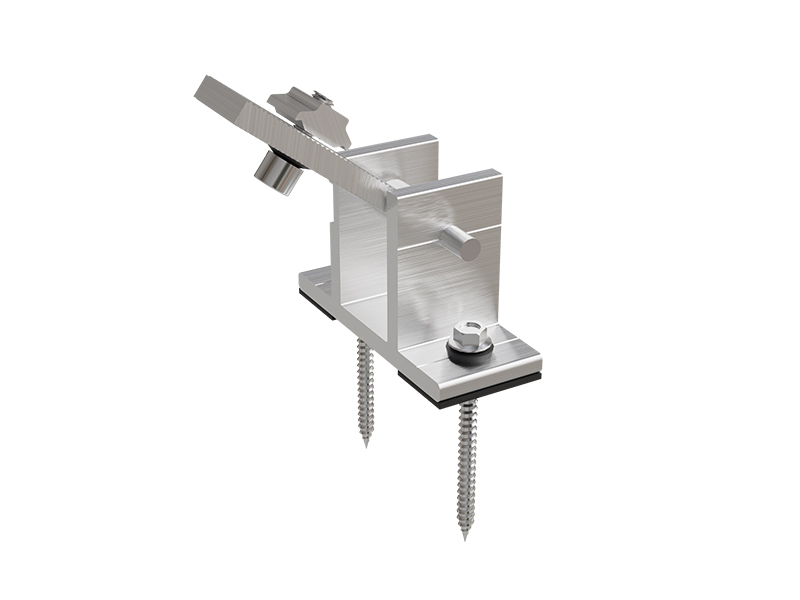
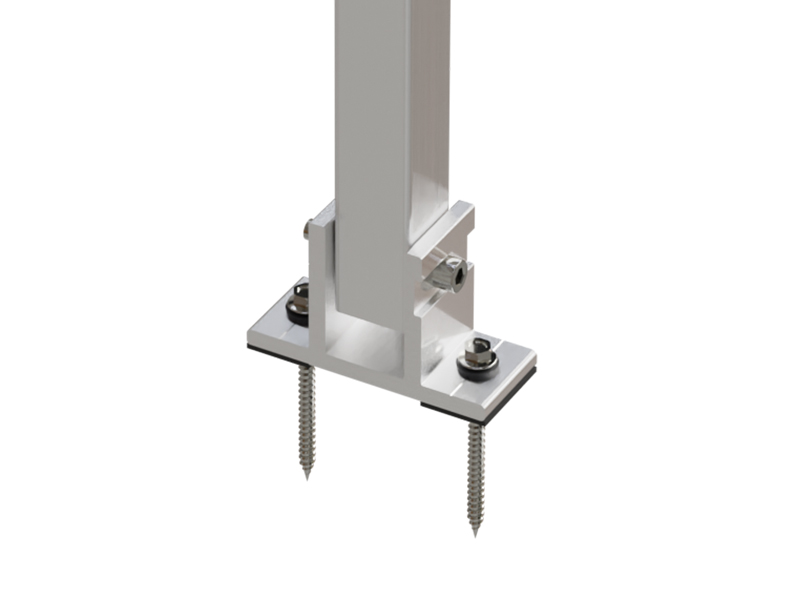
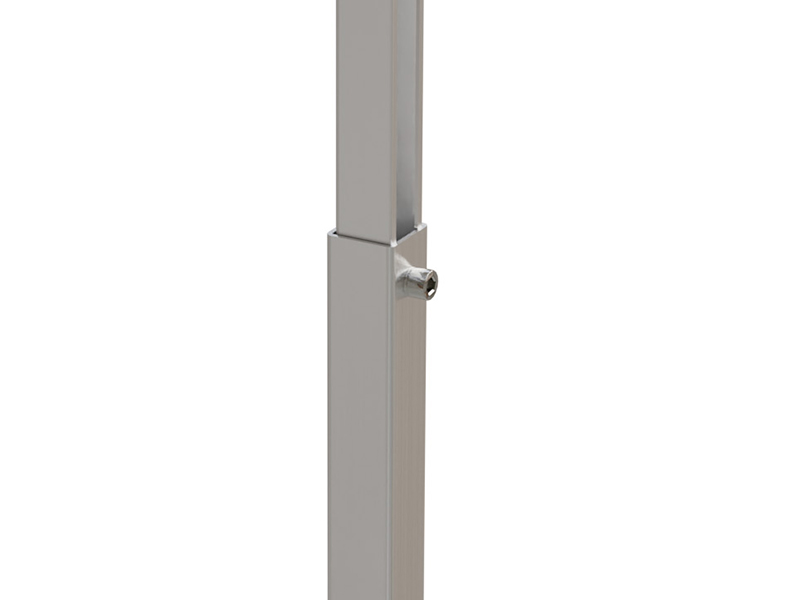
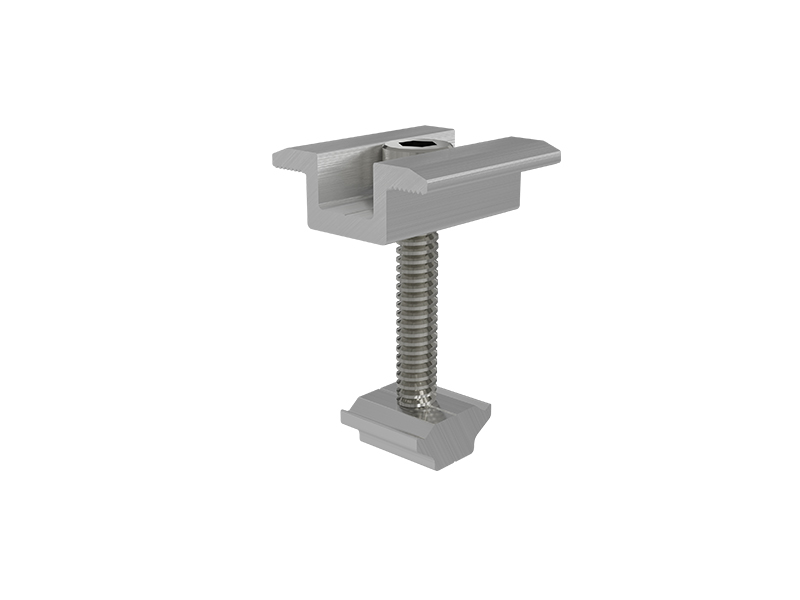
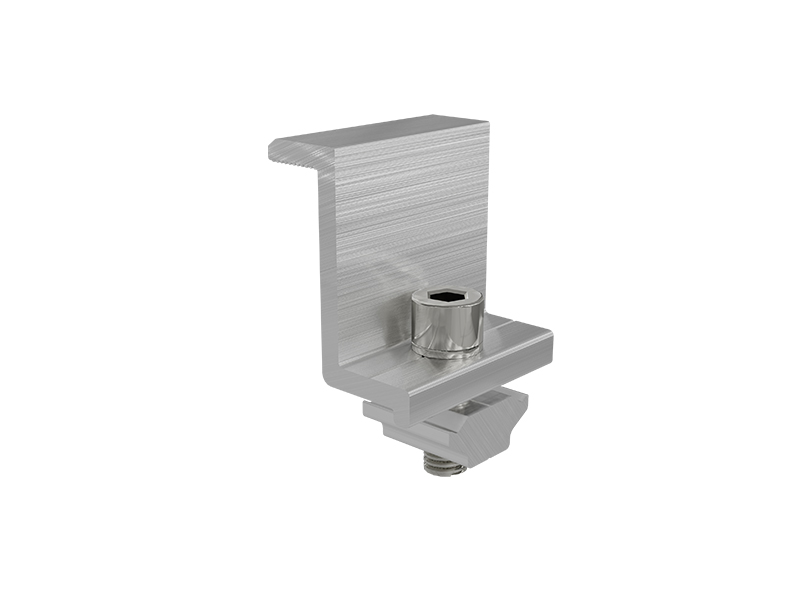
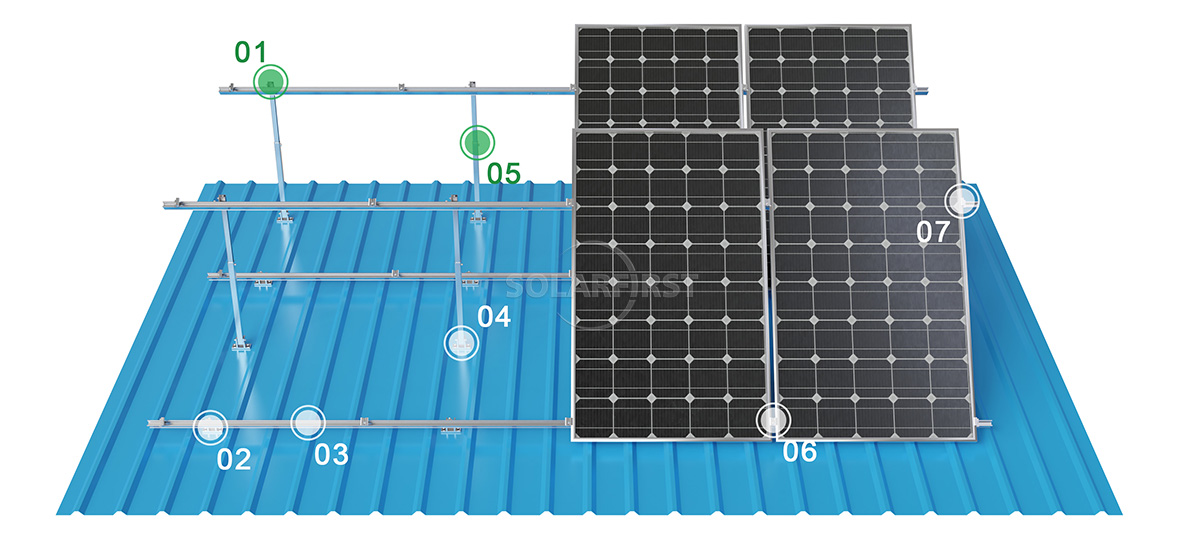
Product Components
Advantages
Parameters
| Installation | Metal Roof |
| Wind Load | up to 60m/s |
| Snow Load | 1.4kn/m² |
| Tilt Angle | 10°~15°、15°~30°、30°~60° |
| Component Orientation | Horizontal/vertical, flexible arrangement |
| Applicable components | Compatible with framed and frameless photovoltaic modules |
| Standards | GB50009-2012, EN1990:2002, ASCE7-05, AS/NZS1170, JIS C8955:2017, GB50429-2007 |
| Material | Anodized Aluminum AL6005-T5, Stainless Steel SUS304 |
| Warranty | 10 Years Warranty |
Applicable Scenarios
▶ Industrial plants
Photovoltaic power stations on corrugated steel roofs in industrial rooftop.
▶ Logistics and warehousing parks
Large-area, gently sloping corrugated steel roofs, suitable for large-scale array deployment.
▶ Commercial buildings
Self-consumption or grid-connected power generation projects on corrugated steel roofs in shopping malls, supermarkets, cold storage facilities, etc.
Characteristics
▶ Adjustable Height and Tilt Angle
This is the core advantage of adjustable legs. By adjusting the height difference between the front and rear legs, the installation tilt angle of the photovoltaic modules can be flexibly changed. Common adjustment angle ranges include:
Angle ranges: 10°~15°、15°~30°、30°~60°.
The tilt angle can be adjusted according to seasonal changes to match variations in solar altitude, thereby improving the power generation efficiency of the photovoltaic system.
▶ No-Perforation Installation Design
Adjustable legs mounting solution are generally fixed on trapezoid metal roof and drill in to purlins under roof by screws. It also can be installed on other roof clamps (e.g. klip lok) that don't need to drill through roof, to eliminates the risk of roof leaks, ensuring the integrity of the waterproof layer.
▶ Highly Pre-assembled and Modular Design
The adjustable legs and module clamps are pre-assembled before delivery. Construction workers only need to perform simple assembly and fix on the roof. This significantly reduces on-site construction time and labor costs.
▶ High Strength and Corrosion Resistance
The main body of the brackets is mostly made of 6005-T5 grade aluminum alloy, with an anodized surface treatment, providing excellent corrosion resistance and ensuring a service life of over 25 years.
Important Notes:
▶ Roof Load Capacity Verification
Before installation, a structural engineer must verify the load-bearing capacity of the corrugated steel roof purlins and panels to prevent overloading that could lead to deformation or collapse.
▶ Roof Type Matching Confirmation
Clamps must be selected to perfectly match the specific dimensions of the rib, rib interval, purlin distance under roof of the corrugated steel roof on site; otherwise, unstable clamping can cause safety hazards.
▶ Tilting Angle Setting Should Be Site-Specific
The adjustable tilt angle should be determined based on a comprehensive calculation of local latitude, annual radiation, and wind pressure conditions; a larger angle is not necessarily better. Excessively high tilt angles will significantly increase wind load.
▶ Tightening Torque Control
All stainless steel bolt connections must be tightened to the design value using a torque wrench. The torque should be checked before installation to prevent loosening or overtightening that could damage the threads.
▶ Regular Inspection and Maintenance
It is recommended to check the clamp tightness and the front and rear adjusting bolts for looseness every season and after each strong wind or heavy snowfall, and tighten them promptly.
▶ Electrical Safety Distance
Solar module and cable wiring must maintain a safe distance from any potential smoke exhaust windows, vents, lightning protection strips, etc., on the roof, and proper grounding connections must be ensured.
Summary
The adjustable legs mounting solution for corrugated metal roofs is a professional PV racking system integrating adjustable tilt angle, high weather resistance, and quick construction.
It achieves flexible angle optimization through adjusting the front and rear legs, combined with specialized clamps and a high-strength aluminum alloy structure, significantly improving power generation efficiency. This product is compatible with various mainstream corrugated metal roof types and is widely used in distributed PV scenarios such as industrial plants and warehousing, and logistics rooftop.
When selecting an adjustable range, it is necessary to choose a suitable product based on the roof tile type, local latitude, and load-bearing capacity parameters. With its design life of over 20 years and excellent wind and snow resistance, it has become the preferred bracket solution for corrugated metal roof PV power stations.
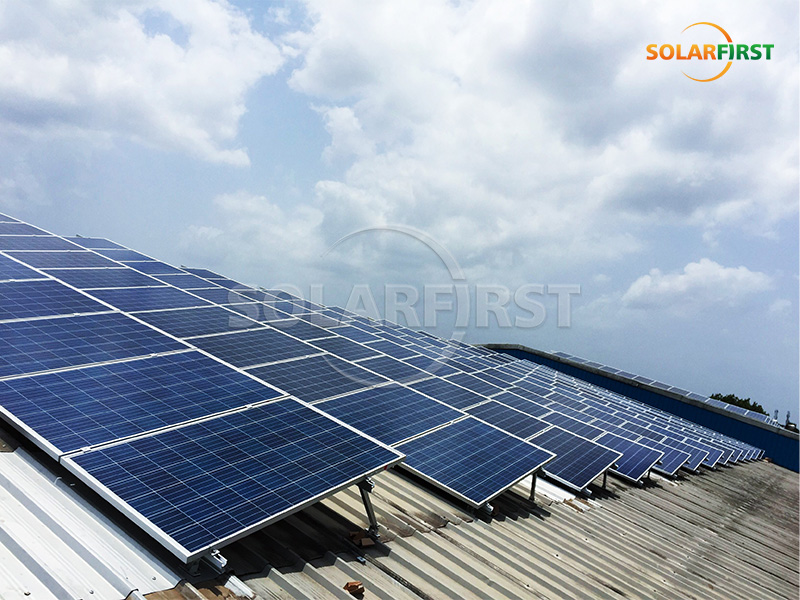
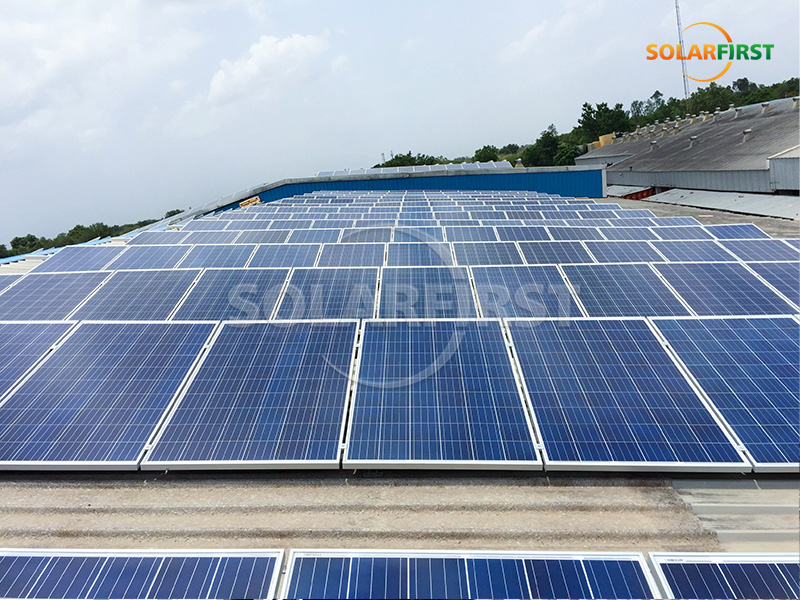
Solar First Project Reference
Related Knowledge Points

This product is a photovoltaic (PV) bracket accessory specifically designed for Klip-Lok metal corrugated roofs. It employs a non-penetrating clamping design, eliminating the need for drilling into the roof surface. The clamps secure themselves to the Klip-Lok rib of the roof ridge, providing a reliable connection point for rails and PV modules. This design avoids damage to the roof panels caused by drilling, effectively reducing the risk of roof leaks, and is particularly suitable for commercial and industrial roofs with high waterproofing requirements.
Read More
The "L" shaped roof clamp (often called L-foot, L leg, or L bracket) in a metal roof solar module mounting system is a simple but universal connector for reliably fixing the rails that supports solar modules to the trapezoid metal roof. It has a right angle (L-shape) shape, a lightweight structure, and mainly serves as an anchoring element connecting the upper and lower parts of the structure.
Read More
The standing seam roof clamp is specifically designed for standing seam (or seam lok) metal roofing sheet as a non-penetrating solution. It is fixed to the standing seam of the roof by clamping, allowing the photovoltaic modules to be installed securely without drilling a single hole in the roof.
Read More
The U rail for photovoltaic (PV) mounting on corrugated steel roofs is a solar panel installation solution specifically designed for trapezoid corrugated metal roofs. It is widely used due to its high efficiency and reliability. It is a design that ensures a balance between structural strength and ease of installation.
Read More
The adjustable front and rear leg solar mounting bracket is a solar panel mounting system specifically designed for installation on metal corrugated steel roofs. Its name comes from its unique front and rear support structure design, by adjusting the height difference between the front and rear legs, the tilt angle of the photovoltaic panels can be varied to adapt to different regional sunlight conditions, roof slopes, and load-bearing requirements.
Read More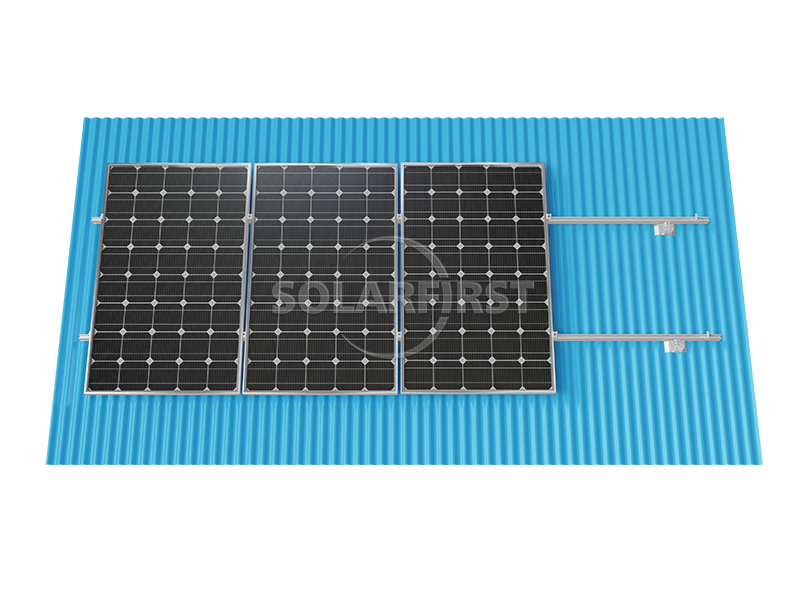
The wave-shaped roof clamp is specifically designed for wavy corrugated metal roofing sheet. Its curved bottom surface conforms to the roof profile, and it works with self-tapping screws to connect to the purlins, ensuring a stable installation for the solar module. Made of aluminum alloy, it is weather-resistant, durable, and easy to install.
Read More
 en
en fr
fr de
de zh-CN
zh-CN ru
ru es
es pt
pt ja
ja ko
ko ar
ar