Leave A Message
If you are interested in our products and want to know more details,please leave a message here,we will reply you as soon as we can.



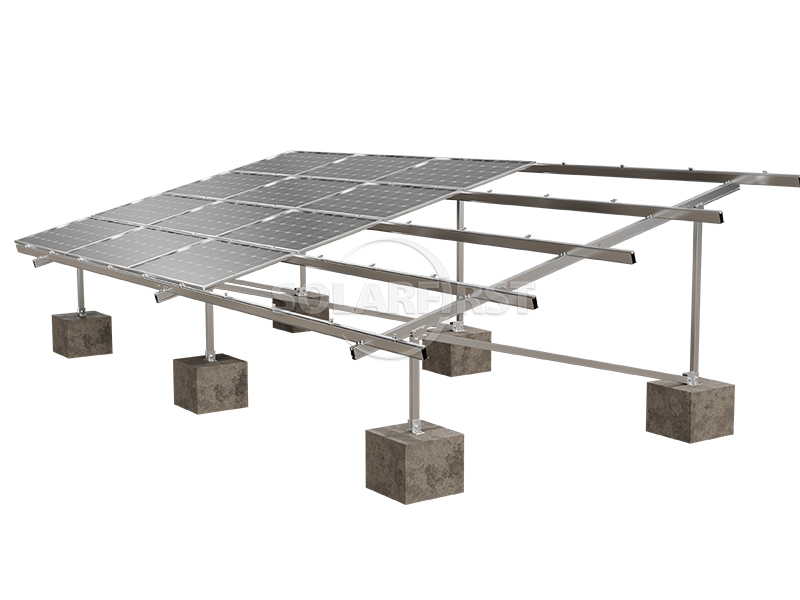
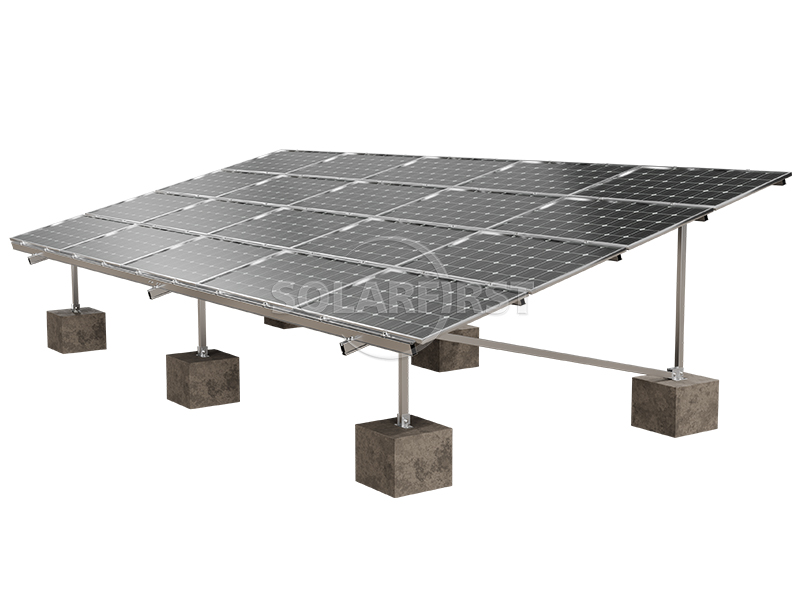
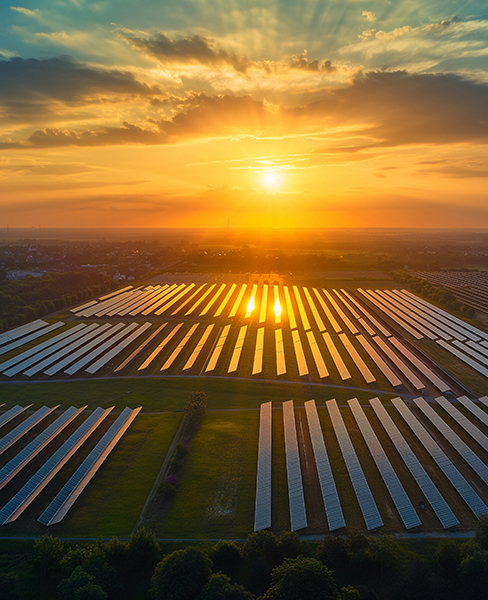
Aluminum alloy ground photovoltaic mounting system - concrete foundation solution refers to a mounting structure that uses high-strength aluminum alloy as the main structural material and concrete blocks cast on-site or prefabricated as the load-bearing foundation, and is used to fix solar photovoltaic modules in open areas on the ground.
Color :
Natural silver(Colored according to customer requirements)Certification :
CE, TÜV, ISO9001, SGSMaterial :
Anodized Aluminum AL6005-T5, Stainless Steel SUS304,Product Origin :
Tianjin, FujianShipping Port :
Shanghai, Ningbo, Tianjin, Xiamen, Shenzhen ports
Product Description
This system combines the lightweight, high-strength and corrosion-resistant characteristics of the aluminum alloy mounting structure with the stable and reliable load-bearing capacity of the concrete foundation, and has become widely used mounting solutions in the current construction of ground-mounted solar photovoltaic power stations.
This product can be widely applied in various open terrains such as grasslands, deserts, and even existing concrete surfaces. It is suitable for large-scale centralized photovoltaic power stations, industrial and commercial distributed photovoltaic projects, as well as agricultural photovoltaic integration and other scenarios. Depending on the different foundation forms, it can be used with different foundation types such as concrete strip foundations, concrete block foundations, or screw pile foundations.
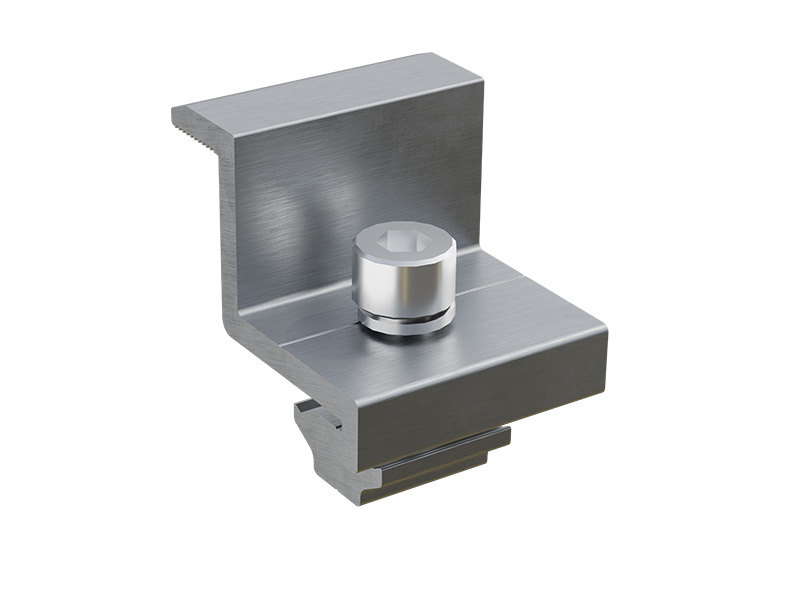
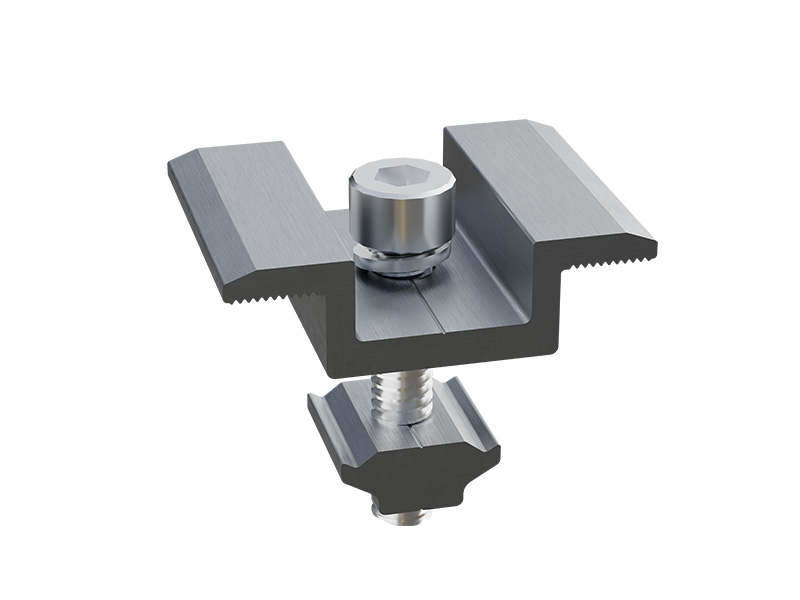
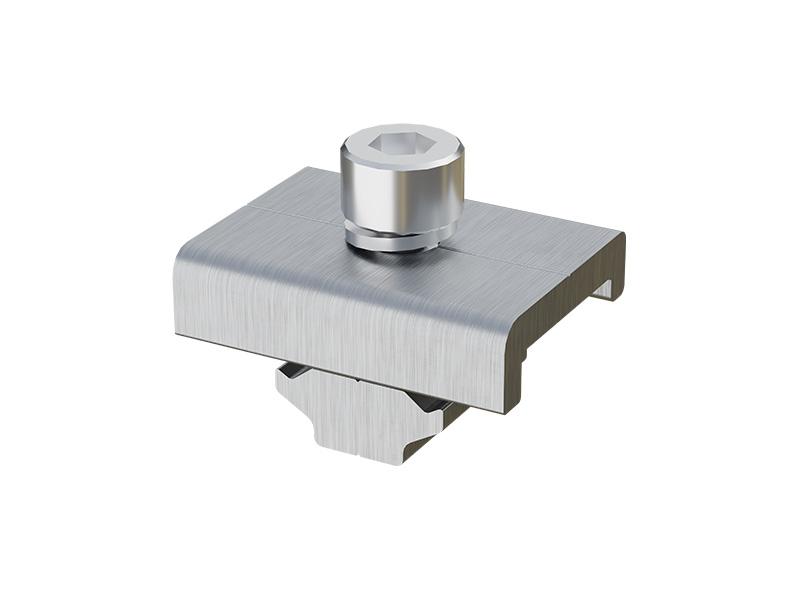
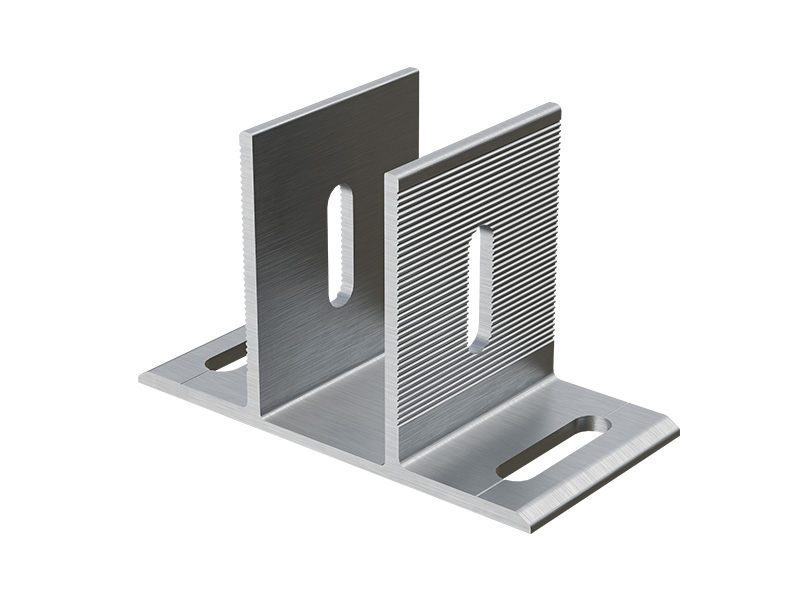
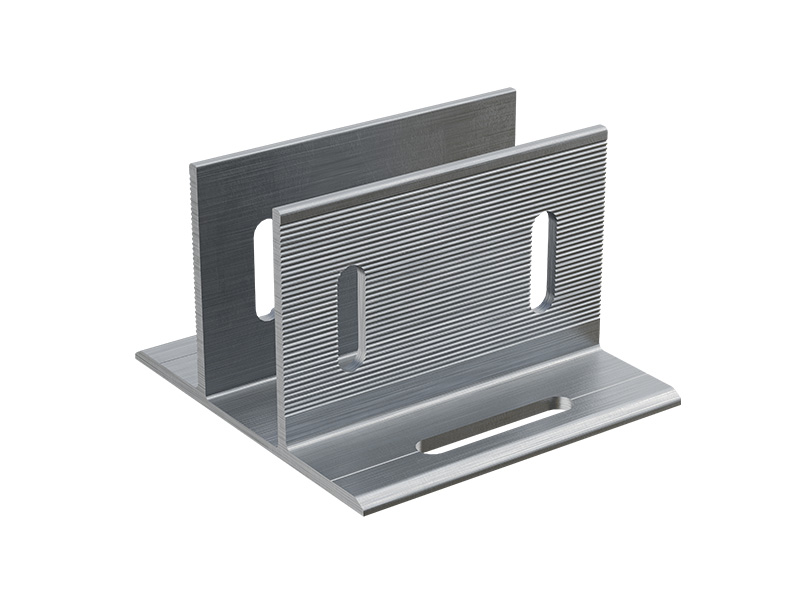
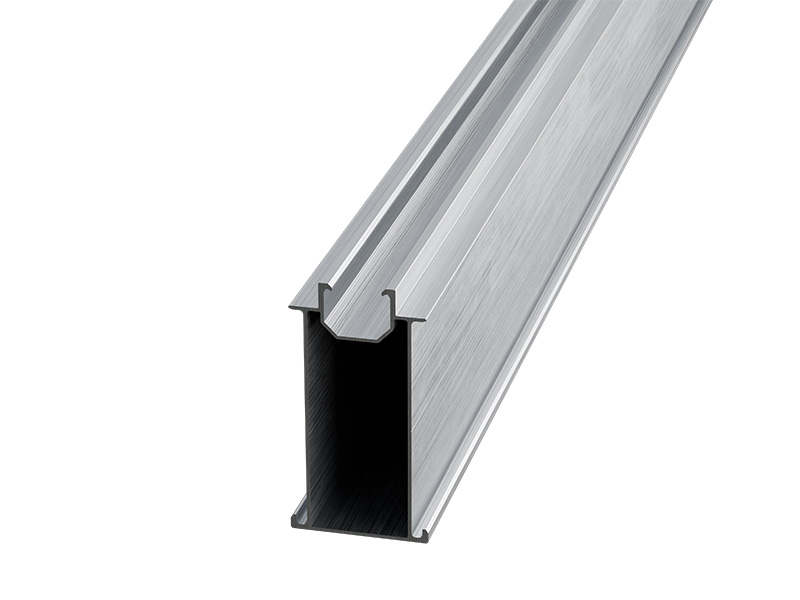
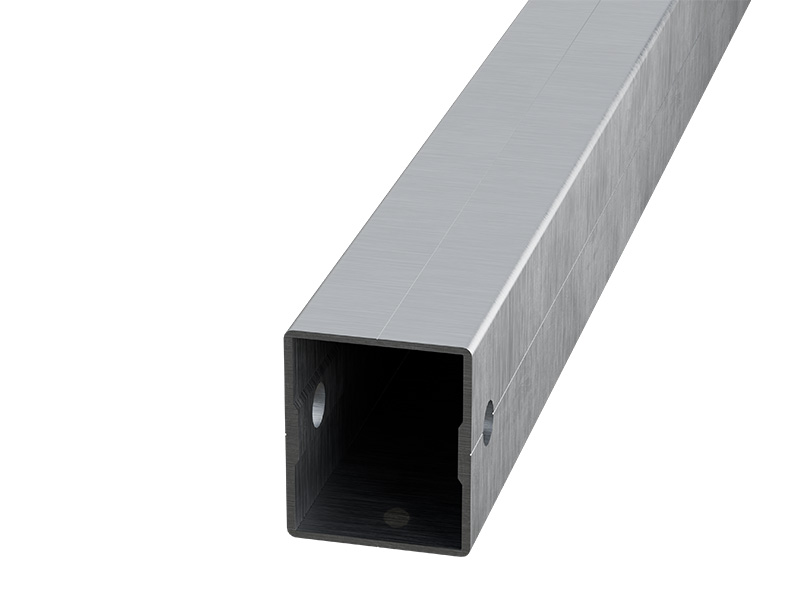
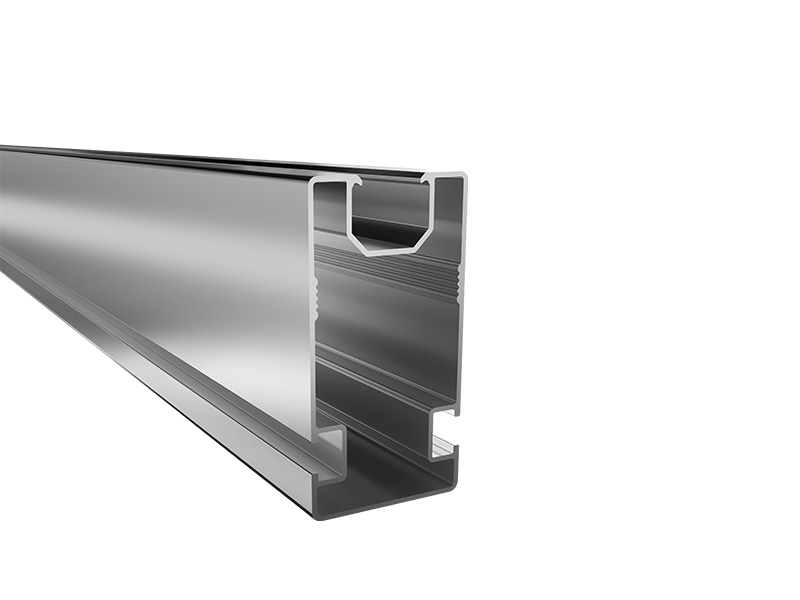
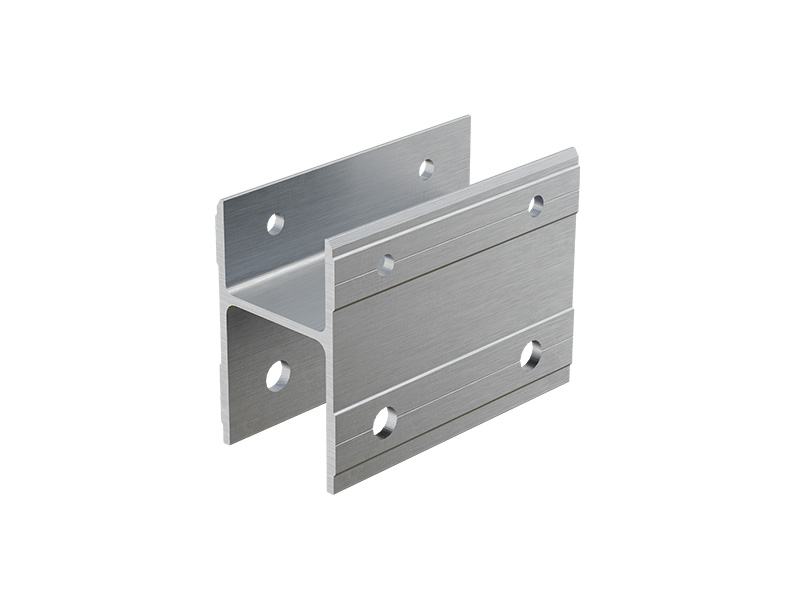
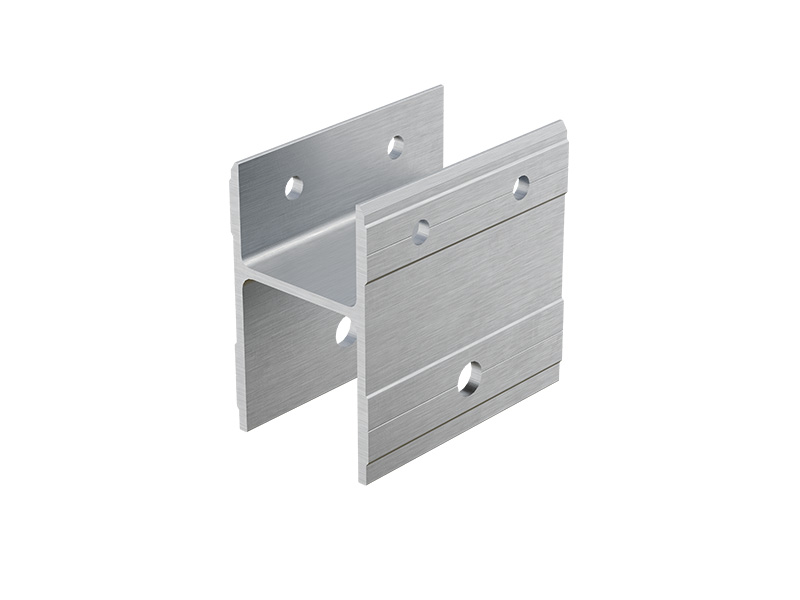
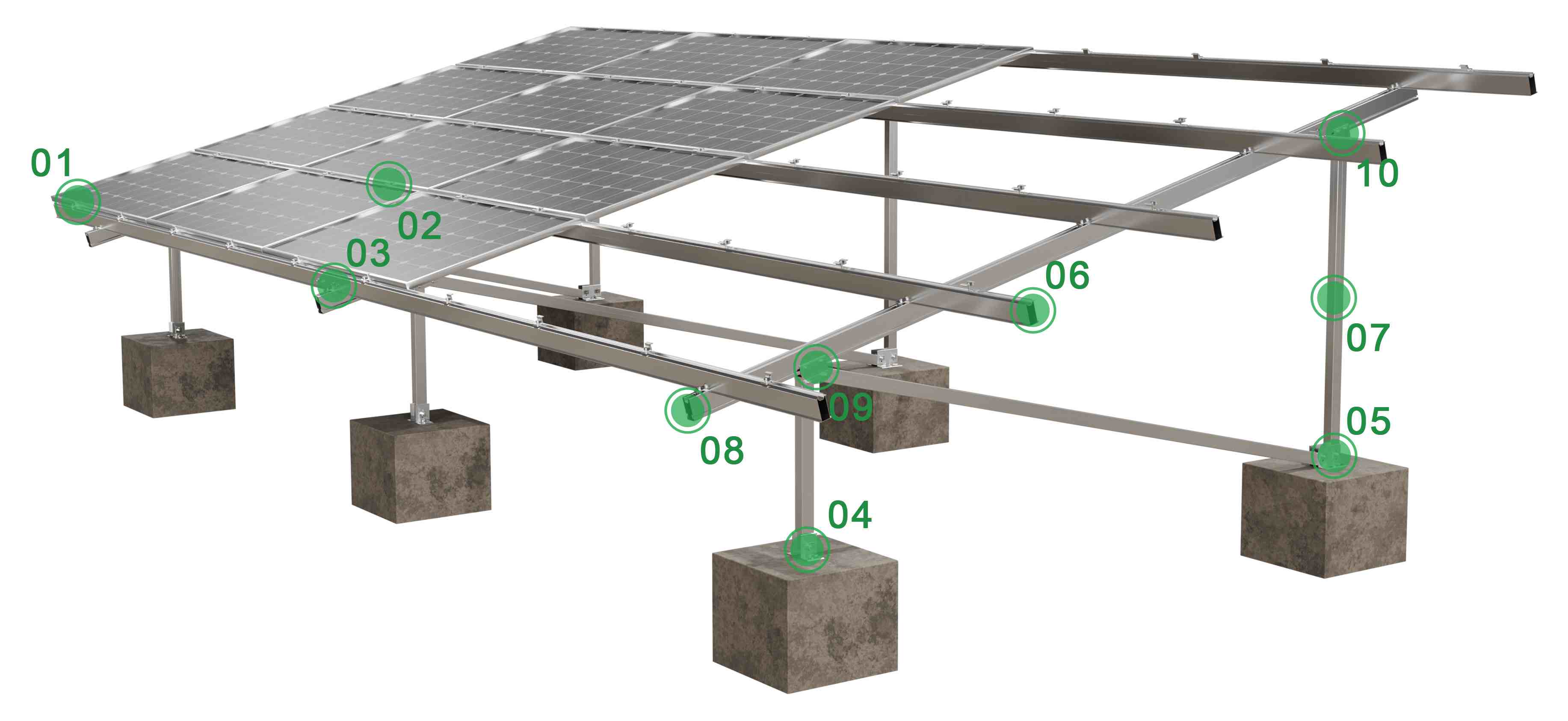
Product Components
Advantage
Aluminum alloy photovoltaic (PV) mounting brackets offer significant advantages over traditional steel mounting brackets in several aspects:
▪ Lightweight and easy to install
▪ Excellent corrosion resistance
▪ Superior ductility and fatigue resistance
▪ Aesthetically pleasing and recyclable
Parameters
| Installation | Ground |
| Wind Load | up to 60m/s |
| Snow Load | 1.4kn/m² |
| Standards | GB50009-2012, EN1990:2002, ASE7-05, AS/NZS1170, JIS C8955:2017, GB50429-2007 |
| Material | Anodized Aluminum AL 6005-T5, Stainless Steel SUS304 |
| Warranty | 10 Years Warranty |
Structural Types
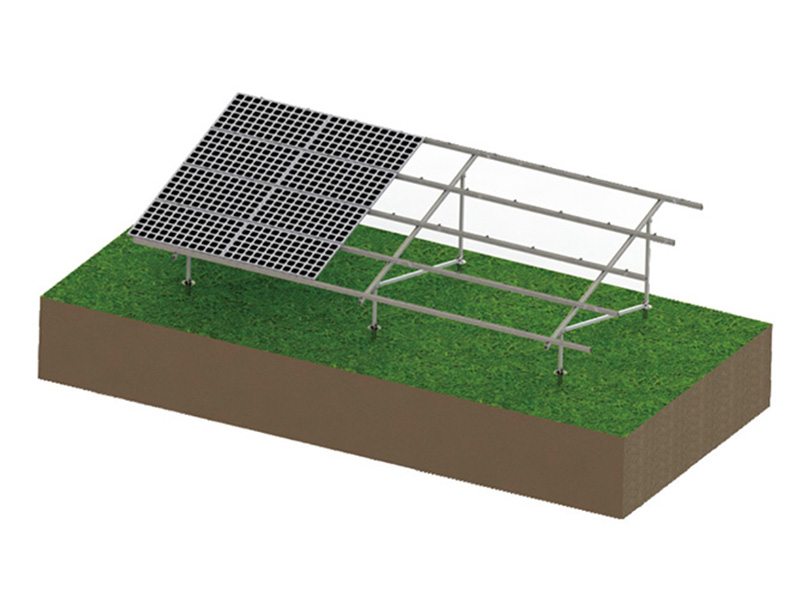
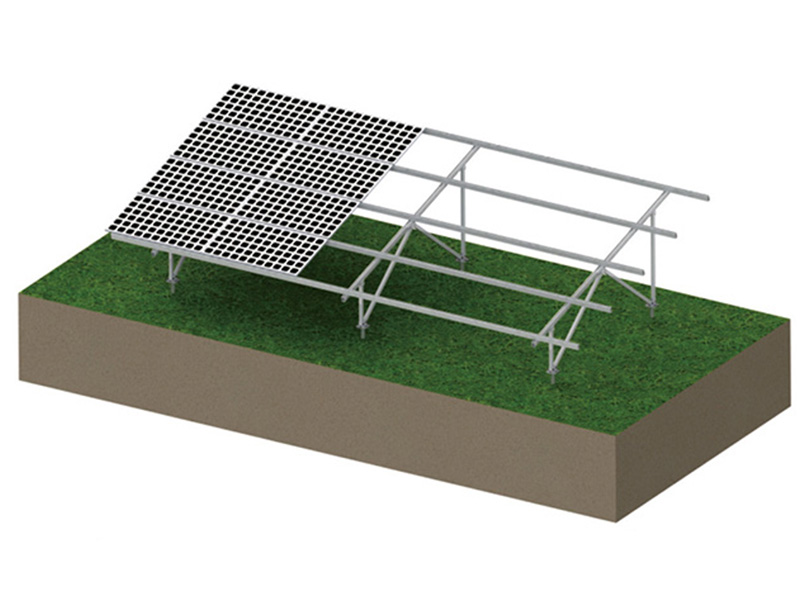
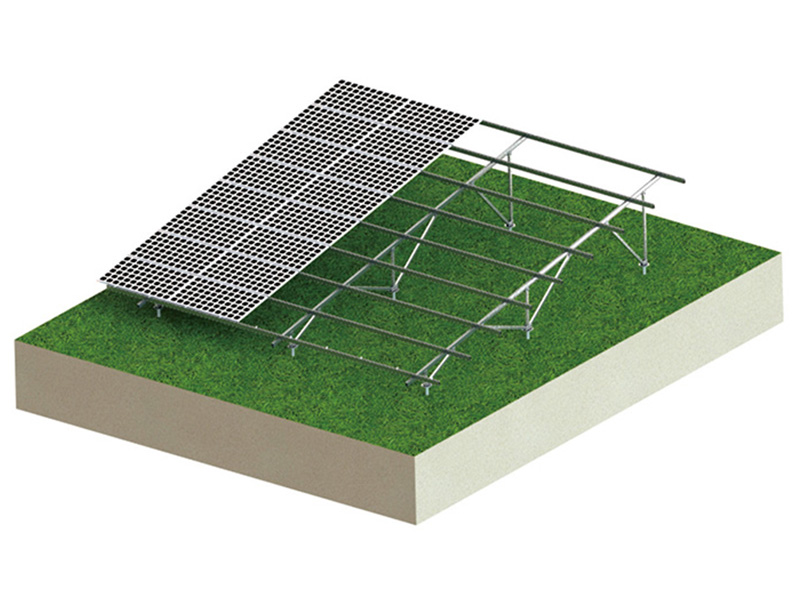
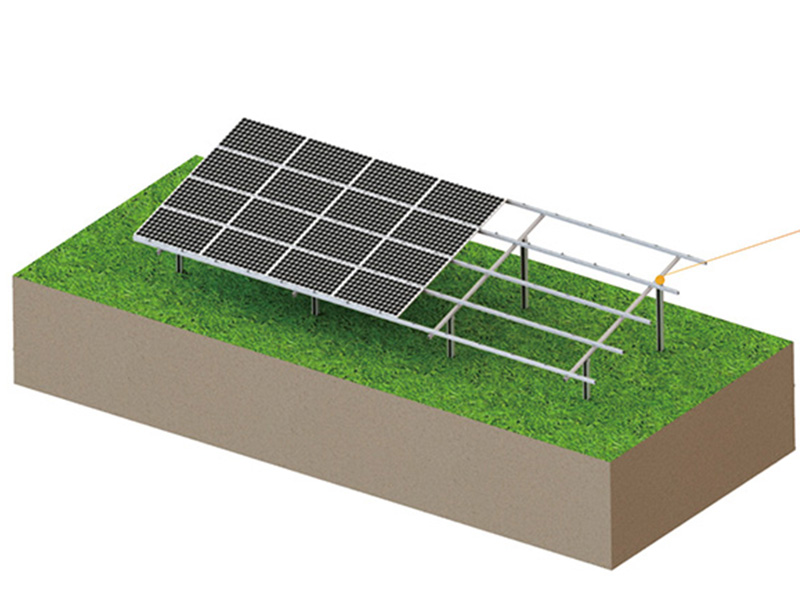
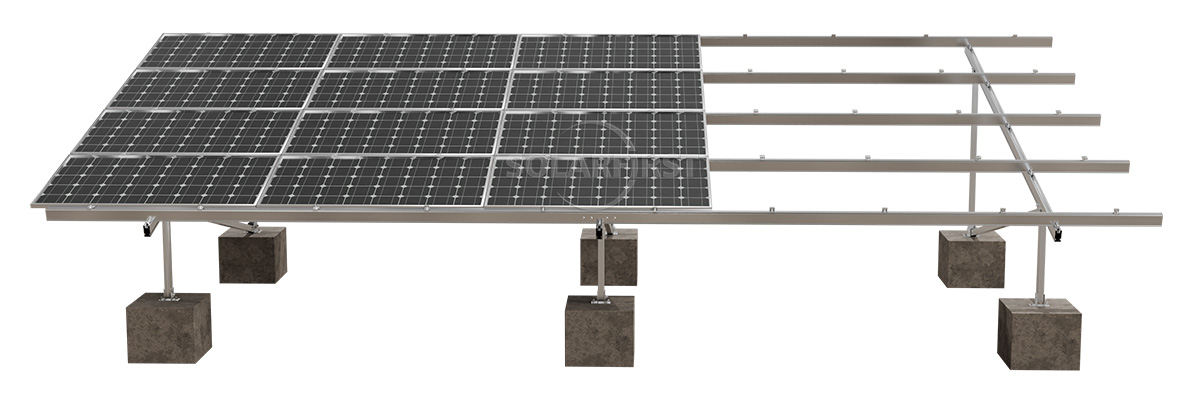
The structure is fixed by two ramming piles. It is stable, and convenient in installation. Recommended environment: Relatively low snow and wind load.
Applicable Scenarios
▶ Large-scale centralized ground-mounted power stations: Large scale (MW and above), open terrain.
Lightweight and efficient aluminum alloy mounting system, combined with stable and reliable concrete foundations, are a common choice.
▶ Industrial and commercial distributed photovoltaics: Small to medium-sized projects such as factory open spaces and parking lots.
Concrete ballast foundations are flexible and adaptable to existing ground conditions, with short installation cycles.
▶ Agricultural photovoltaic complementary projects: Crops are planted under photovoltaic modules.
The concrete foundation could be design into different height (500-3000mm), ensuring space for agricultural use.
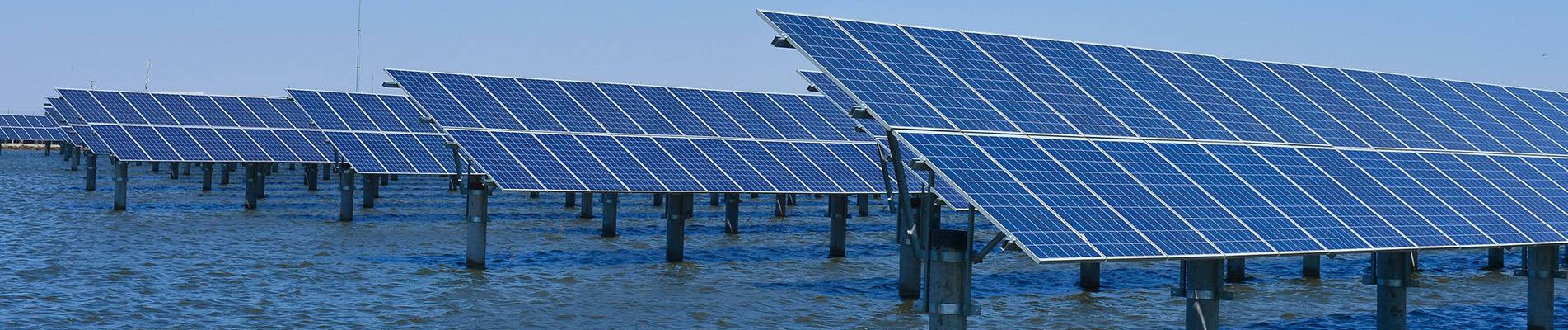
▶ Fishery photovoltaic complementary projects: Photovoltaic modules are erected above fishponds.
Concrete pile foundations are corrosion-resistant and stable, suitable for areas with fluctuating water levels.
▶ Strong wind/snowy areas: High wind loads and thick snow accumulation.
The system has been verified through wind and snow resistance limit state calculations and is suitable for wind speeds up to 60m/s and heavy snow conditions.
Applicable Soil Types
Concrete foundations are shallow foundations. Their principle is to distribute the load over a larger soil layer. Therefore, the suitable soil types are as follows:
Geological Limitations to Consider
The following geological conditions may be unsuitable for concrete foundations or extremely difficult to install due to insufficient bearing capacity or soil instability, requiring prior assessment or alternative foundation types:
▶ Soft Soil
Including silt, silty clay, peat, and fill. High natural water content and extremely low bearing capacity, prone to compression deformation and overall instability.
▶ Problemmatic Soils
Collapsible loess, expansive soil, frozen soil, and saline soil. Significant settlement, volume expansion, and frost heave occur upon contact with water, severely compressing foundation stability.
▶ Underconsolidated Fill
Recently filled, shortly stockpiled, and complex-composition plain fill and miscellaneous fill. Not yet fully consolidated under its own weight, resulting in large and uneven settlement.
▶ High Corrosion Soil
While the direct impact of soil chemistry on the concrete itself may be limited, it can affect the long-term durability of the foundation through groundwater infiltration, thus requiring specific assessment.
▶ Special Terrain
In areas with steep slopes, inclines, or high groundwater levels, the stability of extended foundations is difficult to guarantee.
Summary
Aluminum alloy mounting structure + concrete foundation = lightweight and durable + stable and reliable + environmentally friendly and long-lasting, making it one of the most suitable solutions for ground-mounted photovoltaic projects.
Solar First Project Reference
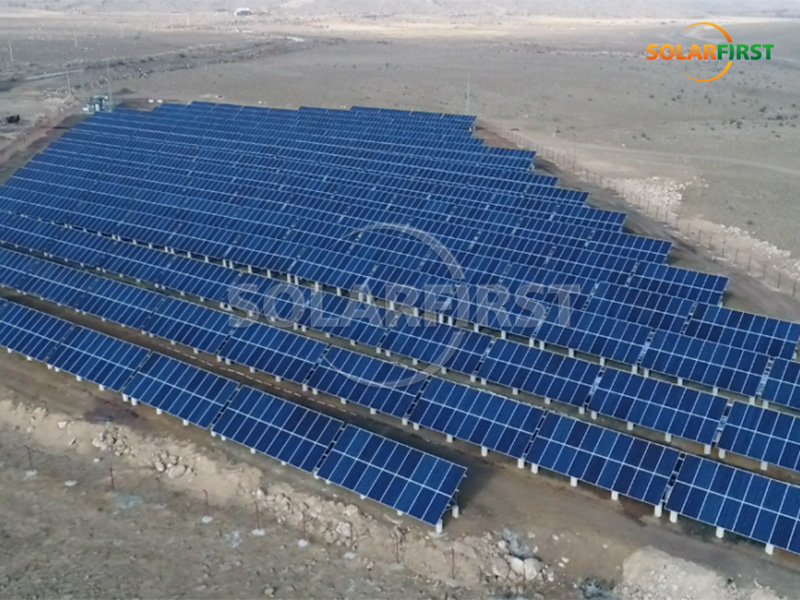
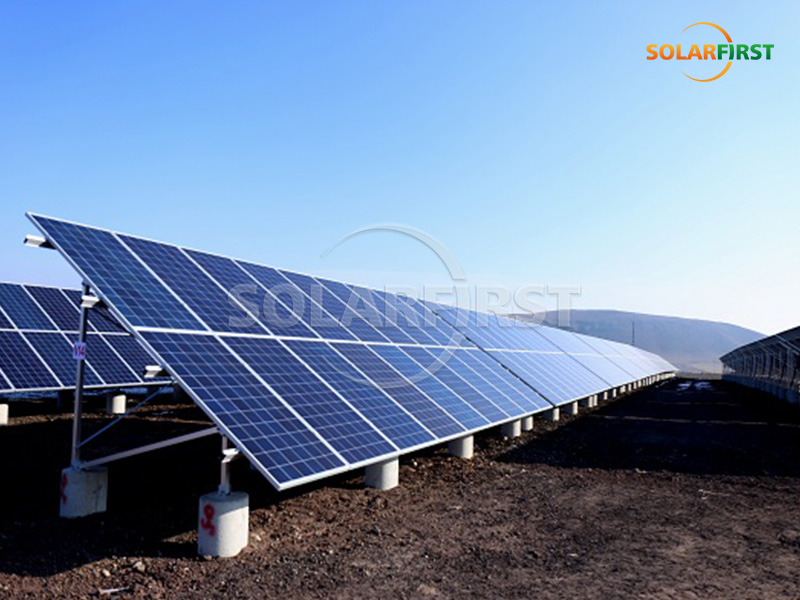
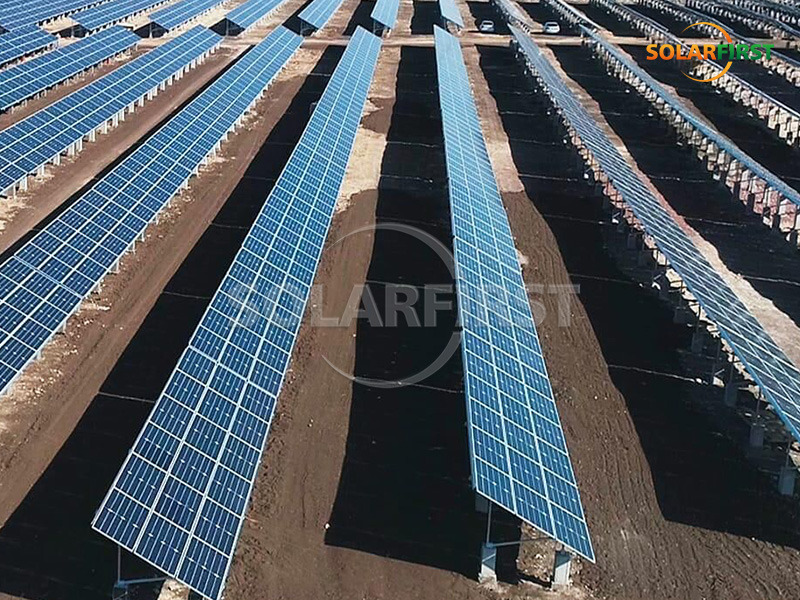
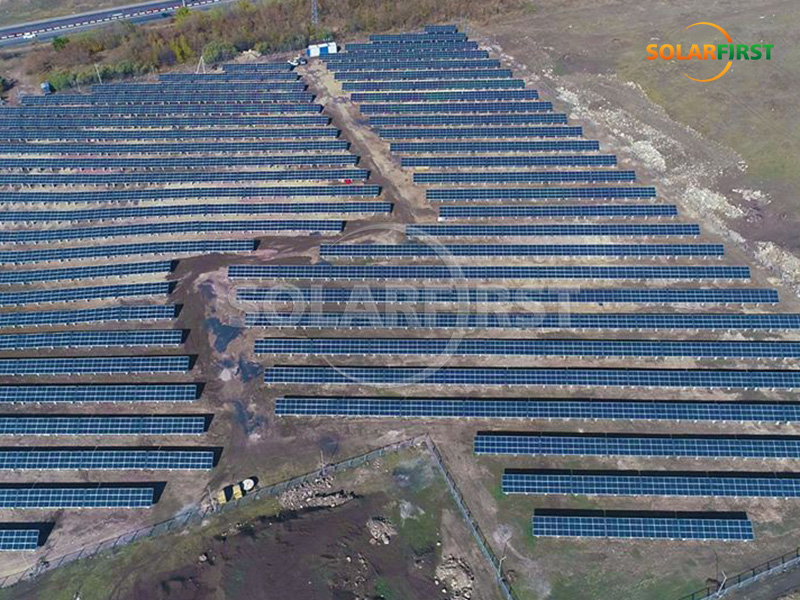
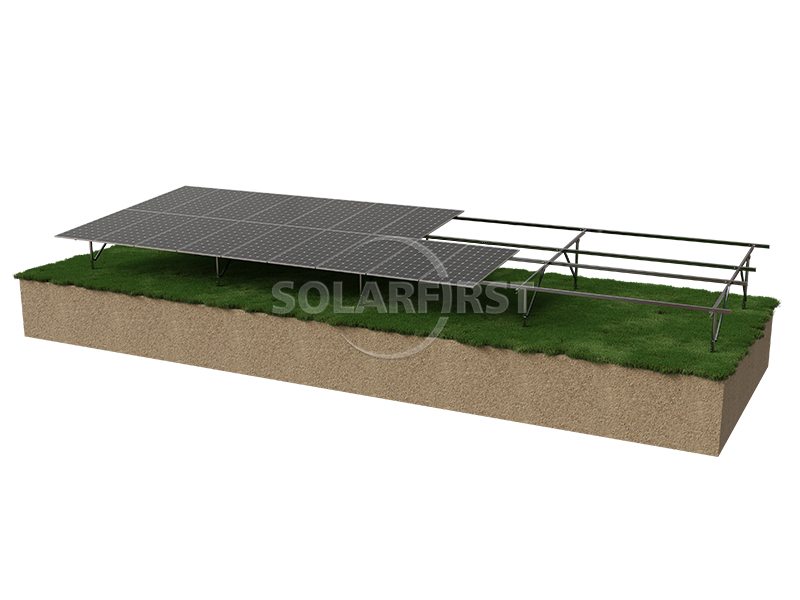
Carbon steel ground solar module mounting strucutre - ground screw pile foundation: The core material is galvanized or Zn-Al-Mg coated steel. It consists of screw piles buried underground, and the mounting structure above ground. The ground screw pile is installed by piling machine by screwing into the soil to serve as the load-bearing foundation for the photovoltaic array. All components are treated with hot-dip galvanizing or ZAM coating, achieving full metal connection.
Read More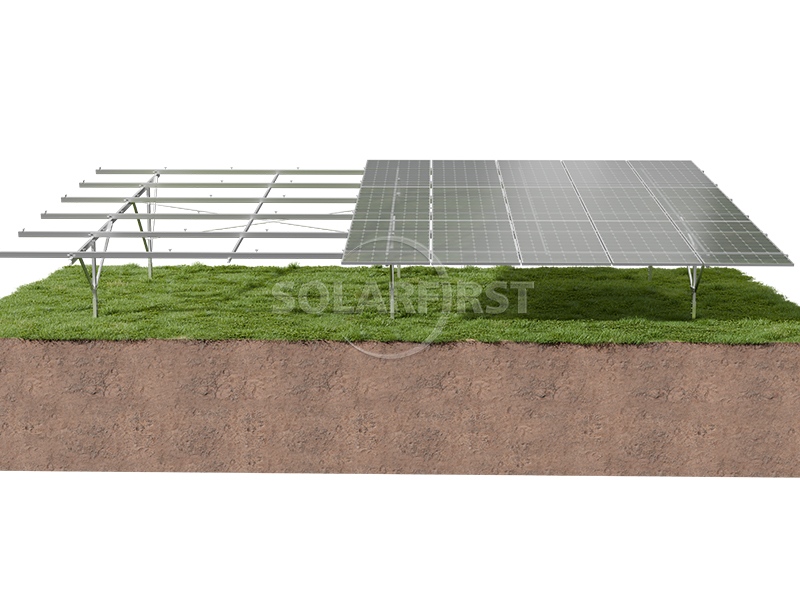
The ramming pile ground solar module mounting systems are PV mounting structure where foundation piles are driven directly into the soil using piling machine.
Read More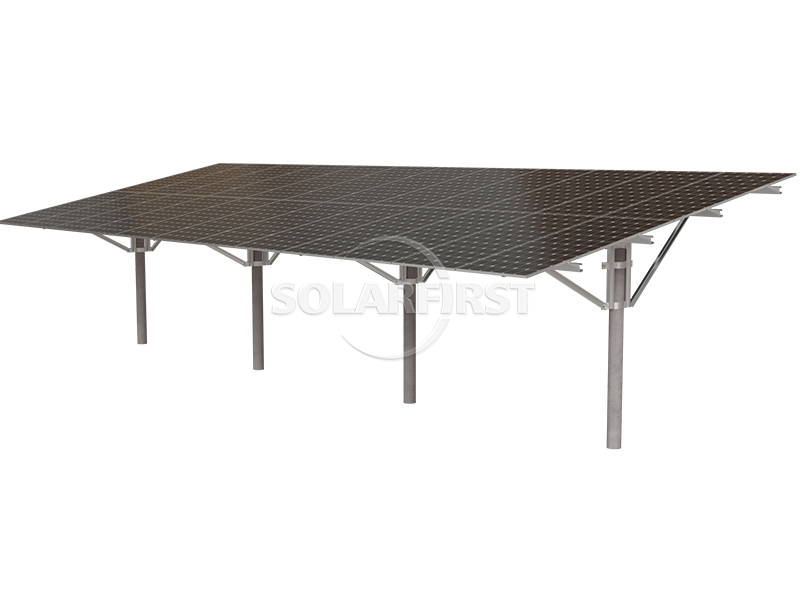
Carbon steel solar module ground mounting system integrated prestressed high-strength concrete piles (PHC piles) as the foundation.
Read More
The aluminum alloy spiral ground anchor-based photovoltaic support system adopts the "rotational insertion installation" and "fully aluminum anti-corrosion" design, providing a ground installation solution with lower environmental impact and higher construction efficiency for small and medium-sized photovoltaic projects.
Read More
Aluminum alloy ground photovoltaic mounting system - concrete foundation solution refers to a mounting structure that uses high-strength aluminum alloy as the main structural material and concrete blocks cast on-site or prefabricated as the load-bearing foundation, and is used to fix solar photovoltaic modules in open areas on the ground.
Read More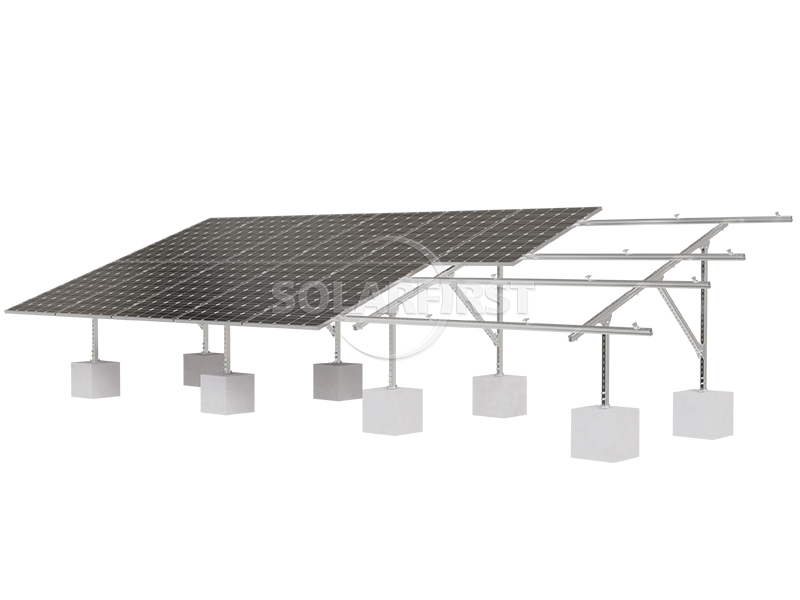
U steel is a core load-bearing component of ground-mounted photovoltaic mounting systems and belongs to a type of cold-formed thin-walled steel. Its cross-section is U shaped, with inward lips on both sides.
Read More
 en
en fr
fr de
de zh-CN
zh-CN ru
ru es
es pt
pt ja
ja ko
ko ar
ar