Leave A Message
If you are interested in our products and want to know more details,please leave a message here,we will reply you as soon as we can.


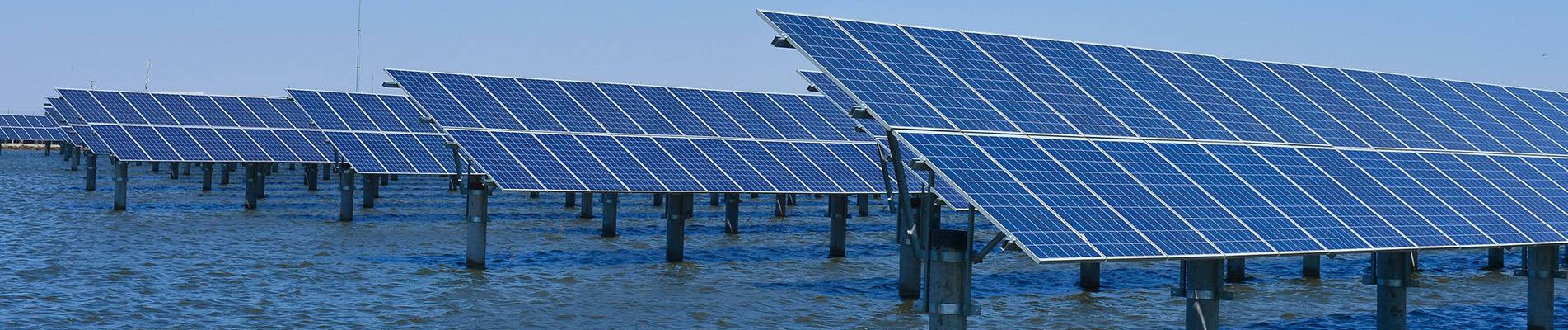
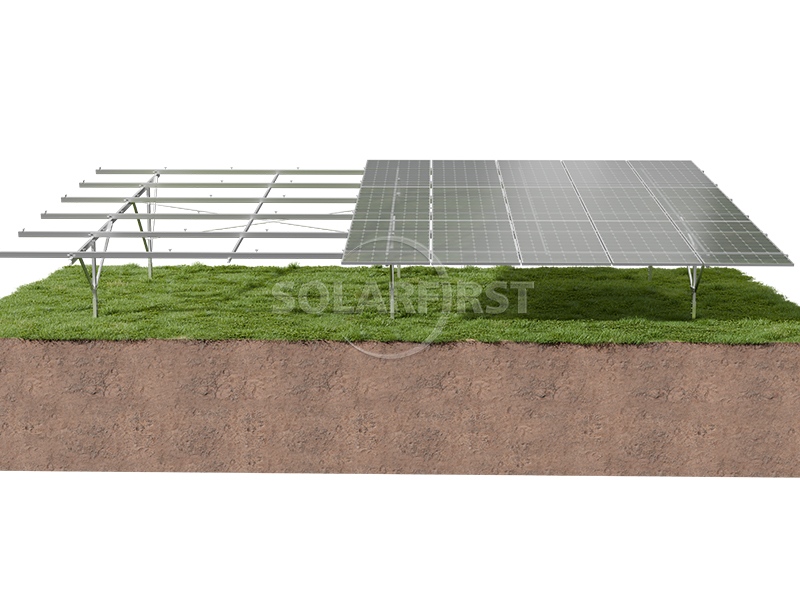
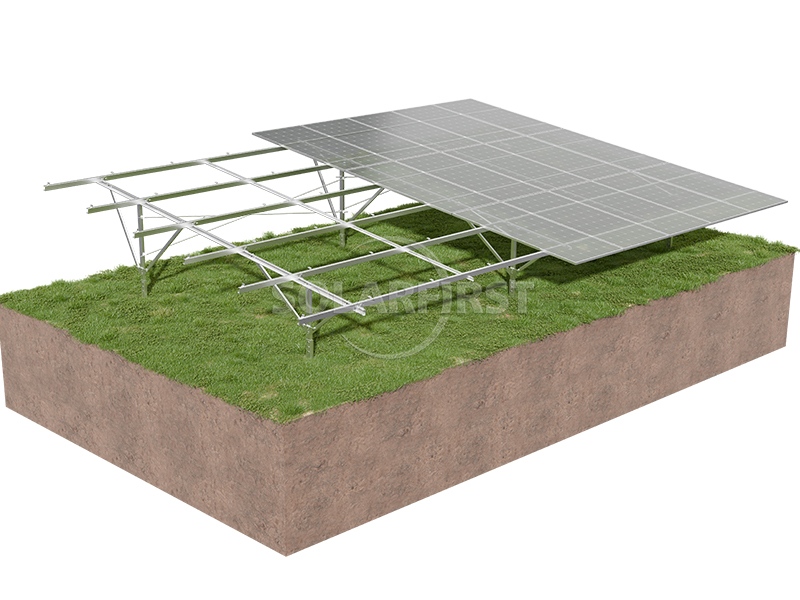
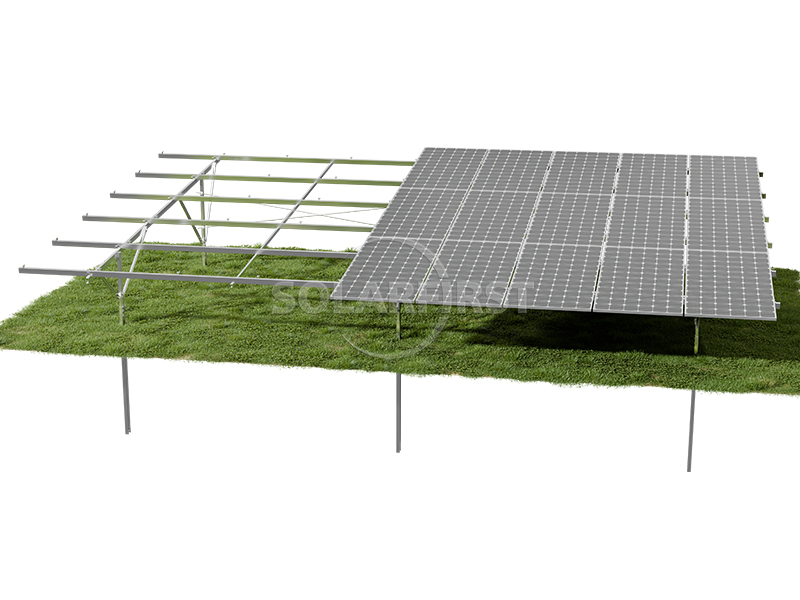

The ramming pile ground solar module mounting systems are PV mounting structure where foundation piles are driven directly into the soil using piling machine.
Color :
Silver (hot-dip galvanized) / Silver-gray (zinc-aluminum-magnesium coated)Certification :
CE, TÜV, ISO9001, SGSMaterial :
Hot Dip Galvanized Steel, Zn-Al-Mg pre-coated steel, Stainless Steel SUS304Product Origin :
Tianjin, FujianShipping Port :
Shanghai, Ningbo, Tianjin, Xiamen, Shenzhen ports
Product Description
This ramming pile ground solar module mounting system is mounting structure which columns are foundation piles and are driven directly into the soil. The pile foundation primarily relies on pile side friction and pile end resistance to bear the load from the superstructure, transferring the weight of the PV modules, wind load, snow load, etc., to the stable soil layer below.
Based on the driving method, the driving of piles can be divided into hydraulic pile hammer type and static pile driver type. This product requires no concrete pouring; a piling machine hydraulically drives steel columns into the ground to the required depth, in just a minute, greatly improving construction efficiency.
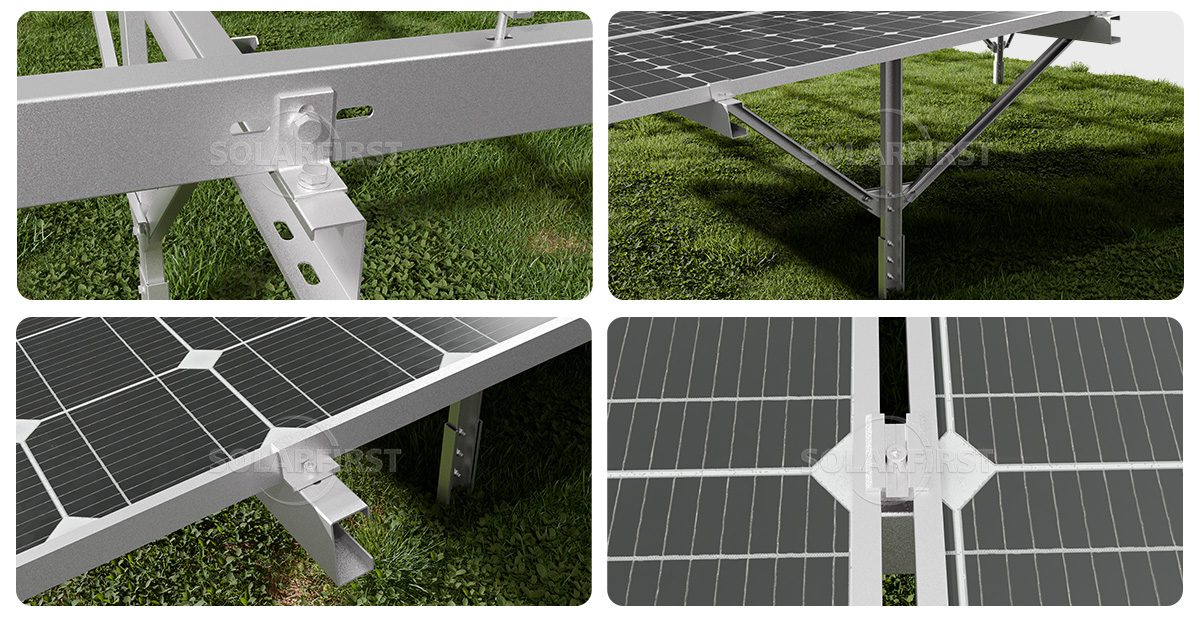
Product Components
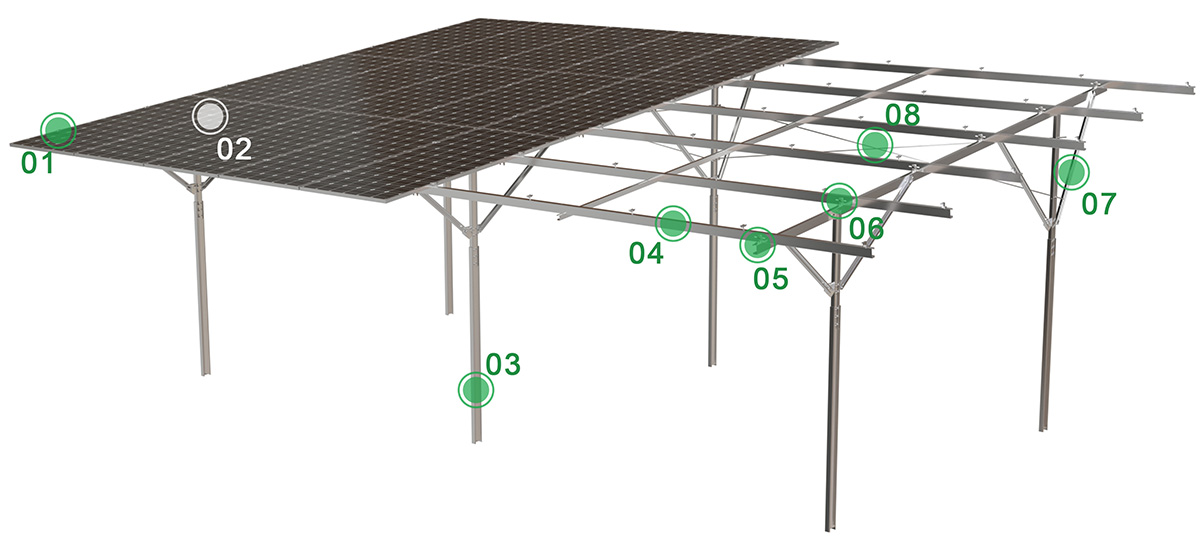
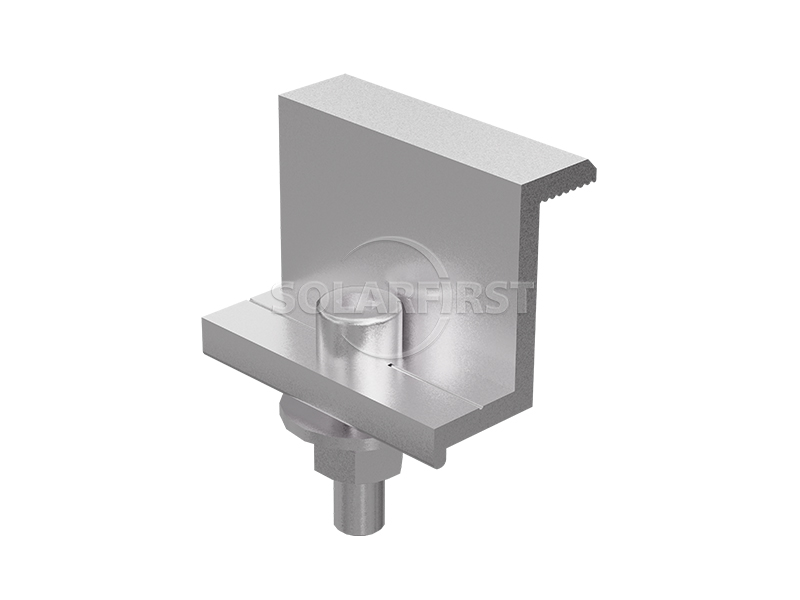
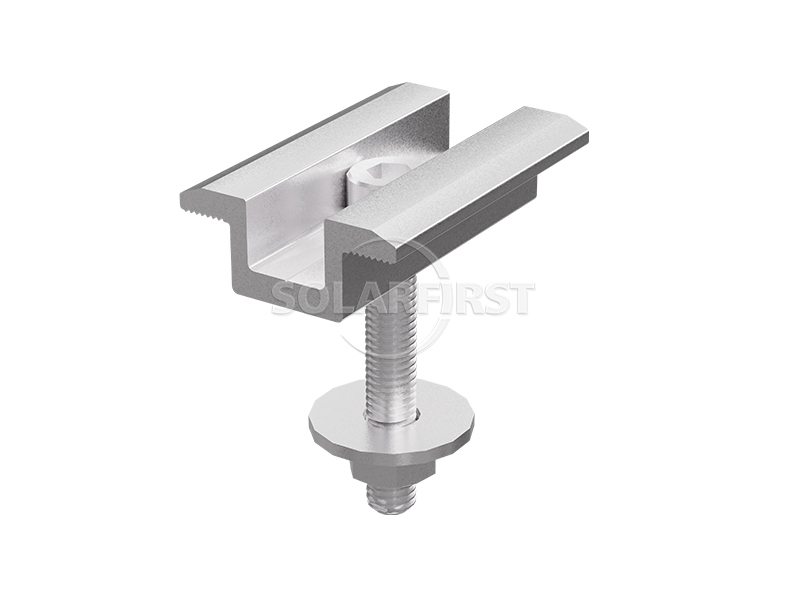
01 End Clamp Kit
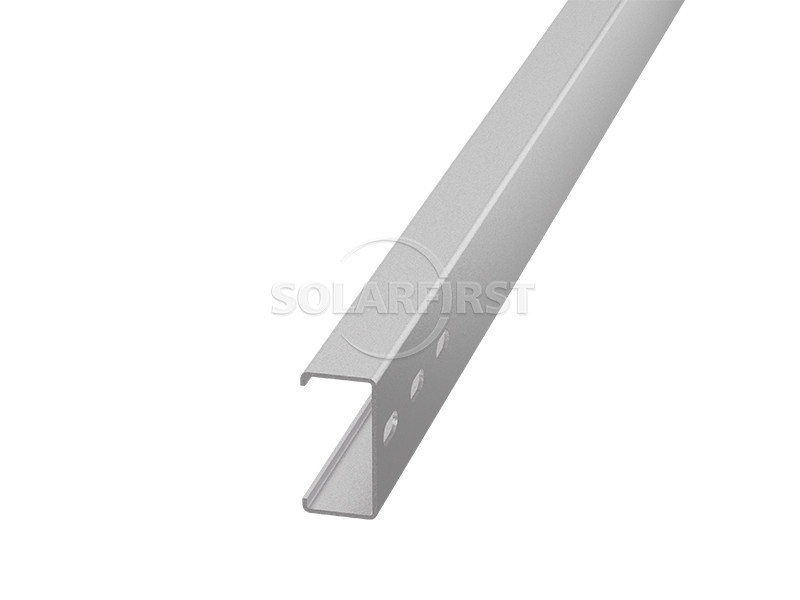
02 Mid Clamp Kit
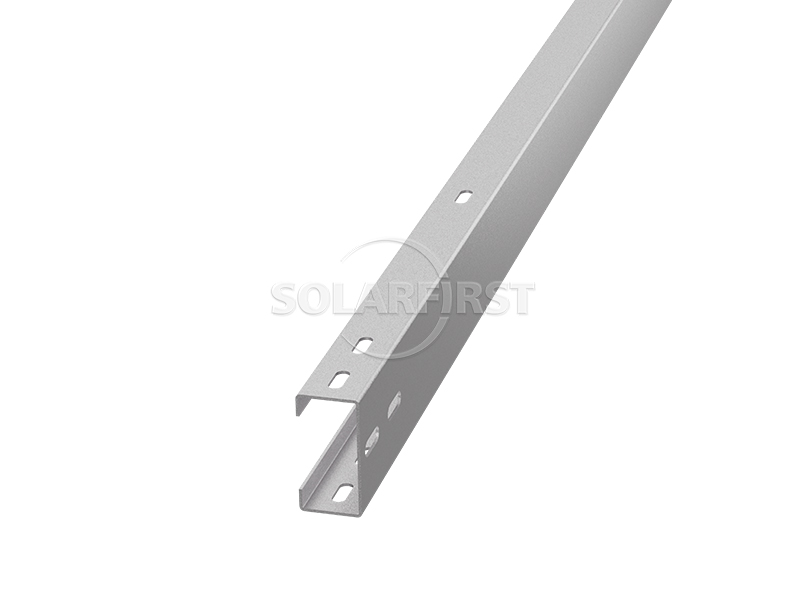
03 Column
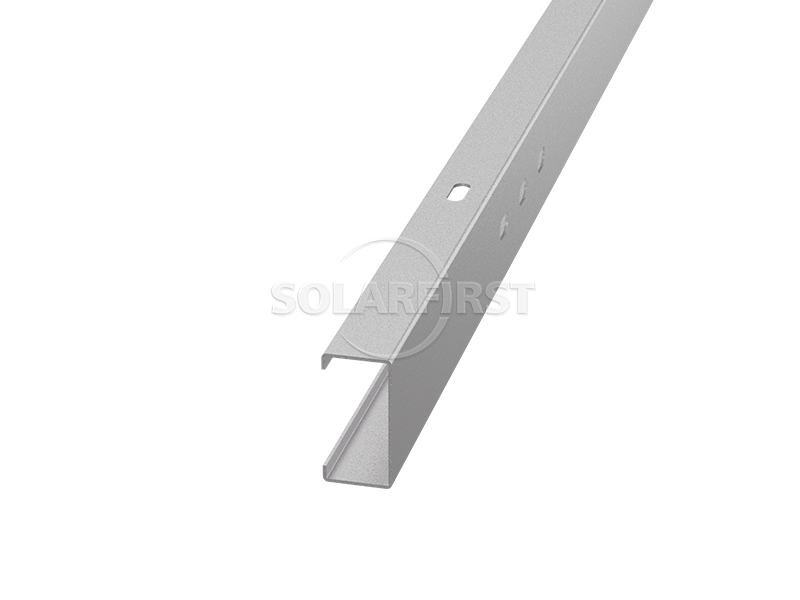
04 Purlin
05 Beam
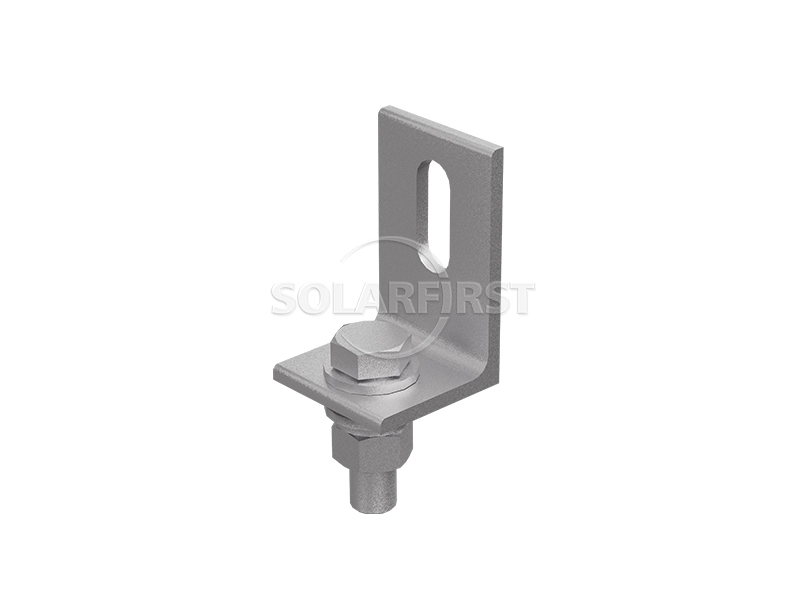
06 Purlin Support
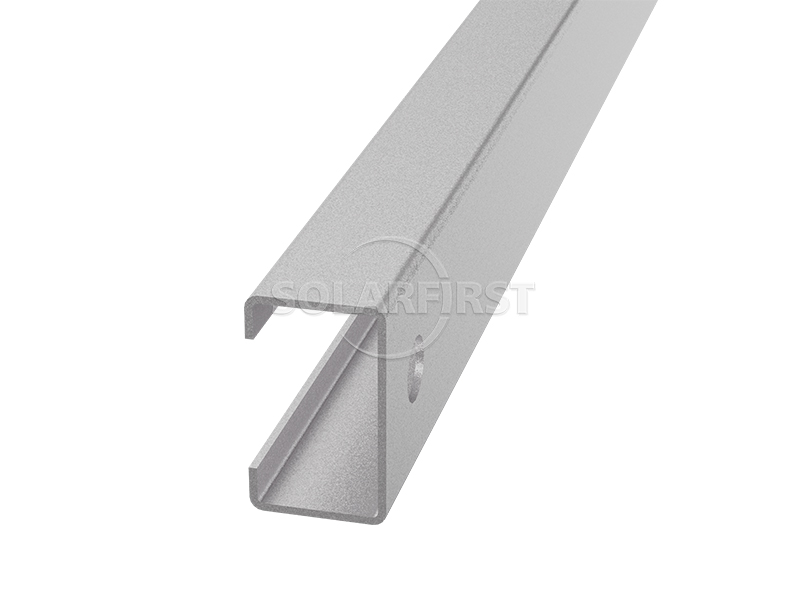
07 Beam Support
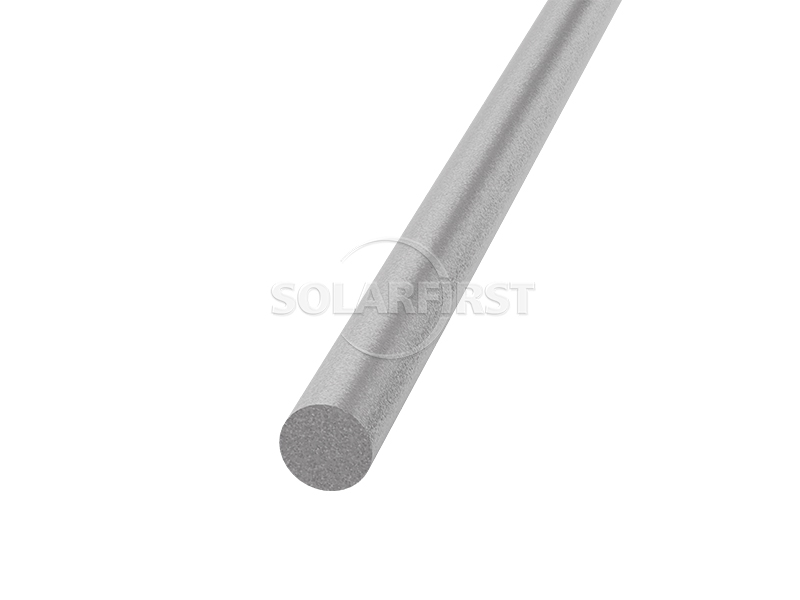
08 Tie Rod
Advantage
▶ Fast Construction Speed and High Efficiency:
Piling machines are directly driven into earth, in just a minute. Compared to traditional concrete foundations, significant time is saved on excavation, formwork, pouring, and curing.
▶ Economical and Highly Efficient with Low Overall Costs:
No concrete materials are required, eliminating the costs of steel reinforcement, cement, and the time. The components are designed into standard specfications for fast mass production and fast delivery. Piling is done by mahines, and it will significantly reduce labor costs.
▶ Environmentally Friendly with Minimal Ecological Damage:
By piling machine, the pile can be easily adjust, and almost no site leveling is required. Compared to concrete foundation, there is no excavation or backfilling work, resulting in minimal damage to existing vegetation and eliminating dust and waste emissions. The piles can also be recycled after service life, making this solution highly environmentally friendly.
▶ High Adaptability and Good Terrain Compatibility:
Single or double column designs can adapt to undulating terrain, slopes, and undulating ground.
▶ Safe, reliable, corrosion-resistant, and durable:
Utilizing hot-dip galvanized or ZAM surface treatment, the carbon steel components possess exceptional corrosion resistance, adapting to diverse climatic environments. The overall structure has been calculated for use in extreme weather and geographical conditions.
▶ Easy installation and maintenance:
All components are bolted together, no welding work on site, which makes maintenance easy.
▶ Excellent wind and snow resistance:
The all-carbon steel design ensures long-term reliability of the system under harsh weather conditions such as blizzards and strong winds.
Parameters
| Installation | Ground |
| Foundation | C-shaped steel foundation, prefabricated pipe piles, helical ground anchors, static pressure piles, concrete embedded piles, etc. |
| Wind Load | up to 60m/s |
| Snow Load | 1.4kn/m² |
| Standards | GB50009-2012, EN1990:2002, ASCE7-05, AS/NZS1170, JIS C8955:2017,GB50017-2017 |
| Material | Anodized Aluminum AL6005-T5, Hot Dip Galvanized Steel, Galvanized Magnesium Aluminum Steel, Stainless Steel SUS304 |
| Depth | >1500 (Depending on the local soil conditions) |
| Warranty | 10 Years Warranty |
| Designed service life | 25-30 years |
Applicable Scenarios
Ground-mounted photovoltaic (PV) systems using piling are widely used in various types of ground-mounted PV power plants, primarily including:
▪ Large-scale ground-mounted PV power plants:
The most common application scenario, suitable for large-scale PV projects in open areas.
▪ Mountain/hilly PV projects:
Piling foundations penetrate weak layers to transfer loads to hard rock and soil, making them particularly suitable for complex terrain and mountainous projects.
▪ Agricultural-photovoltaic projects:
Meeting the basic needs of agricultural production while also providing PV power generation, piling foundations offer good permeability in the pile foundation area, beneficial for agricultural production activities.
▪ Winter construction projects:
Piling foundations can still be constructed normally under winter weather conditions.
Important Notes:
▶ Important On-Site Geological Survey:
A professional geological survey must be done before construction to determine the soil type and bearing capacity. Geotechnical investigation is a prerequisite for selecting the appropriate pile type and determining the driving depth; blind construction based on estimation is strictly prohibited.
▶ Precise Pile Positioning:
Before pile driving, measurements must be taken according to the design drawings to determine the precise position of each pile. Ensure that the spacing and elevation of piles throughout the site meet design requirements.
▶ Construction Method Selection and Process Control:
Steel piles should preferably be driven using a clamp-type hydraulic hammer machine, or static pressing pile driver. The pile driving depth must be strictly controlled according to the design value; controlling the pile elevation and pile position deviation is critical in construction quality control.
▶ Installation Accuracy Control:
During installation, ensure that the verticality of the columns (verticality ≤ 1mm), the horizontality of the beams, and the tilt angle of the mounting system meet the design requirements. The horizontal deviation along the entire east-west length (at the same elevation) should be ≤ 10mm.
▶ Load Verification:
For areas with large wind and snow loads, a professional structural design verification is required. Wind and snow loads should be calculated using values with a return period of 25 years.
▶ Test & verification:
Before formal construction, it is recommended to conduct tests to verify the bearing capacity of individual piles (including compressive, pull out, and horizontal bearing capacity) to verify the rationality and reliability of the design.
▶ Site protection and environmental restoration:
After construction is completed, temporary construction facilities should be promptly dismantled and cleaned up, and the affected surface environment should be restored to minimize damage to the site's ecological environment.
Solar First Project Reference

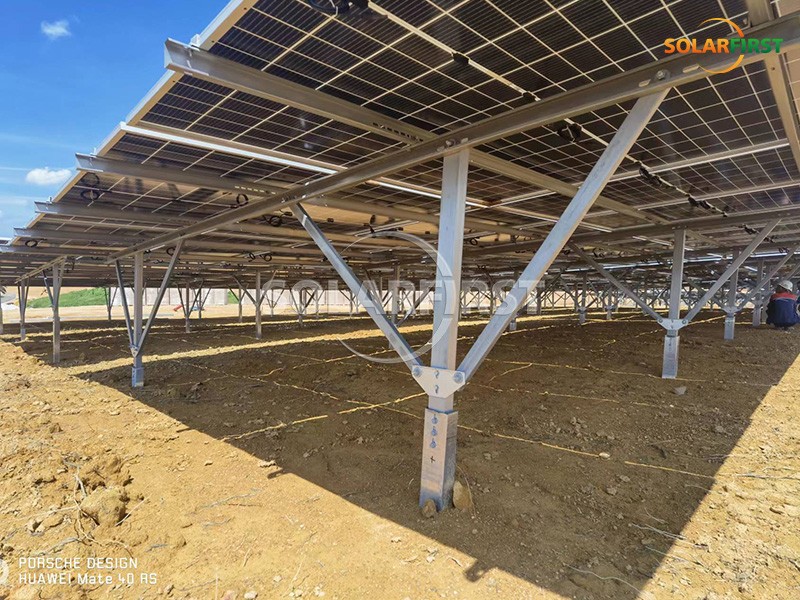
Related Knowledge Points
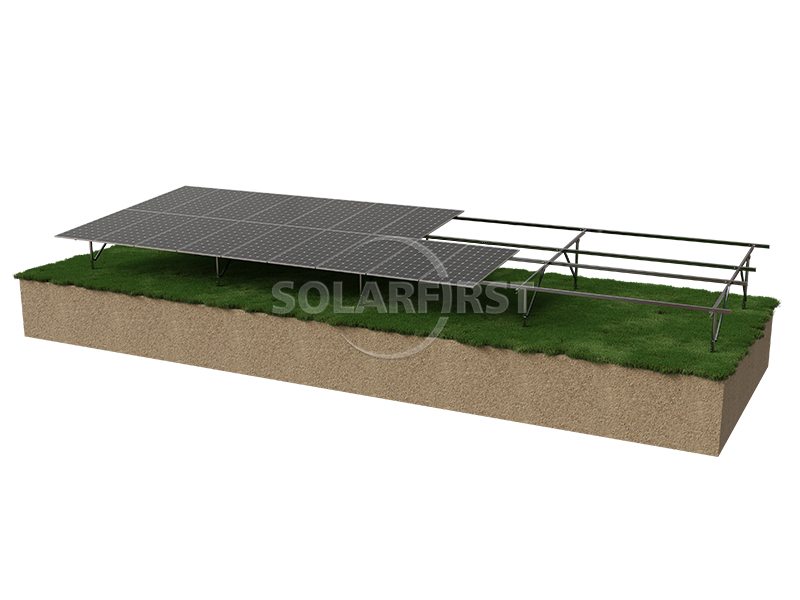
Carbon steel ground solar module mounting strucutre - ground screw pile foundation: The core material is galvanized or Zn-Al-Mg coated steel. It consists of screw piles buried underground, and the mounting structure above ground. The ground screw pile is installed by piling machine by screwing into the soil to serve as the load-bearing foundation for the photovoltaic array. All components are treated with hot-dip galvanizing or ZAM coating, achieving full metal connection.
Read More
The ramming pile ground solar module mounting systems are PV mounting structure where foundation piles are driven directly into the soil using piling machine.
Read More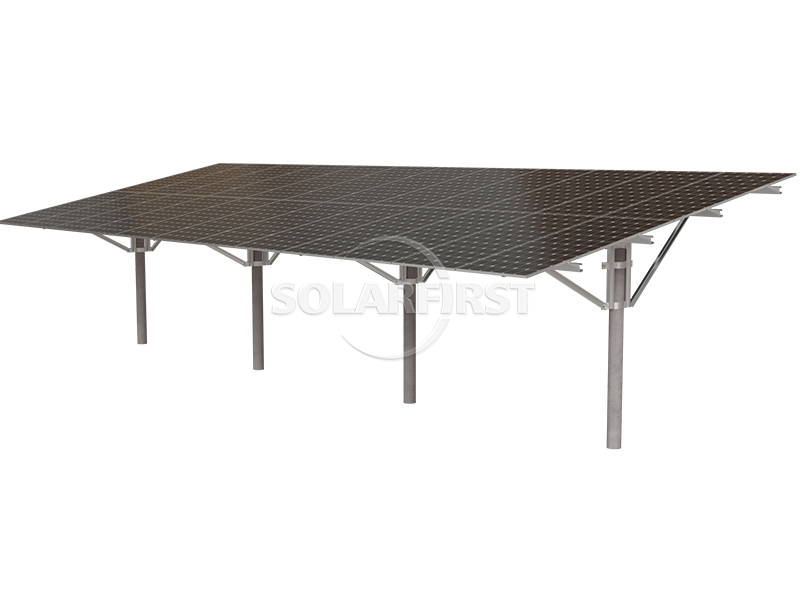
Carbon steel solar module ground mounting system integrated prestressed high-strength concrete piles (PHC piles) as the foundation.
Read More
The aluminum alloy spiral ground anchor-based photovoltaic support system adopts the "rotational insertion installation" and "fully aluminum anti-corrosion" design, providing a ground installation solution with lower environmental impact and higher construction efficiency for small and medium-sized photovoltaic projects.
Read More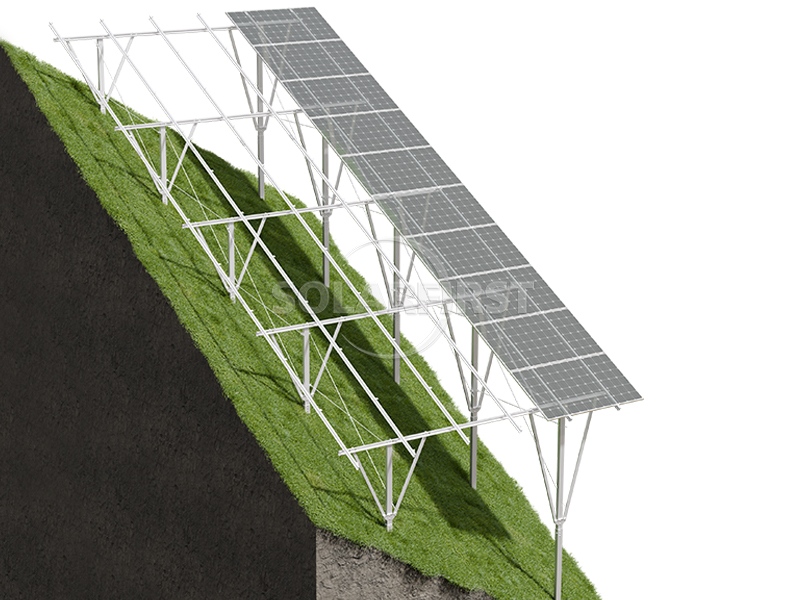
Ramming Pile Solar Ground Mount - Slope Area is a highly efficient solution for complex terrains such as slopes and hills. It eliminates the need for large-scale land leveling; by driving steel piles directly into the ground as a foundation and then installing adjustable supports, photovoltaic power plants can be built quickly and stably on irregular ground.
Read More
Aluminum alloy ground photovoltaic mounting system - concrete foundation solution refers to a mounting structure that uses high-strength aluminum alloy as the main structural material and concrete blocks cast on-site or prefabricated as the load-bearing foundation, and is used to fix solar photovoltaic modules in open areas on the ground.
Read More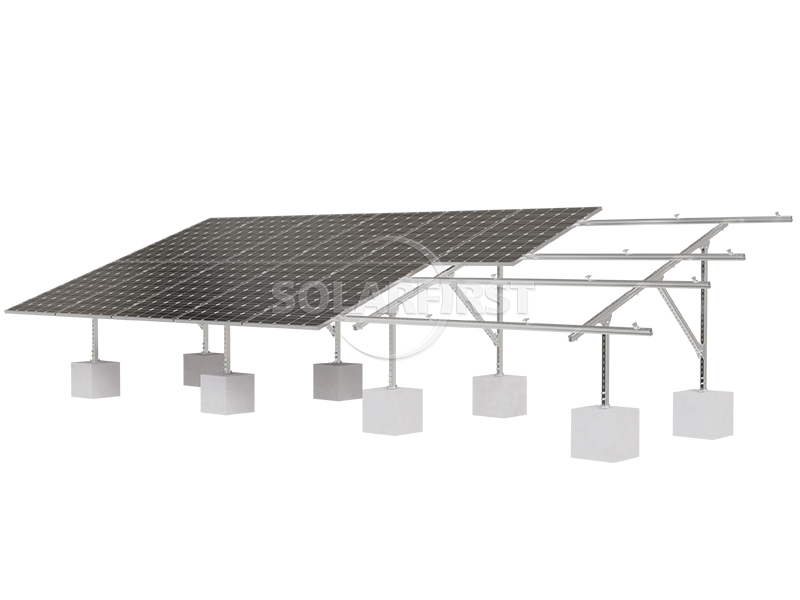
U steel is a core load-bearing component of ground-mounted photovoltaic mounting systems and belongs to a type of cold-formed thin-walled steel. Its cross-section is U shaped, with inward lips on both sides.
Read More
 en
en fr
fr de
de zh-CN
zh-CN ru
ru es
es pt
pt ja
ja ko
ko ar
ar