Leave A Message
If you are interested in our products and want to know more details,please leave a message here,we will reply you as soon as we can.


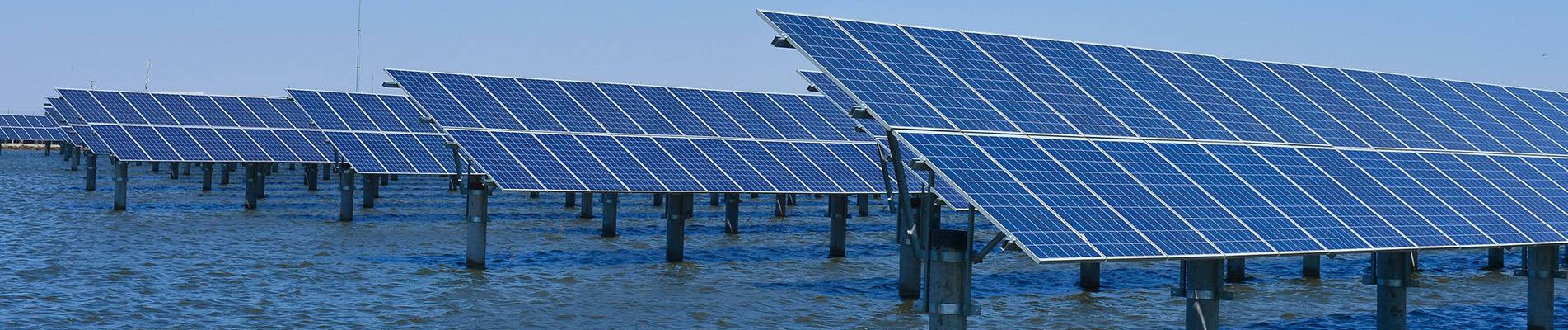
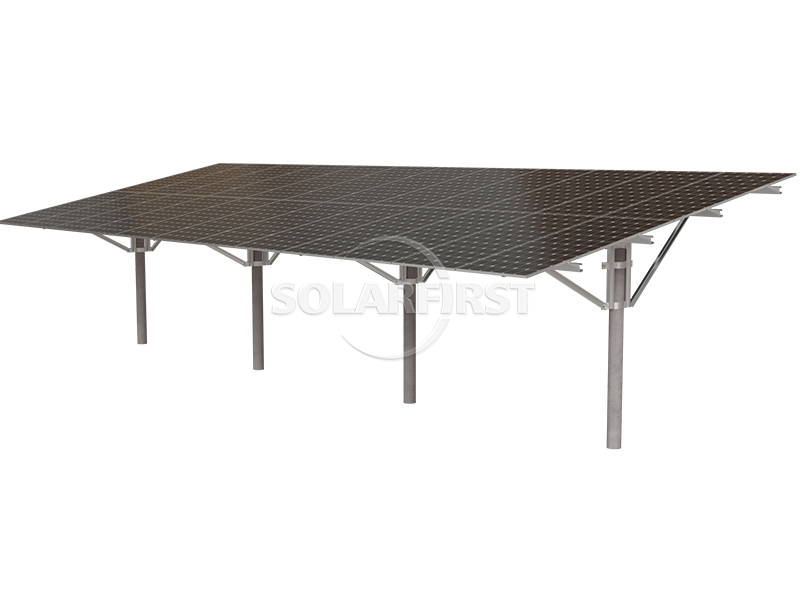

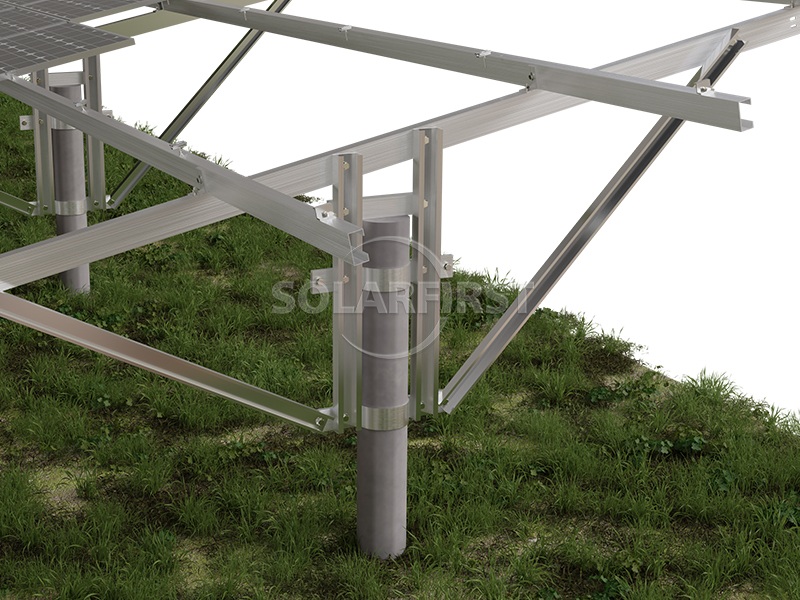
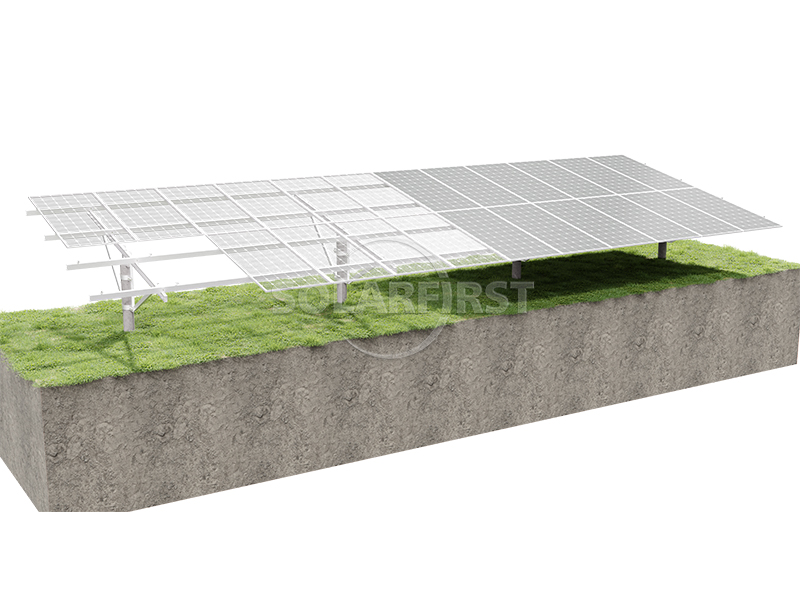
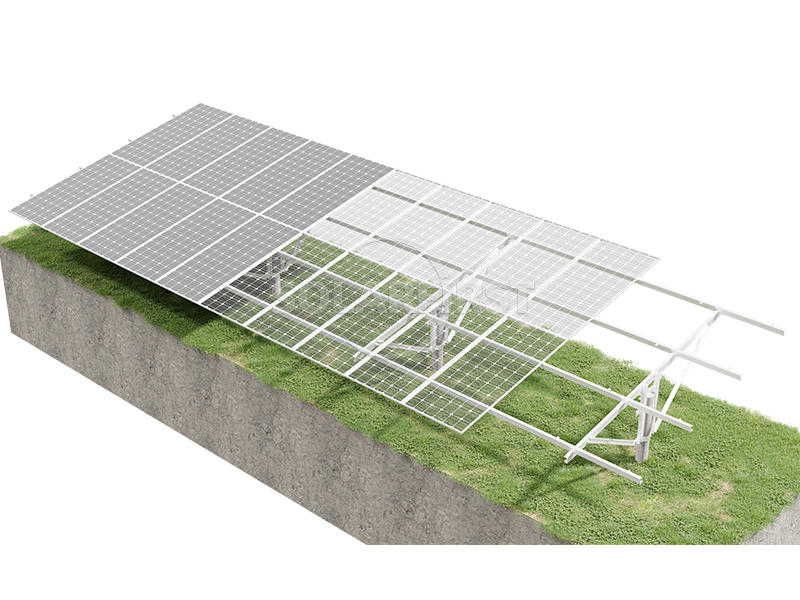
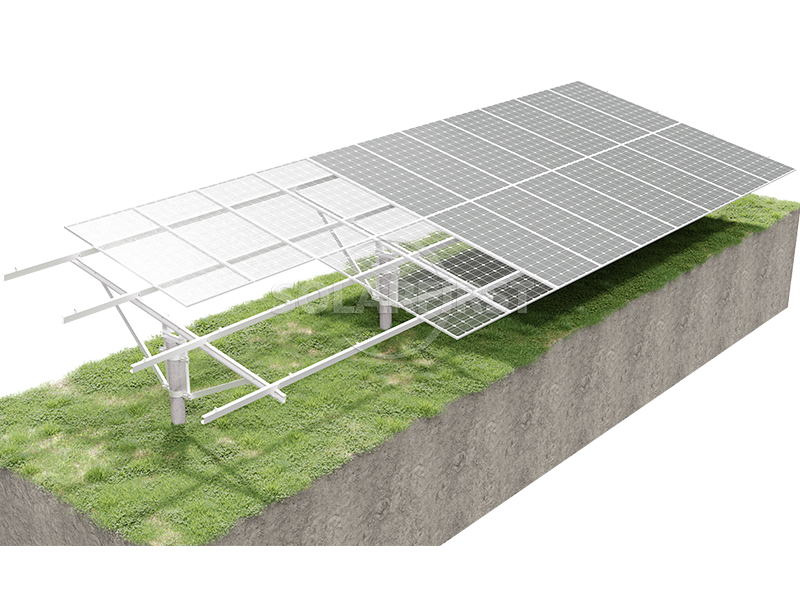
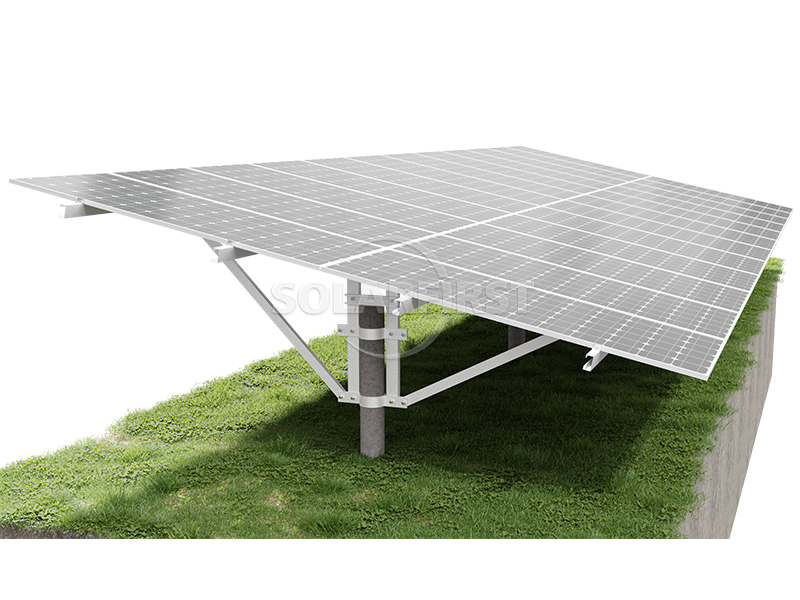
Carbon steel solar module ground mounting system integrated prestressed high-strength concrete piles (PHC piles) as the foundation.
Color :
Silver (hot-dip galvanized) / Silver-gray (zinc-aluminum-magnesium coated)Certification :
CE, TÜV, ISO9001, SGSMaterial :
Hot Dip Galvanized Steel, Zn-Al-Mg pre-coated steel, Stainless Steel SUS304Product Origin :
Tianjin, FujianShipping Port :
Shanghai, Ningbo, Tianjin, Xiamen, Shenzhen ports
Product Description
The carbon steel ground mounting system with PHC piles - is an integrated structure combining prestressed high-strength concrete piles (PHC piles, or spun pile) (round or square) as the foundation. PHC piles are driven into the ground via static pressure driving or hammer driving, replacing traditional concrete block foundations. The upper steel structure uses galvanized steel or zinc-aluminum-magnesium (ZAM) coated steel with high anti-corrosion capability to fix the solar photovoltaic modules.
This product combines the high load-bearing capacity, strong bending resistance, and rapid and environmentally friendly construction of PHC piles, with the high strength, controllable cost. It is currently the preferred foundation solution for large-scale ground-mounted power plants, especially for projects involving fisheries-solar integration and soft soil areas.
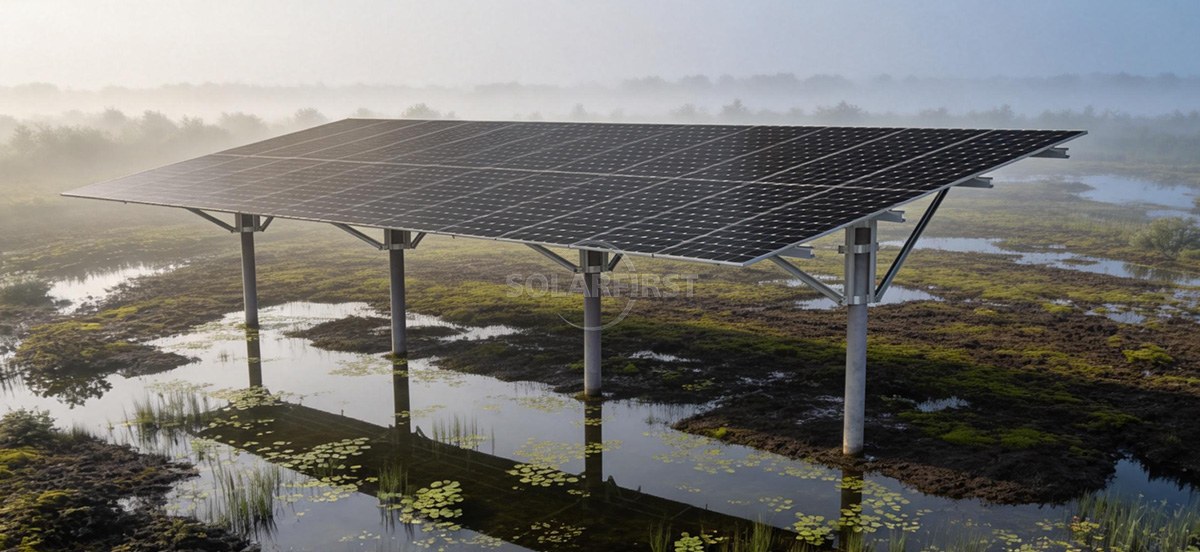
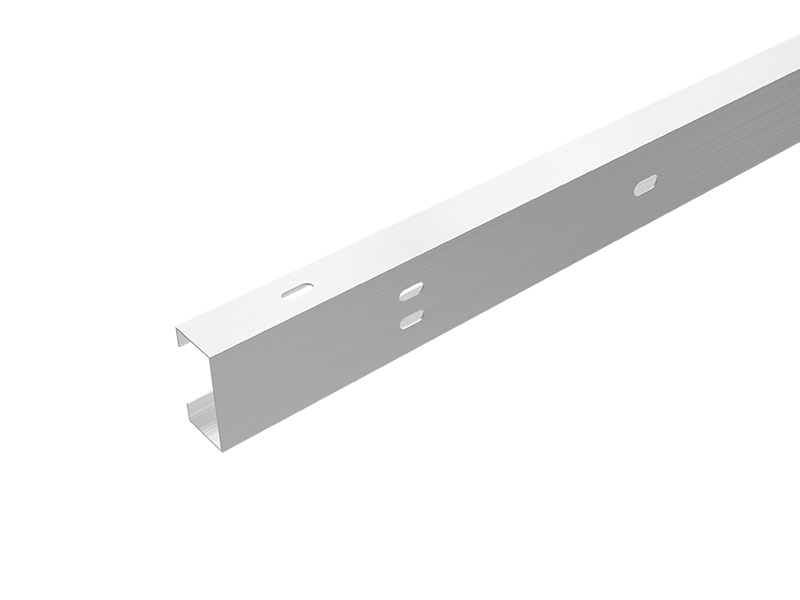
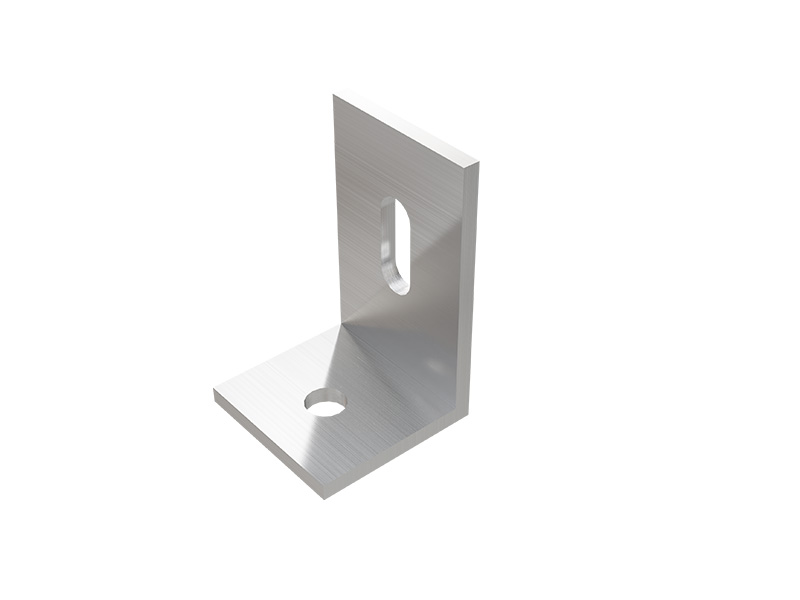
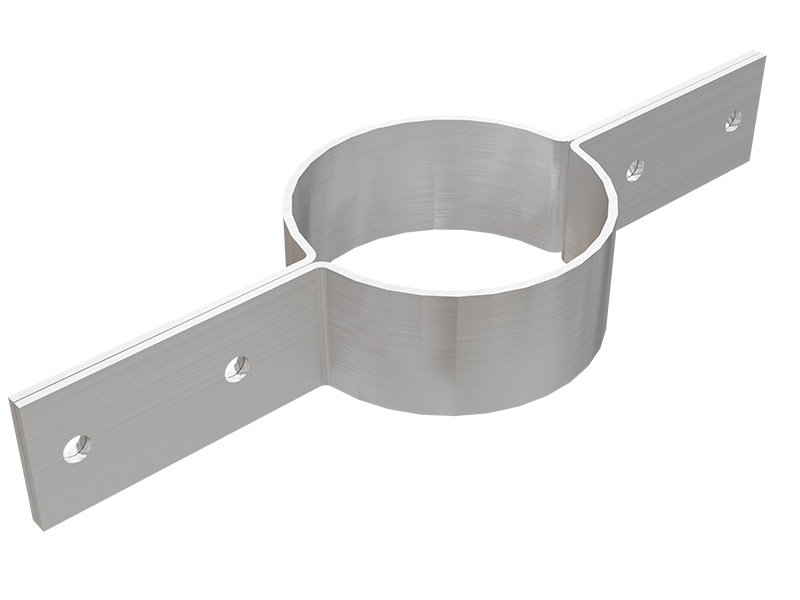
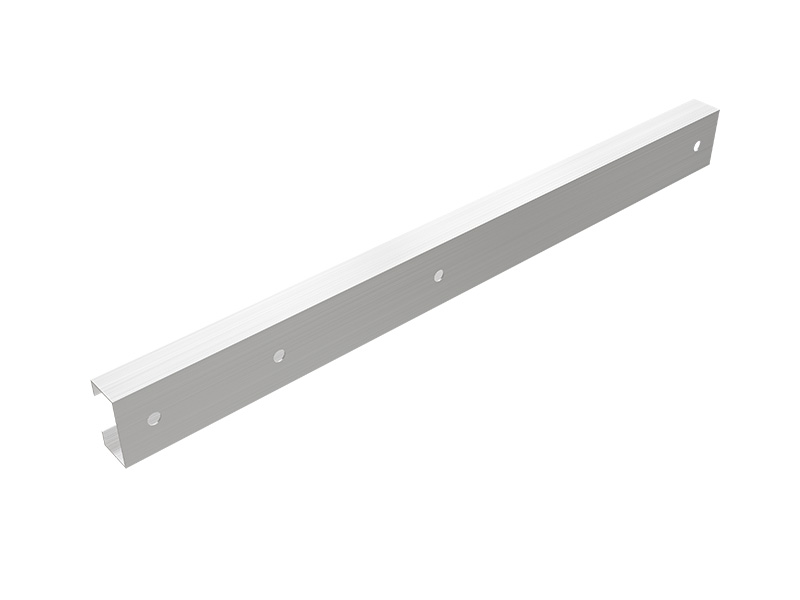
Product Components
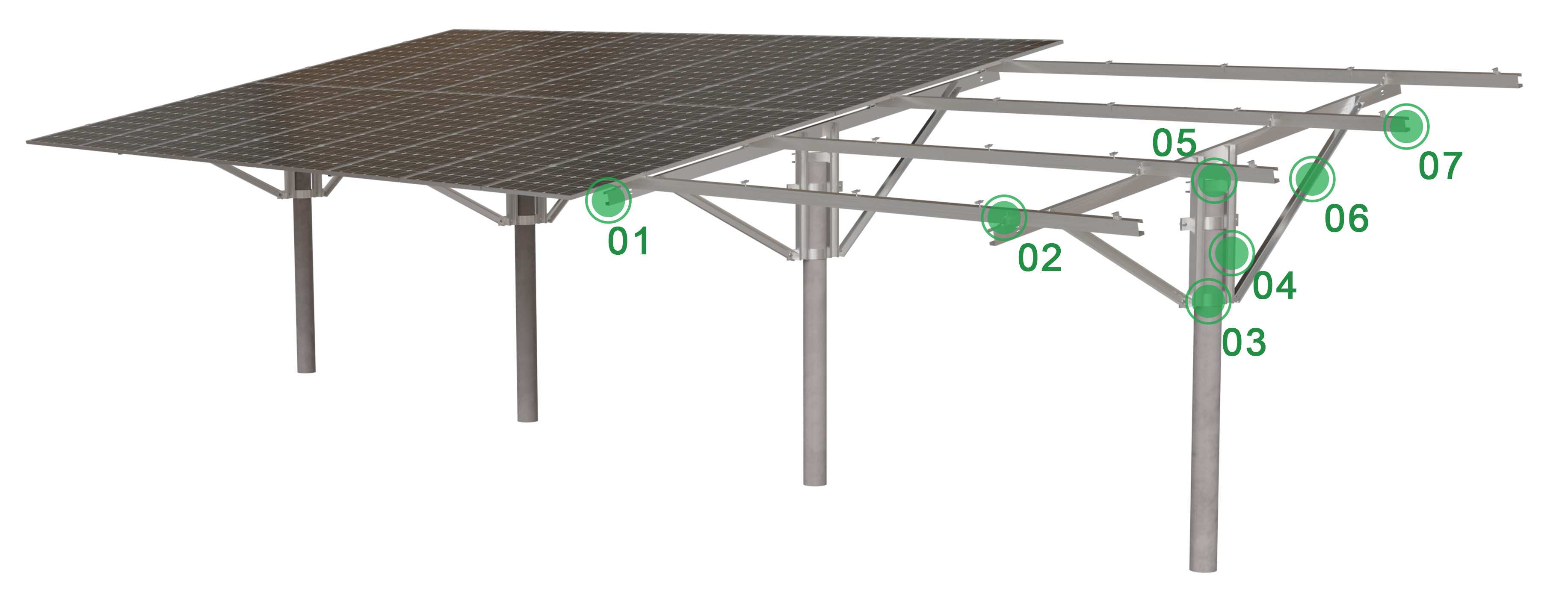
Advantage
▶ High bearing capacity and minimal deformation:
PHC piles (round or square) utilize high-strength concrete and prestressed steel bars, exhibiting significantly superior compressive, tensile, and horizontal force resistance compared to ordinary cast-in-place piles. Crack control within the pile body is also rigorous.
▶ Rapid construction and short construction period:
Utilizing static pressure or diesel hammer pile drivers, a single machine can complete 100-300 piles per day. No concrete curing on site is required, and mounting structures can be installed immediately.
▶ Environmentally friendly:
Excavation-free, no mud discharge, low noise (static pressure method), and minimal disturbance to water bodies and soil, making it particularly suitable for ecologically sensitive areas.
▶ Overall cost advantage:
In soft soil areas, compared to bored cast-in-place piles, PHC pipe pile foundations can save 20%-30% in cost, with significant benefits from shorter construction periods.
▶ Adaptable to large-span supports:
The carbon steel supports have high rigidity, and when combined with the high bending resistance of PHC pipe piles, larger pile spacing can be achieved, reducing the number of piles used.
Parameters
| Installation | Ground |
| Foundation | Pile Mount / High Concrete Pile (H≥600mm) |
| Wind Load | up to 60m/s |
| Snow Load | 1.4kn/m² |
| Standards | GB50009-2012, EN1990:2002, ASCE7-05, AS/NZS1170, JIS C8955:2017,GB50017-2017 |
| Material | Hot Dip Galvanized Steel, Zn-Al-Mg pre-coated steel, Stainless Steel SUS304 |
| Warranty | 10 Years Warranty |
Spun Pile
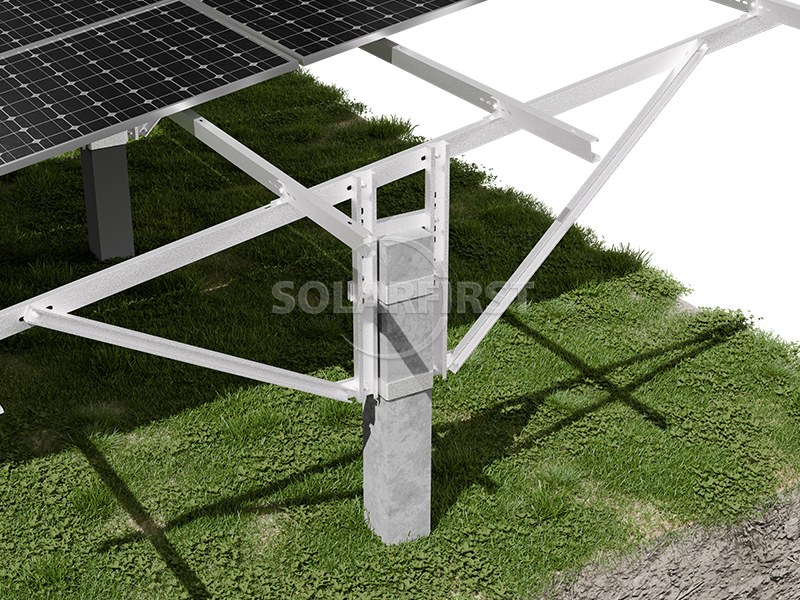
Square Spun Pile
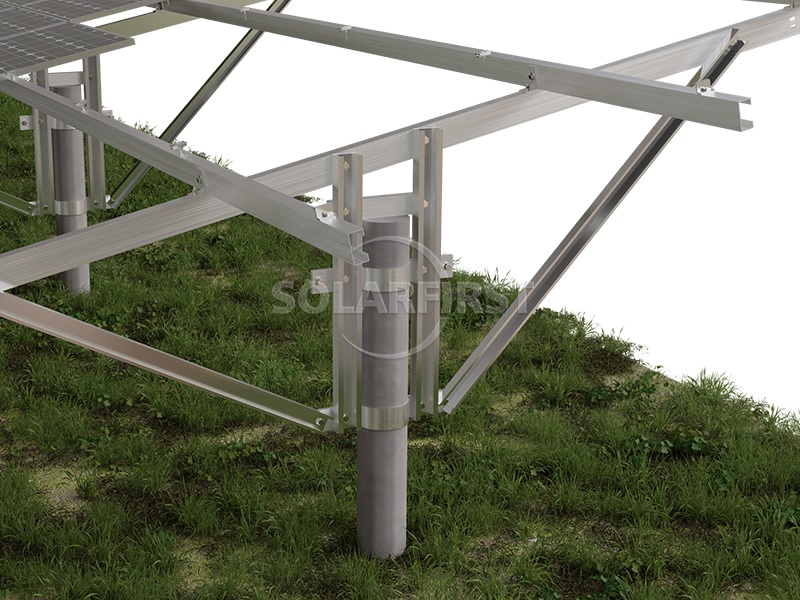
Round Spun Pile
Applicable Scenarios
▪ Solar-Aquaculture Hybrid Power Stations:
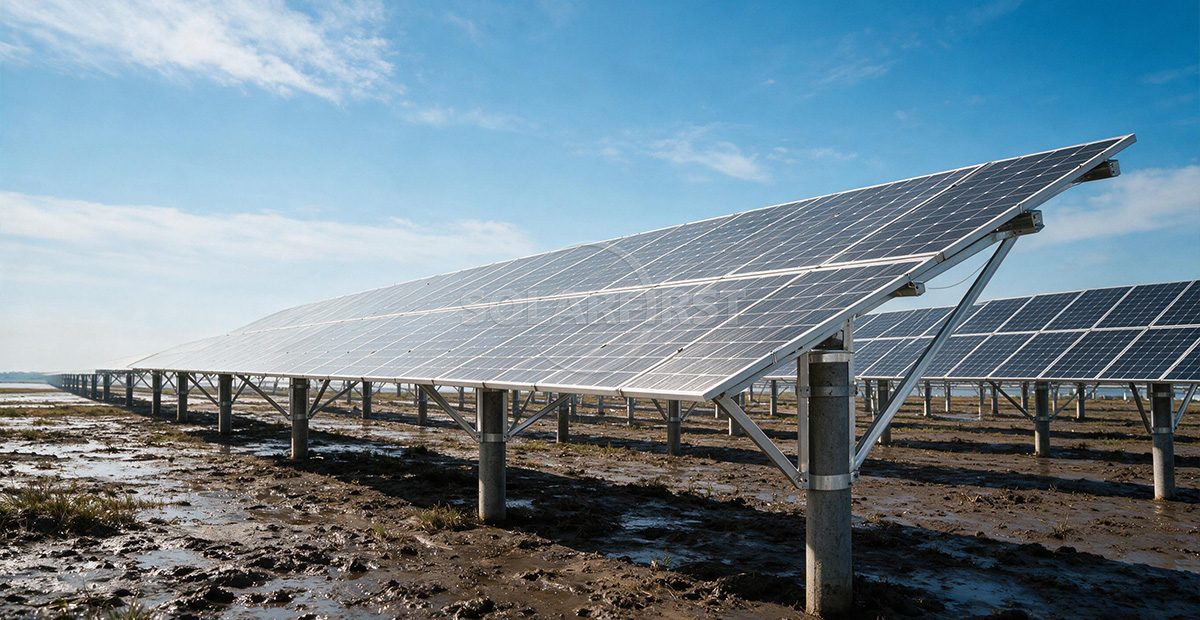
In fishponds, shrimp ponds, and other aquatic areas where conventional foundation excavation is difficult, PHC pipe piles can be installed directly on the water surface. The piles are corrosion-resistant and freeze-thaw resistant, without affecting aquaculture.
▪ Tidal Flats, Swamps, and Floodplains:
In areas with high groundwater levels and soft soil, excavation is prone to collapse. PHC pipe piles are driven in, eliminating the need for dewatering.
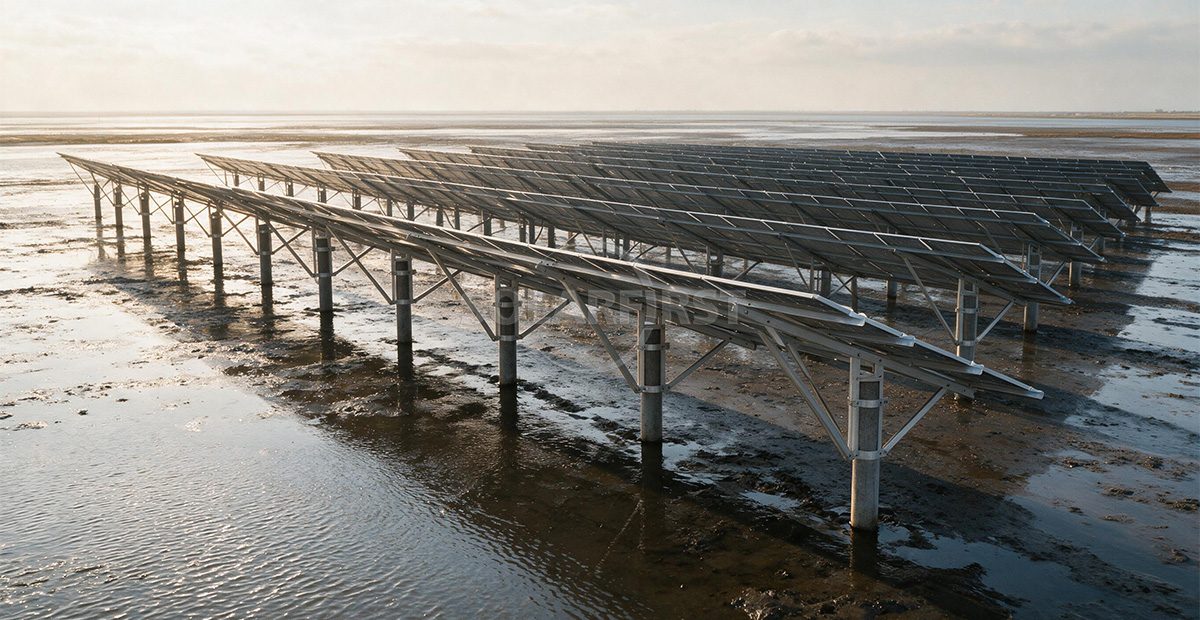
▪ Soft Soil and Silt Areas:
In coastal alluvial plains and lacustrine sedimentary areas, PHC pipe piles provide reliable support through lateral friction and end bearing capacity.
▪ Mountainous and Hilly Areas:
In areas with gentle slopes and thin topsoil, extensive earthwork can be avoided, reducing ecological disturbance.
▪ Agricultural/Pastoral Solar Hybrid Power Stations:
By raising the height of the photovoltaic panels, the space below can be used for planting or grazing. PHC piles cause minimal damage to the topsoil.
Applicable Soil Type
▪ Soft to plastic cohesive soil: Good side friction, easy pile driving.
▪ Silt, silty sand: Medium to dense silt can provide high bearing capacity, but requires a high-powered piling machine.
▪ Silt, silty soil: Friction pile design, requires sufficient pile length, but pile buckling stability must be verified.
▪ Loose to medium-dense sand: Good bearing layer at the pile tip, pay attention to pile tip selection (open/closed).
Notes for Attention
▶ Geological Investigation is Mandatory:
The selection of PHC piles and their driving depth rely entirely on geological data (distribution of soil layers, SPT blow count, side friction, etc.), and estimations only based on experience are strictly prohibited.
▶ Strict Control of the Piling Process:
Prevent pile cracking, displacement, or breakage. Record the final penetration depth or driving force for each pile, ensuring it meets design standards for hammer removal.
▶ Avoid Over-excavation and Negative Skin Friction:
When backfilling the site after construction or when there are significant changes in groundwater levels, the impact of negative skin friction must be assessed, and coating isolation measures should be implemented if necessary.
▶ Transportation and Lifting Protection:
PHC pipe piles are slender components; therefore, special brackets are required for transportation and stacking to prevent collisions and cracks. Lifting should employ two-point lifting or specialized clamps.
▶ Design Phase Coordination of Support and Pile Location:
The centerline of the support column should coincide with the centerline of the PHC pile to avoid excessive eccentric bending moment. If a clamp-type connection is used, sufficient space must be reserved for tightening.
Summary
The photovoltaic mounting structure pile foundation is an indispensable component in modern photovoltaic power stations, especially in large-scale ground power station projects. It has the advantages of high bearing capacity, fast construction, and low environmental impact. Different types of pipe piles are suitable for different geological conditions and project requirements due to their respective characteristics.
Solar First Project Reference
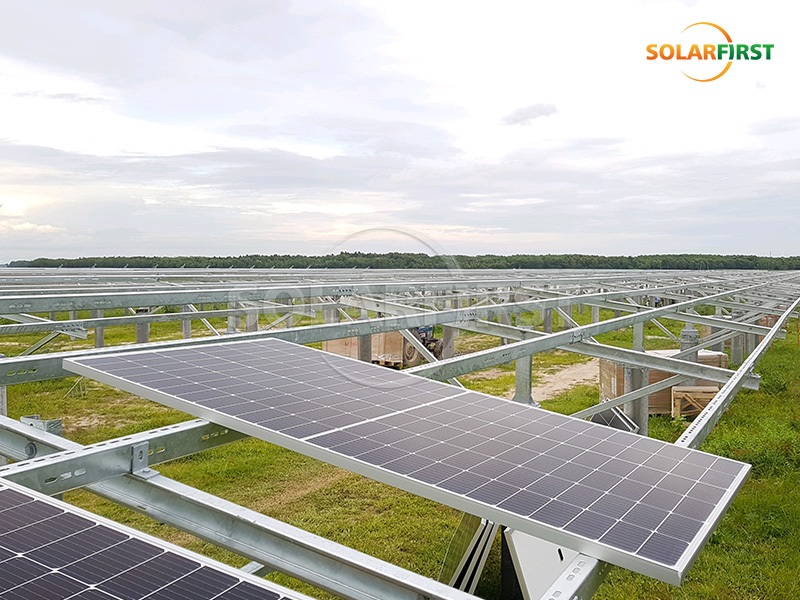
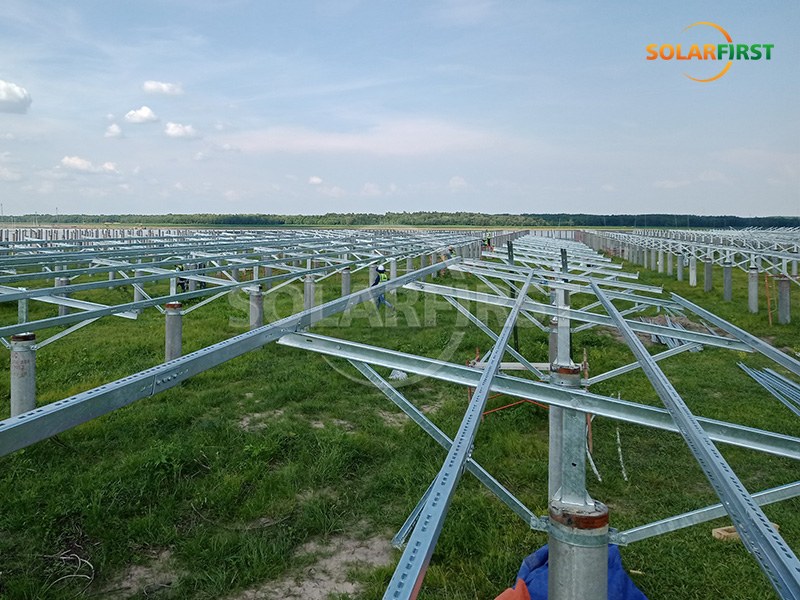
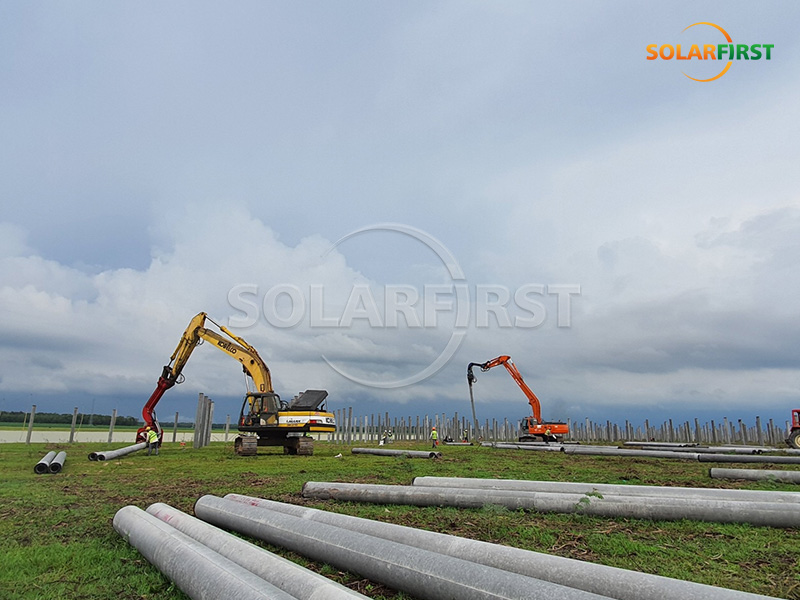
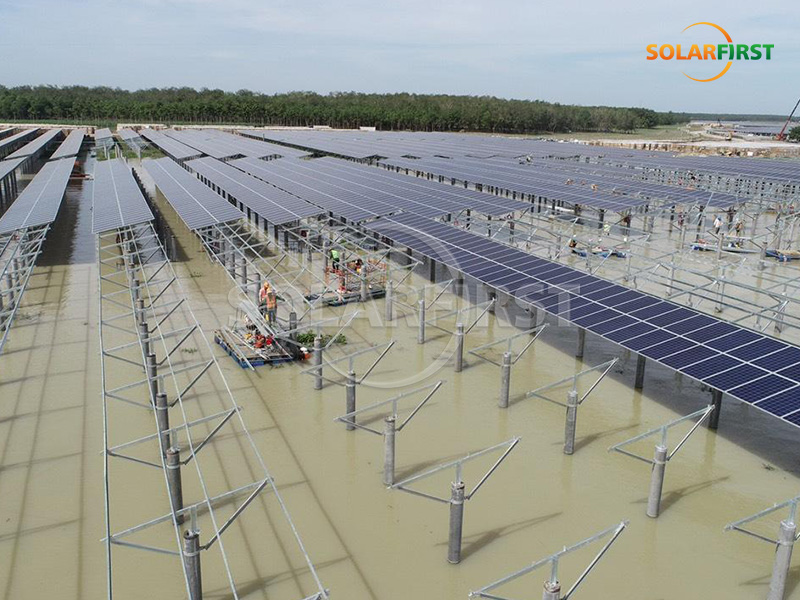
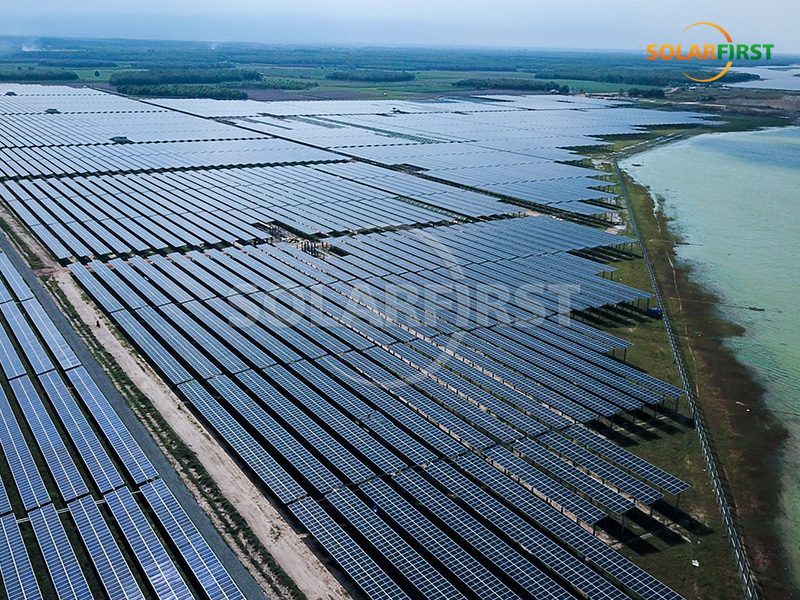
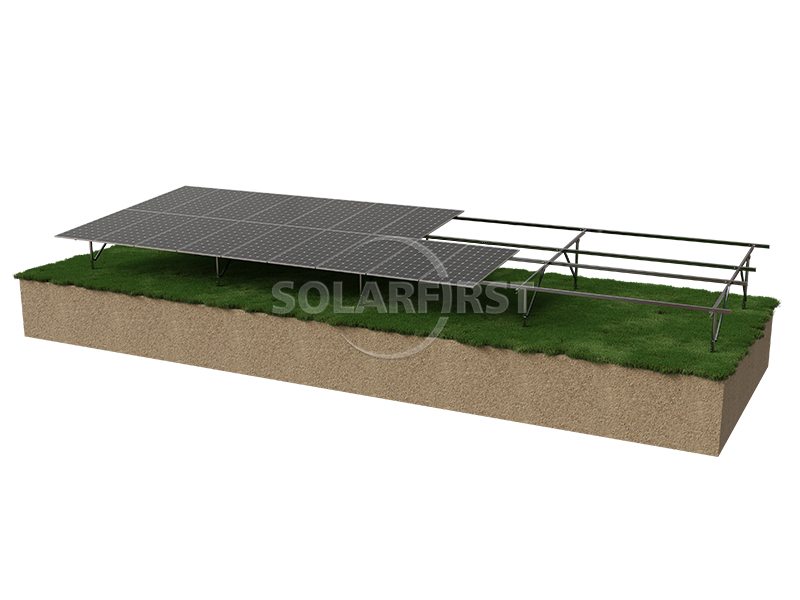
Carbon steel ground solar module mounting strucutre - ground screw pile foundation: The core material is galvanized or Zn-Al-Mg coated steel. It consists of screw piles buried underground, and the mounting structure above ground. The ground screw pile is installed by piling machine by screwing into the soil to serve as the load-bearing foundation for the photovoltaic array. All components are treated with hot-dip galvanizing or ZAM coating, achieving full metal connection.
Read More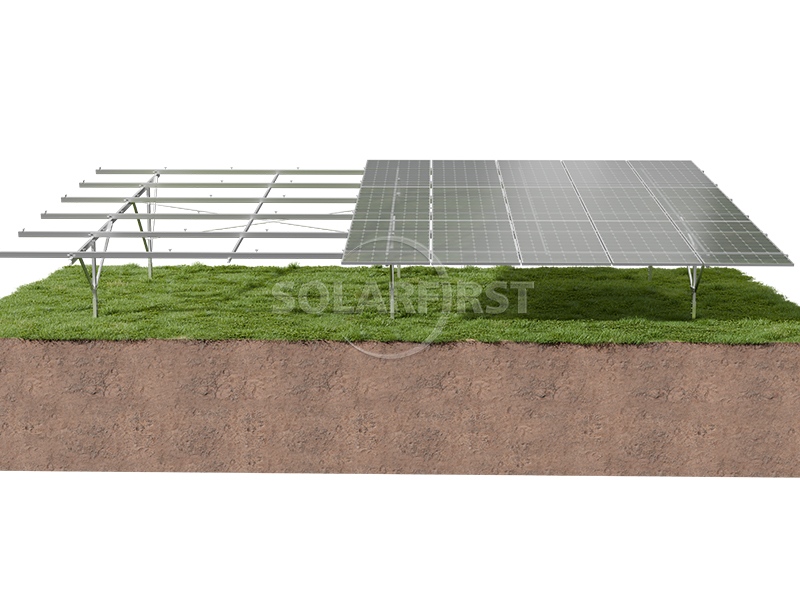
The ramming pile ground solar module mounting systems are PV mounting structure where foundation piles are driven directly into the soil using piling machine.
Read More
Carbon steel solar module ground mounting system integrated prestressed high-strength concrete piles (PHC piles) as the foundation.
Read More
The aluminum alloy spiral ground anchor-based photovoltaic support system adopts the "rotational insertion installation" and "fully aluminum anti-corrosion" design, providing a ground installation solution with lower environmental impact and higher construction efficiency for small and medium-sized photovoltaic projects.
Read More
Aluminum alloy ground photovoltaic mounting system - concrete foundation solution refers to a mounting structure that uses high-strength aluminum alloy as the main structural material and concrete blocks cast on-site or prefabricated as the load-bearing foundation, and is used to fix solar photovoltaic modules in open areas on the ground.
Read More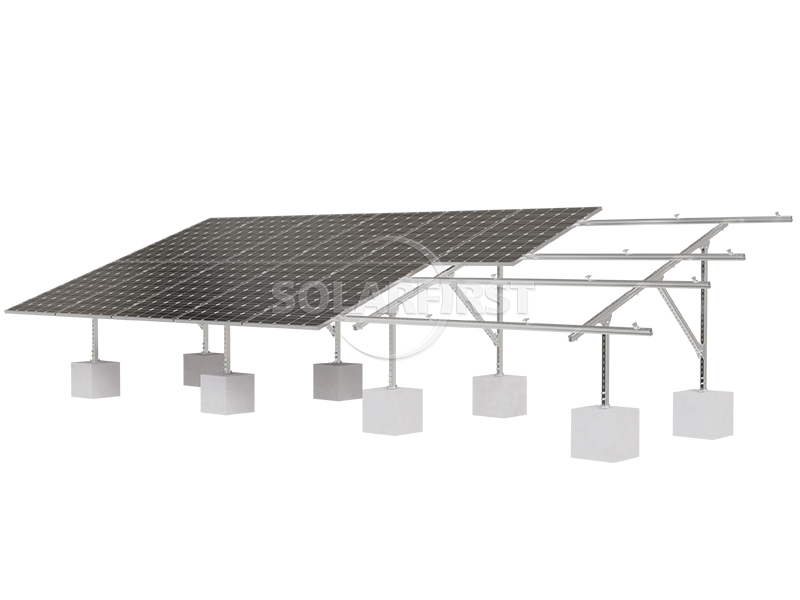
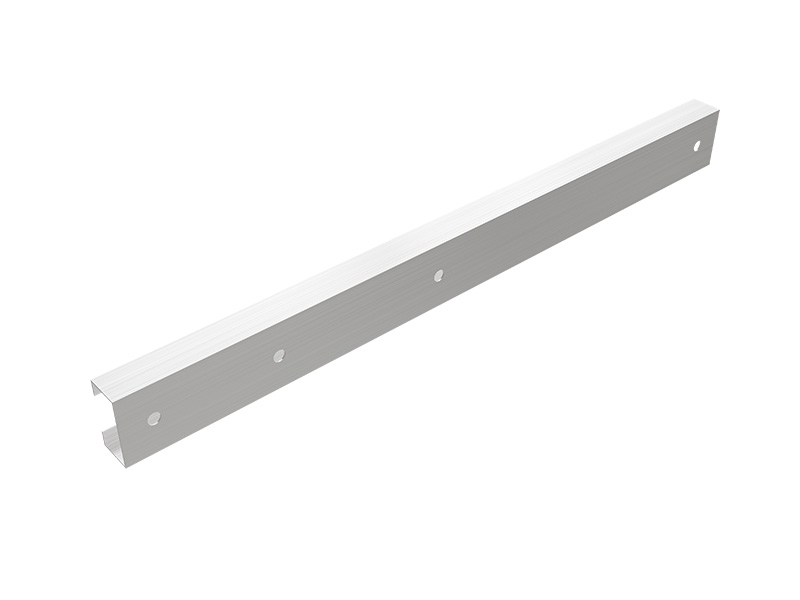
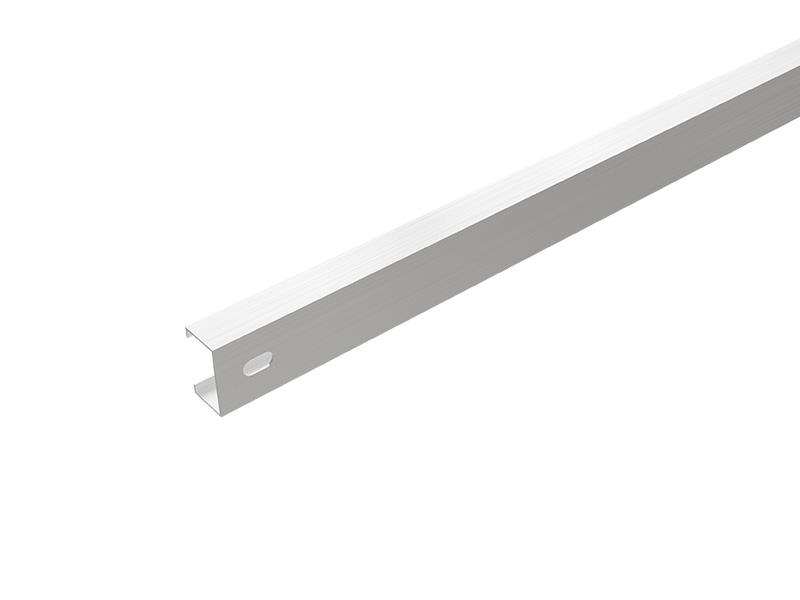
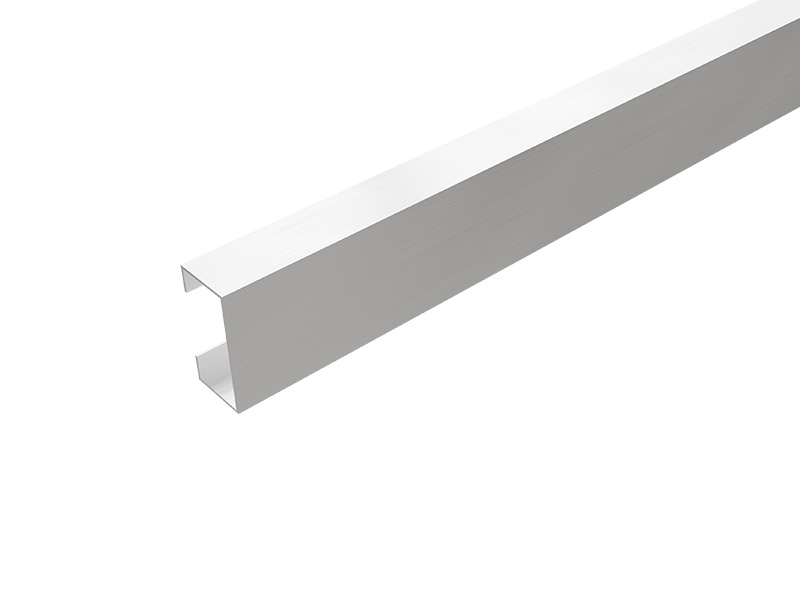
U steel is a core load-bearing component of ground-mounted photovoltaic mounting systems and belongs to a type of cold-formed thin-walled steel. Its cross-section is U shaped, with inward lips on both sides.
Read More
 en
en fr
fr de
de zh-CN
zh-CN ru
ru es
es pt
pt ja
ja ko
ko ar
ar