Leave A Message
If you are interested in our products and want to know more details,please leave a message here,we will reply you as soon as we can.


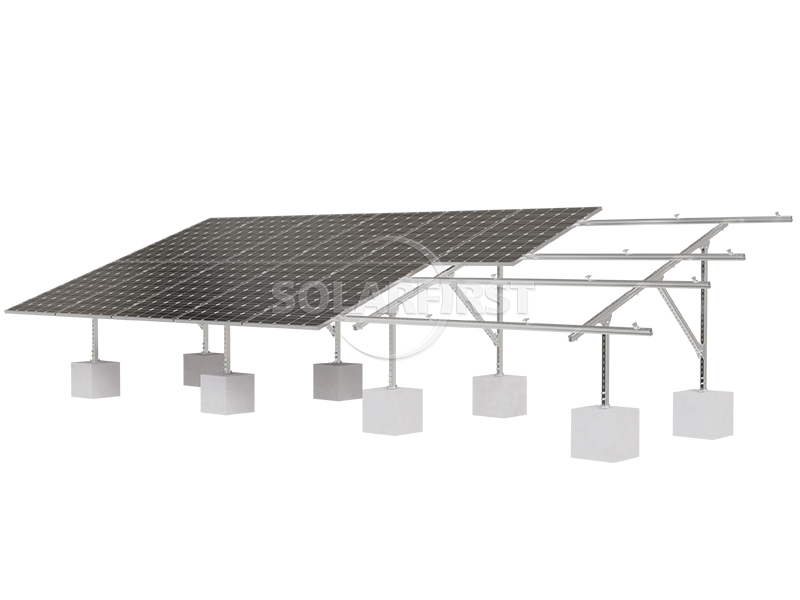


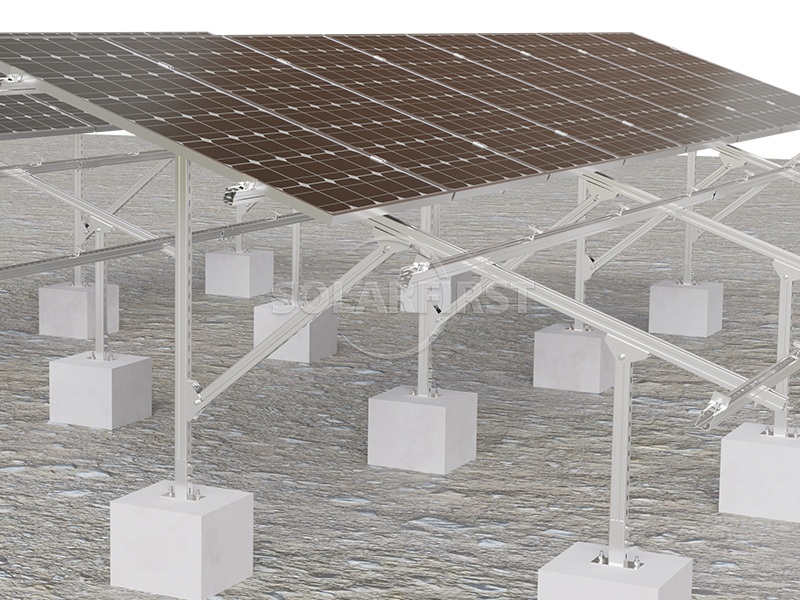
U steel is a core load-bearing component of ground-mounted photovoltaic mounting systems and belongs to a type of cold-formed thin-walled steel. Its cross-section is U shaped, with inward lips on both sides.
Color :
Silver (hot-dip galvanized) / Silver-gray (zinc-aluminum-magnesium coated)Certification :
CE, TÜV, ISO9001, SGSMaterial :
Hot Dip Galvanized Steel, Zn-Al-Mg pre-coated steel, Stainless Steel SUS304Product Origin :
Tianjin, FujianShipping Port :
Shanghai, Ningbo, Tianjin, Xiamen, Shenzhen ports
Product Description
The U steel is a core load-bearing component of a ground-mounted photovoltaic (PV) support system, belonging to the category of cold-formed thin-walled steel. Its cross-section is U shaped, with inward lip on both sides and reinforced ribs, and it is also known as a "strut channel." This product is typically made from steel roll or strips, processed by a continuous cold forming machine, with hot-dip galvanized or zinc-aluminum-magnesium galvanized surface treatment according to corrosion protection requirements.

Product Components
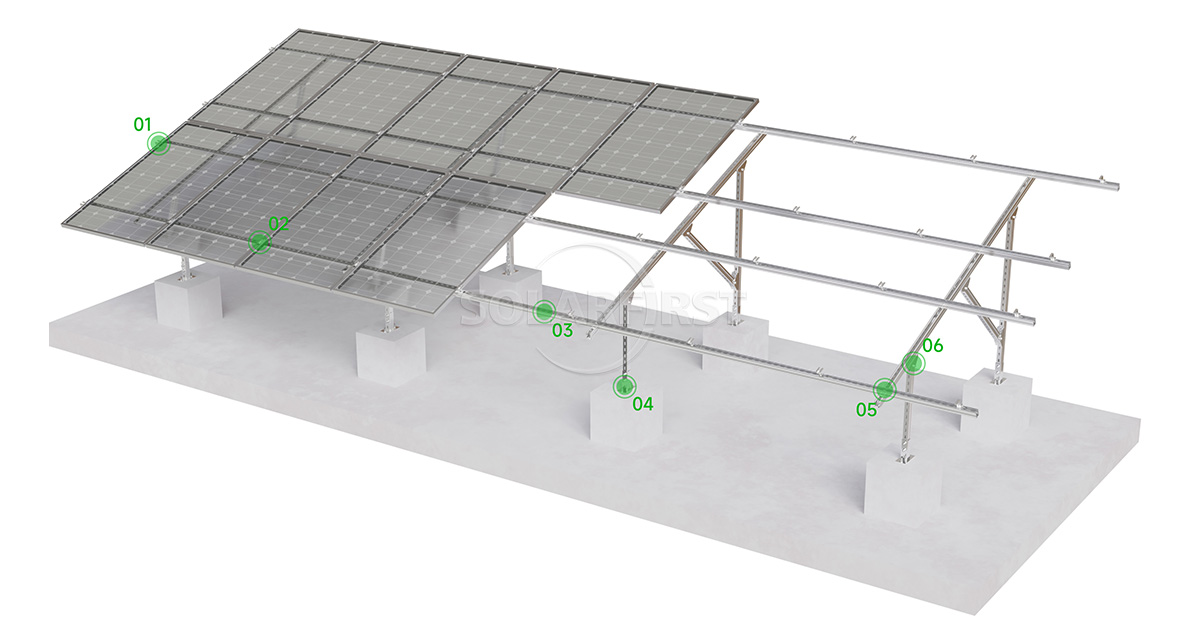

01 End Clamp Kit
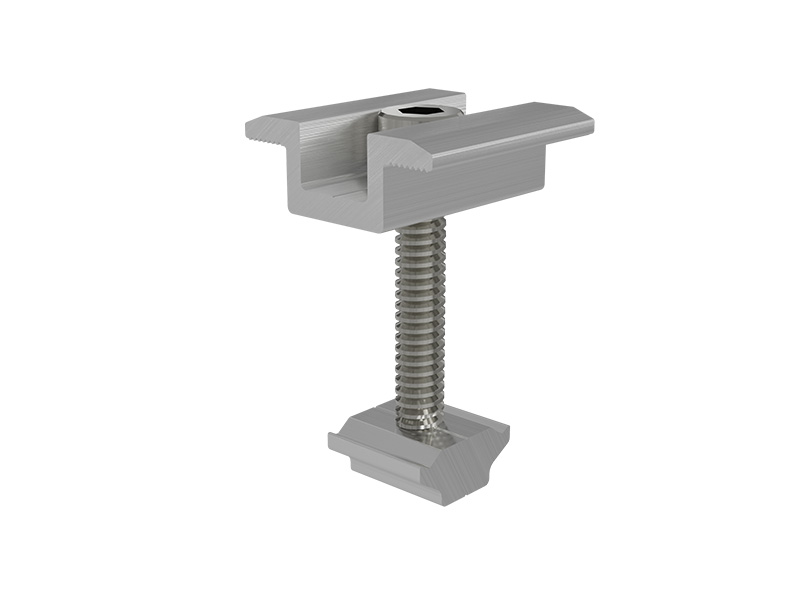
02 Mid Clamp Kit

03 Rail
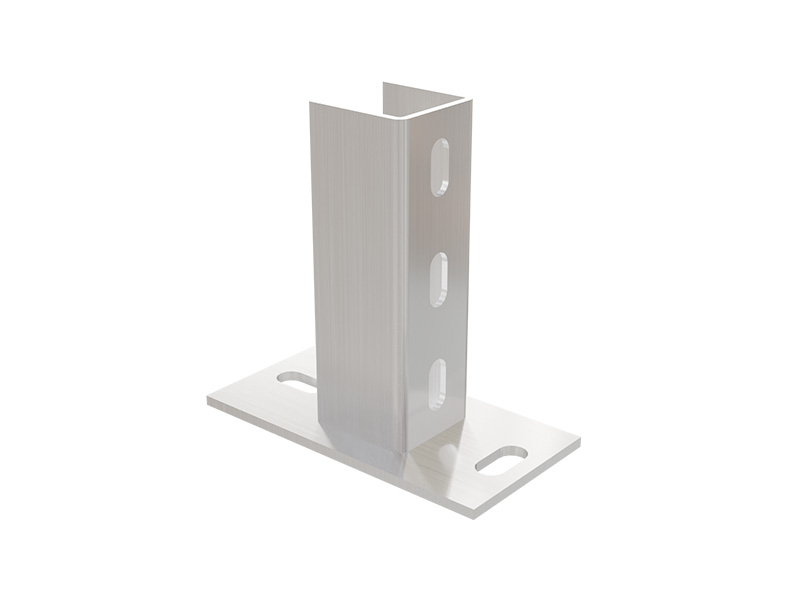
04 Base
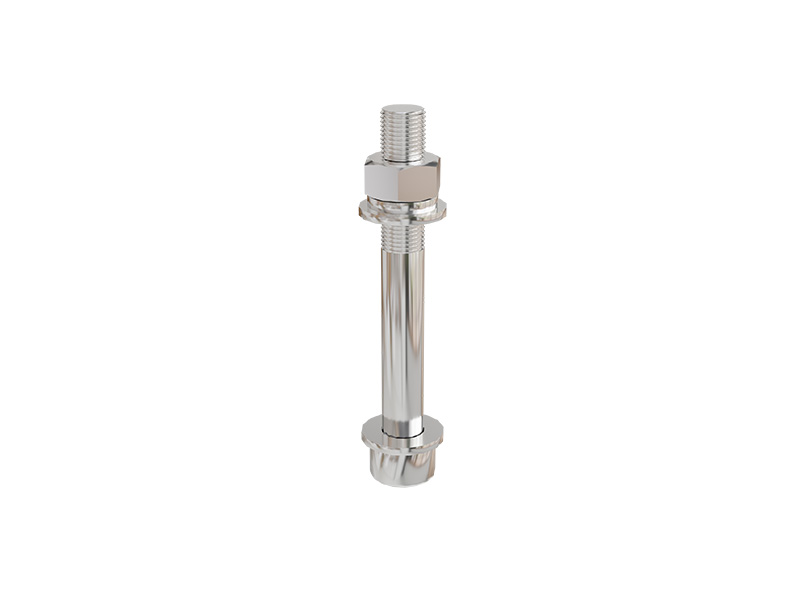
05 Screw
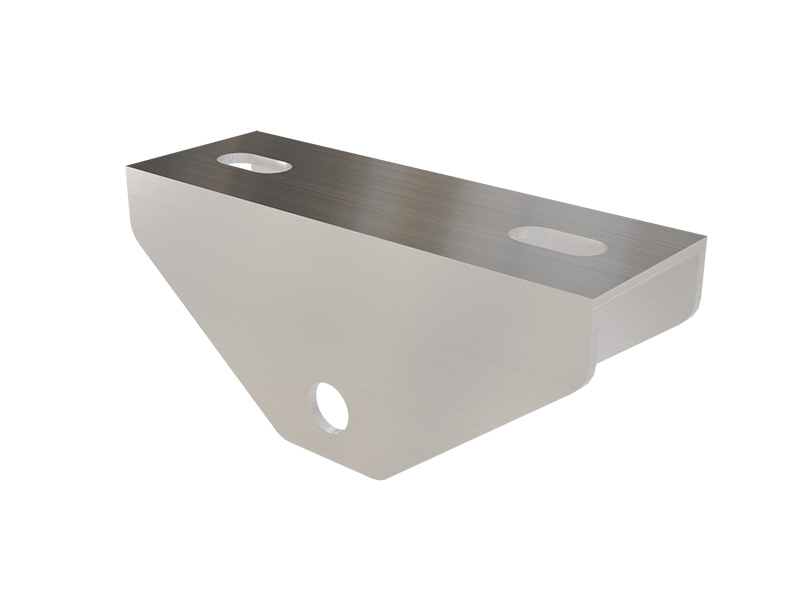
06 Triangle Connector
Advantage
▶ High structural strength and low steel consumption:
The rolled-edge reinforced section design significantly improves the bending, torsional, and buckling resistance of the components. Compared to ordinary open-section steel, it can save approximately 20%-30% of steel while maintaining the same strength, effectively reducing the cost of the support system.
▶ Excellent corrosion resistance:
Mainstream applications use hot-dip galvanizing or more advanced zinc-aluminum-magnesium (ZAM) coating processes. Zinc-aluminum-magnesium coating features self-healing cuts, scratch resistance, ammonia resistance, and higher resistance to sea salt spray corrosion, meeting the 25+ year service life requirements of photovoltaic power plants.
▶ Convenient installation and strong adaptability:
With dedicated connectors, spring nuts, and bolts, a fully bolted connection can be achieved, eliminating the need for on-site welding. The slot holes (or oblong holes) on the bottom allow for flexible adjustment to accommodate uneven ground and installation errors.
▶ Easy transportation and stacking:
The steel sections can be stacked, occupying minimal space; the standard 6-meter length facilitates transportation by ordinary trucks, and proper cutting can reduce on-site secondary processing.
Parameters
| Installation | Ground |
| Foundation | Screw Pile/Concrete |
| Wind Load | up to 60m/s |
| Snow Load | 1.4kn/m² |
| Standards | GB50009-2012, EN1990:2002, ASE7-05, AS/NZS1170, JIS C8955:2017, GB50429-2007 |
| Material | Anodized Aluminum AL6005-T5, Hot Dip Galvanized Steel, Zn-Al-Mg pre-coated steel, Stainless Steel SUS304 |
| Warranty | 10 Years Warranty |
Applicable Scenarios
▪ Large-scale centralized ground-mounted power stations:
Used as main load-bearing purlins and diagonal braces in open areas such as flat land, grasslands, deserts forming single-column or double-column support systems.
▪ Commercial and residential ground-mounted photovoltaic systems:
Used as columns, diagonal beams, and horizontal braces in small to medium-sized ground-mounted projects such as industry areas, idle rural land, and around agricultural greenhouses.
▪ Concrete flat roofs:
Used in conjunction with ballast foundations as inclined or flat purlins supporting photovoltaic modules.
▪ Aquaculture-solar hybrid and agricultural-solar hybrid systems:
Used as the main load-bearing profile when the overhead height is high, effectively resisting wind loads and corrosion from long-term humid environments (requires galvanized aluminum-magnesium coating or other reinforced anti-corrosion treatment).
▪ Mountainous and sloping terrain:
Adaptable to terrain slopes of 5-15° by adjusting the height difference between the front and rear columns and using the
Applicable Soil Type
The U steel mounting system is suitable for almost all soil types because its load is transferred through the foundation. For foundation construction, the following soil types are ideal:
▪ Clay and silty clay: High bearing capacity, less prone to settlement, suitable for screw piles or precast piles.
▪ Gravelly sand: Good drainage, suitable for helical piles, rapid construction, and minimal disturbance.
▪ Compacted fill: For artificial foundations or old factory sites, concrete piles or micro-hole bored piles can be used.
▪ Loess and red soil (non-collapseable): Conventional screw piles are sufficient; no special treatment is required for the C-shaped steel support.
Geological Limitations to Consider
Although steel columns do not directly contact deep soil layers, the following geological conditions can affect foundation selection and cost, indirectly limiting their economic applicability:
▶ Rock or gravel soil layers:
If moderately weathered rock or large gravel appears below the surface, screw piles may not be driven in, and also cast in place concrete piles become difficult and costly. In this case, concrete counterweight foundations (concrete blocks) could be considered.
▶ Soft soil and silty soil:
These types of soil have extremely low bearing capacity and are prone to settlement. Longer spun piles or deeper cast-in-place piles are required.
▶ Collapseable loess:
Significant additional settlement occurs upon contact with water. Waterproofing or foundation treatment measures (such as a lime-soil cushion layer, soil tamping, or pre-soaking) are necessary; otherwise, uneven settlement of the foundation may deform the steel profile, causing microcracks in the photovoltaic modules.
▶ Frost-susceptible soils (silt, silty clay):
In cold regions, frost heave forces will lift the piles upwards. The pile foundation must be buried below the frost line, and the adjustment margin at the connection between the column and foundation must be increased.
Summary
U steel, with its high strength-to-weight ratio, excellent corrosion resistance, and flexible installation adjustment capabilities, has become the most mainstream secondary and primary structural profile in ground-mounted photovoltaic (PV) mounting systems. Its cold-bent, rolled-edge cross-section design achieves a balance between reduced steel consumption and load-bearing capacity, making it suitable for most application scenarios, from plains to mountains, and from ordinary soil to mildly corrosive environments.
The combination of high-strength steel and ultra-corrosion resistant coatings (zinc-aluminum-magnesium) aims to further reduce the total life cycle cost, while improving the power plant's ability to cope with extreme weather.
Solar First Project Reference

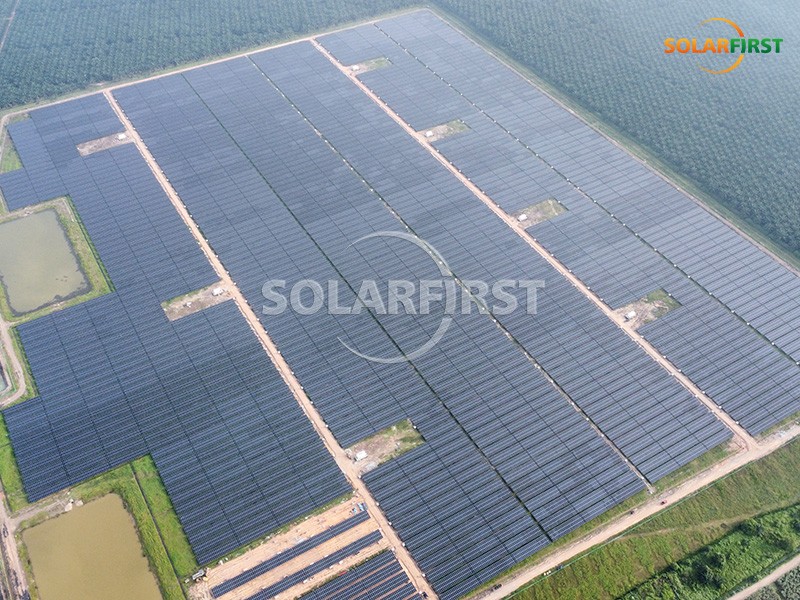
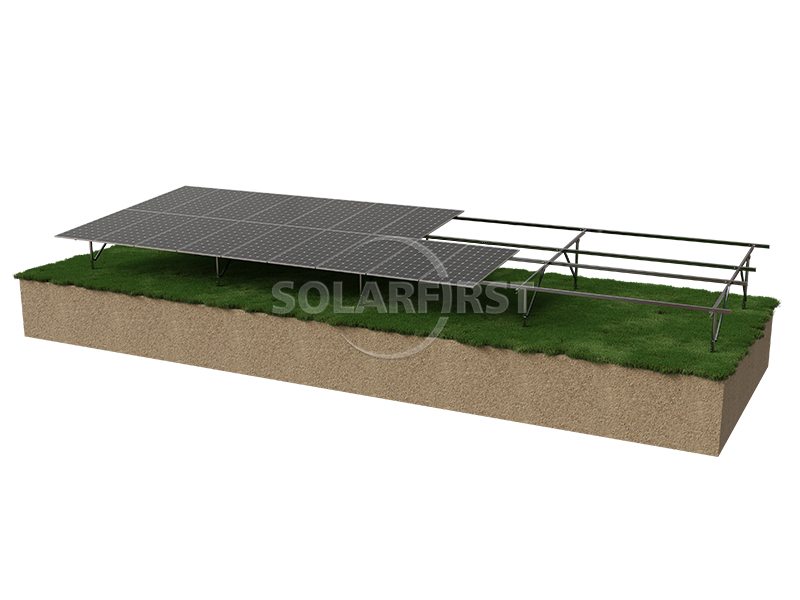
Carbon steel ground solar module mounting strucutre - ground screw pile foundation: The core material is galvanized or Zn-Al-Mg coated steel. It consists of screw piles buried underground, and the mounting structure above ground. The ground screw pile is installed by piling machine by screwing into the soil to serve as the load-bearing foundation for the photovoltaic array. All components are treated with hot-dip galvanizing or ZAM coating, achieving full metal connection.
Read More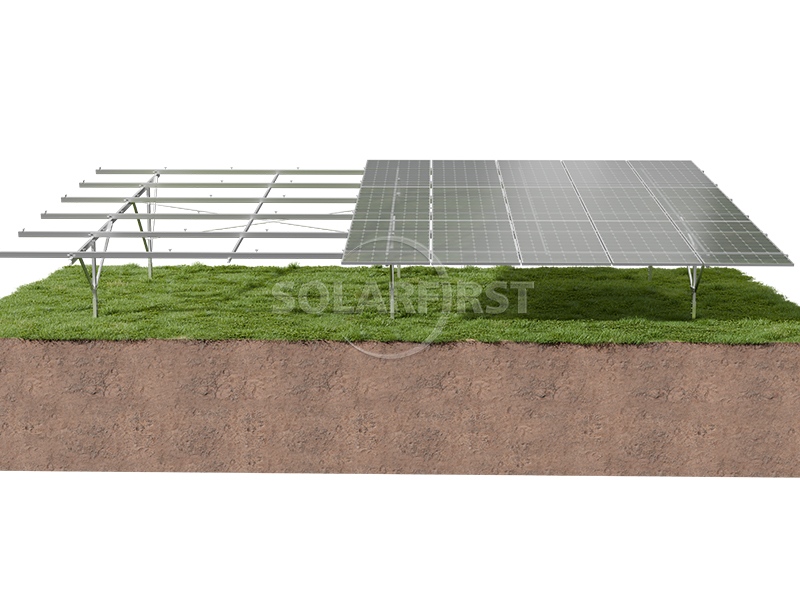
The ramming pile ground solar module mounting systems are PV mounting structure where foundation piles are driven directly into the soil using piling machine.
Read More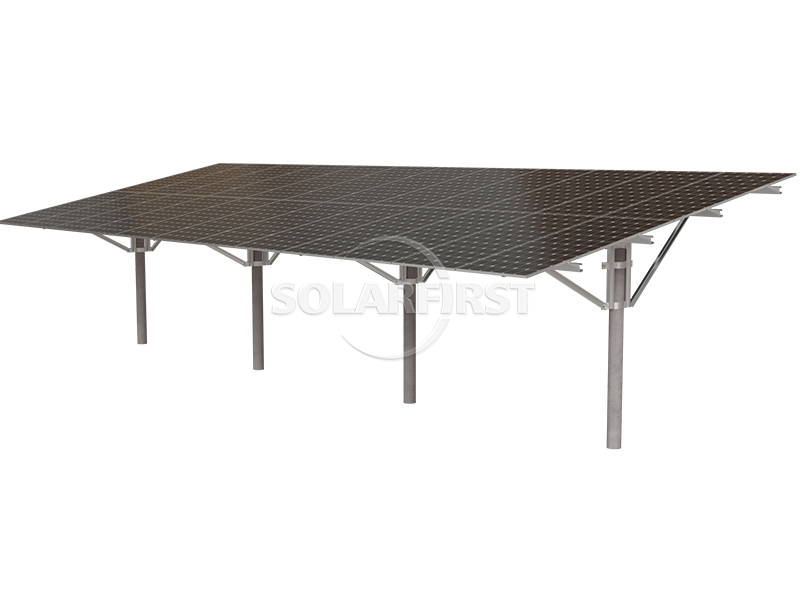
Carbon steel solar module ground mounting system integrated prestressed high-strength concrete piles (PHC piles) as the foundation.
Read More
The aluminum alloy spiral ground anchor-based photovoltaic support system adopts the "rotational insertion installation" and "fully aluminum anti-corrosion" design, providing a ground installation solution with lower environmental impact and higher construction efficiency for small and medium-sized photovoltaic projects.
Read More
Aluminum alloy ground photovoltaic mounting system - concrete foundation solution refers to a mounting structure that uses high-strength aluminum alloy as the main structural material and concrete blocks cast on-site or prefabricated as the load-bearing foundation, and is used to fix solar photovoltaic modules in open areas on the ground.
Read More
U steel is a core load-bearing component of ground-mounted photovoltaic mounting systems and belongs to a type of cold-formed thin-walled steel. Its cross-section is U shaped, with inward lips on both sides.
Read More
 en
en fr
fr de
de zh-CN
zh-CN ru
ru es
es pt
pt ja
ja ko
ko ar
ar