Leave A Message
If you are interested in our products and want to know more details,please leave a message here,we will reply you as soon as we can.


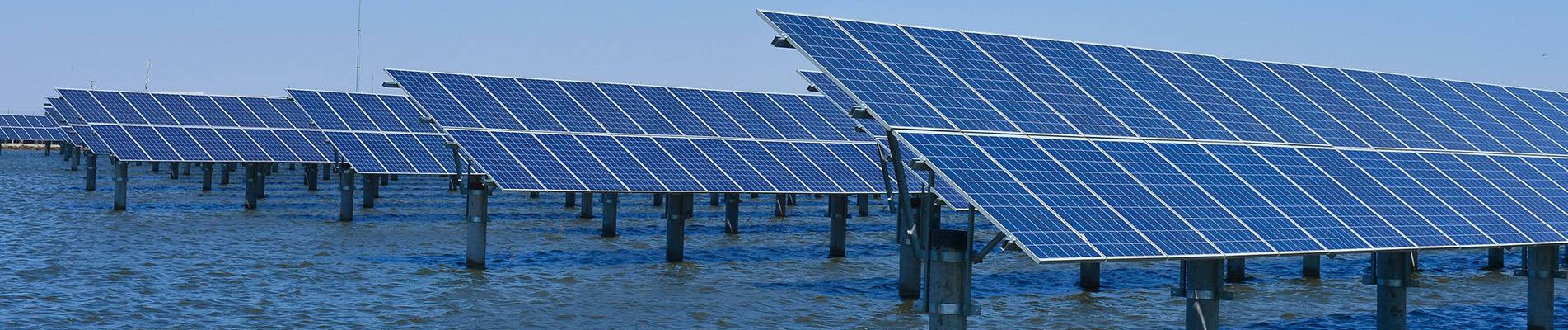

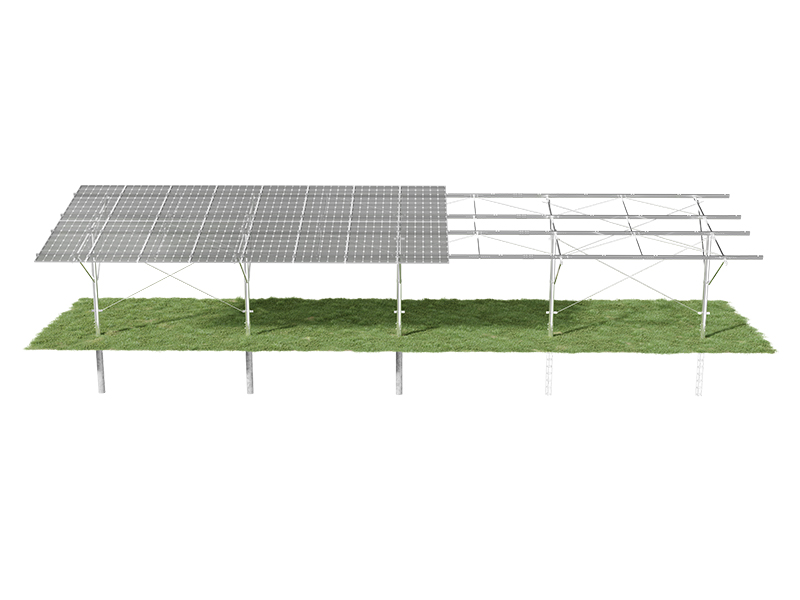
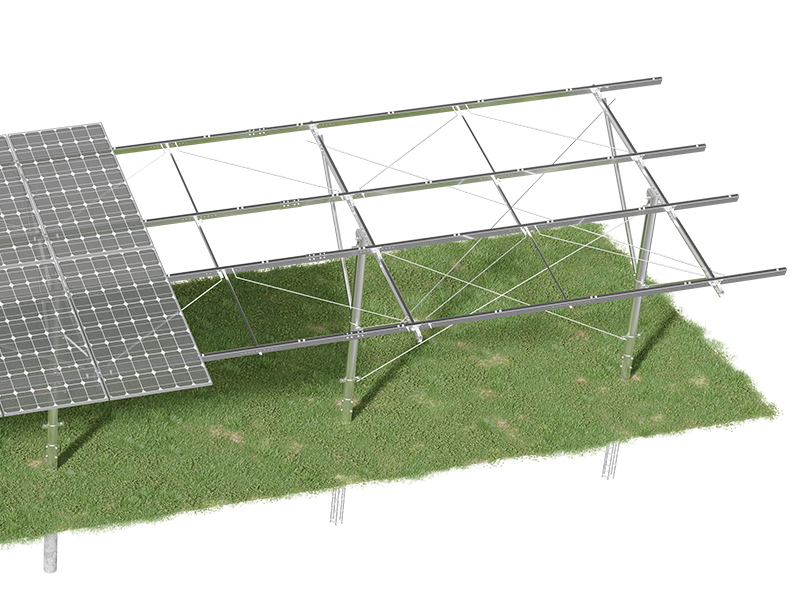
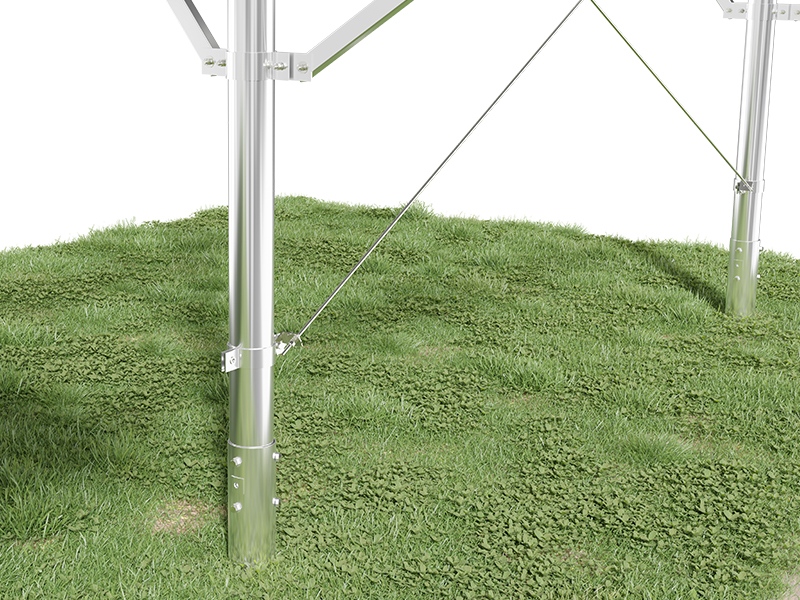
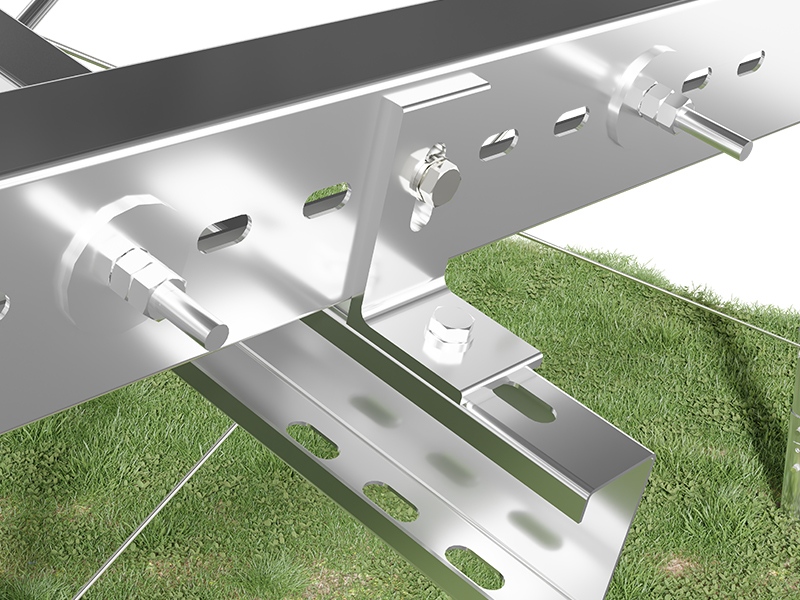
Cast-in-place piles are a type of concrete pile foundation used to provide stable load-bearing capacity and anchoring for the ground mounting system of photovoltaic power plants.
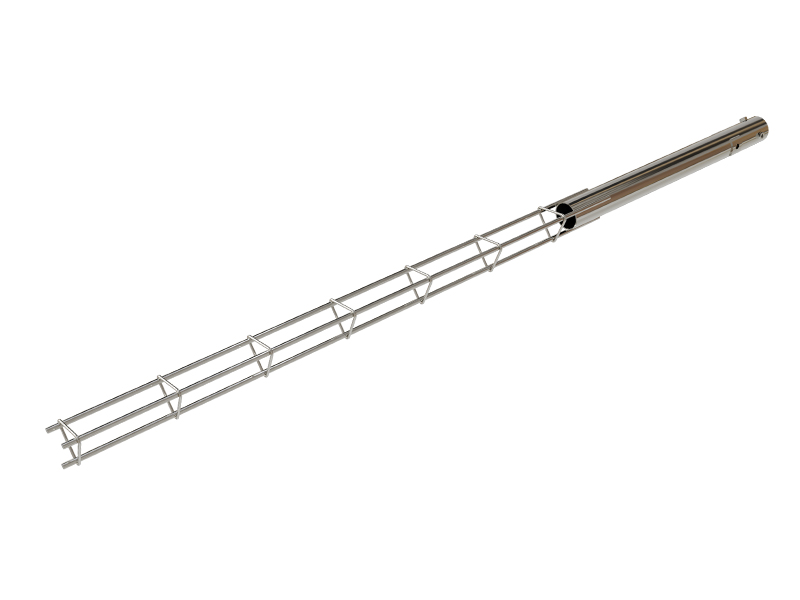
The principle is to mechanically drill holes at predetermined pile locations, insert a reinforcing cage, and then pour concrete on-site to form a pile column deeply embedded in the stable soil layer. This product is suitable for photovoltaic projects with complex geological conditions, high bearing capacity requirements, or highly corrosive environments, and is one of the most widely used foundation types in large-scale ground power plants.
Color :
Natural silver(Colored according to customer requirements)Certification :
CE, TÜV, ISO9001, SGSMaterial :
Hot Dip Galvanized Steel, Stainless Steel SUS304Product Origin :
Tianjin, FujianShipping Port :
Shanghai, Ningbo, Tianjin, Xiamen, Shenzhen ports
Product Description
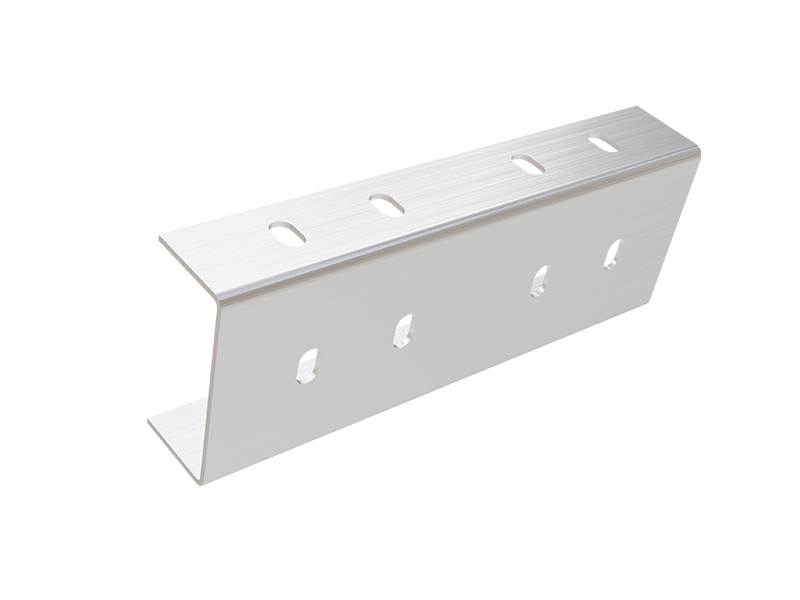
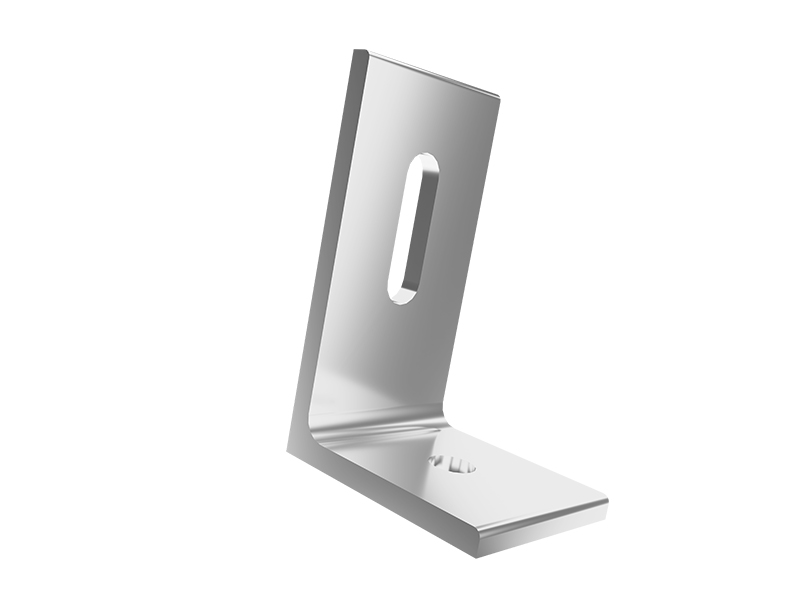
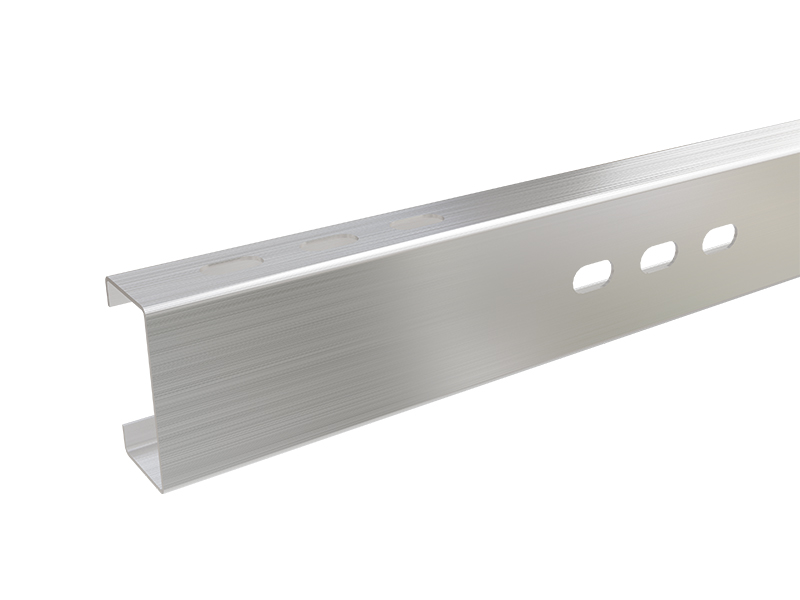
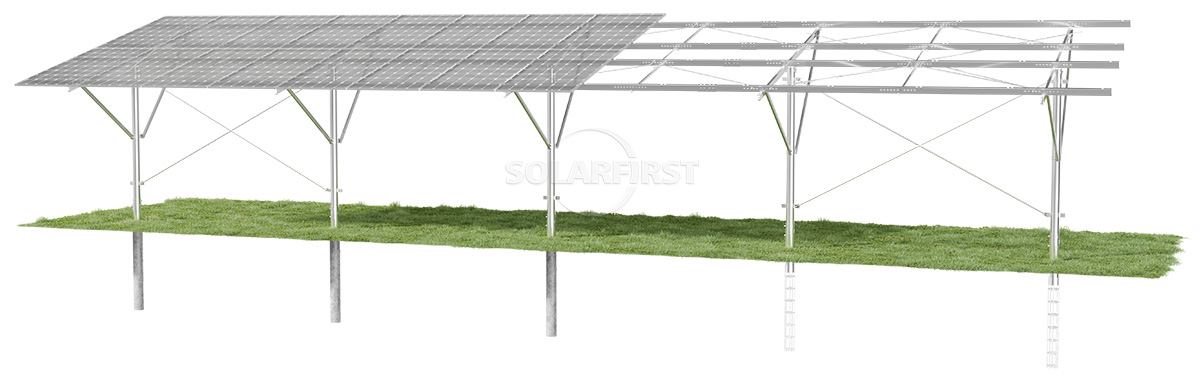
The cast-in-place pile foundation consists of three parts: the pile body, the reinforcing cage, and the top connectors. The pile body is a cylindrical concrete structure with an internal reinforcing cage to improve bending and tensile strength. A steel plate or anchor bolts are pre-embedded at the top of the pile for connection to the mounting structure's column.
The entire pile is tightly integrated with the surrounding soil, relying on the pile side friction and end bearing capacity to jointly bear the weight of the photovoltaic panels, wind loads, snow loads, etc.
Due to the use of on-site drilling and casting technology, its dimensions (pile diameter, pile length) can be flexibly adjusted according to the design load and geological survey report, exhibiting a high degree of customization.
Product Components

Advantage
▶ High and stable bearing capacity:
The integral cast-in-place structure fully utilizes pile side friction and end resistance, resulting in superior compressive, tensile, and horizontal force resistance compared to precast piles of the same size.
▶ Strong terrain adaptability:
The pile top elevation can be flexibly adjusted according to undulating terrain such as slopes and depressions, eliminating the need for extensive site leveling.
▶ Excellent durability:
The concrete encapsulates the reinforcing steel, exhibiting outstanding performance in highly corrosive soils such as saline-alkali land and chemical plant areas, with a service life matching that of photovoltaic power stations (over 25 years).
▶ Good economic efficiency:
In medium to large-scale projects, the unit cost (price per watt) is typically lower than that of PHC pipe piles, especially competitive when local materials (sand, gravel, cement) are inexpensive.
▶ Good seismic performance:
The pile-soil synergy provides strong energy dissipation capacity.
Parameters
| Installation | Ground |
| Wind Load | up to 60m/s |
| Snow Load | 1.4kn/m² |
| Standards | GB50009-2012, EN1990:2002, ASCE7-05, AS/NZS1170, JIS C8955:2017,GB50017-2017 |
| Material | Anodized Aluminum AL6005-T5, Hot Dip Galvanized Steel, Galvanized magnesium aluminum steel, Stainless Steel SUS304 |
| Pile Diameter | 200mm ~ 300mm |
| Pile Length | 1.5m ~ 2.5m |
| Concrete strength Grade | C30 (not lower than C25) |
| Warranty | 10 Years Warranty |
Applicable Scenarios
▪ The land consists of general cohesive soil, silt, dense sand, and weathered rock, with self-stabilizing borehole walls.
▪ The site contains a soft soil layer (silt, fill), which must be penetrate to reach the underlying bearing layer.
▪ The project is located in an area with corrosive soils (such as coastal or saline-alkali land), where the corrosion resistance of concrete foundations is a significant advantage.
Cautionary scenario
Important Notes:
▶ Geological Investigation is Mandatory:
The design and drilling process of cast-in-place piles are entirely dependent on geological conditions; they must not be adopted blindly without prior geological investigation.
▶ Drilling Quality Control:
The thickness of loose soil at the bottom of the hole must not exceed 20mm; the verticality deviation of the borehole must be ≤1%; after cleaning the hole, the reinforcement cage should be lowered and poured promptly to avoid prolonged placement.
▶ Reinforcement Cage Protective Layer:
Spacers must be used to ensure the reinforcement cage is centered and to prevent exposed reinforcement and corrosion.
▶ Concrete Pouring:
Concrete should be poured continuously in one go; interruptions are prohibited. Vibration must ensure compaction but avoid over-vibration that could lead to segregation.
▶ Curing Period:
At normal temperature, the piles must be covered and kept moist for at least 7 days. The upper structure of the support frame can only be installed after the piles have reached the design strength (usually 28 days).
▶ Winter Construction Measures:
If winter construction is necessary, antifreeze should be added, hot water should be used for mixing, and insulation covering measures should be implemented.
▶ Pile Position Layout Accuracy:
A total station or GPS should be used for positioning; the deviation of each pile position should not exceed the design requirements (generally ≤10mm).
▶ Underground pipeline inspection:
Existing underground pipelines should be identified and avoided before construction to prevent damage.
Summary
Ground solar module mounting structure, with cast-in-place piles, are a mature, reliable, and cost-effectiv, particularly suitable for large-scale ground-mounted power stations with moderate geological conditions and long-term requirements for bearing capacity and durability.
They offer strong terrain adaptability and good environmental performance, but are highly dependent on geological conditions and cannot be used immediately after installation (maintenance is required).
For projects with stable, non-corrosive soil and ample construction time, cast-in-place piles are the preferred option; however, for projects with soft soil, sandy soil, or tight deadlines, alternative options such as ground screw piles should be considered.
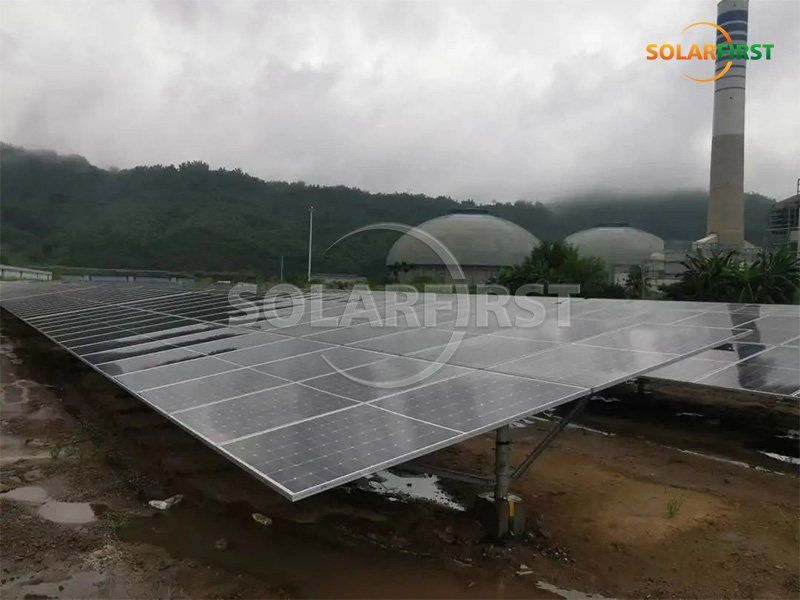
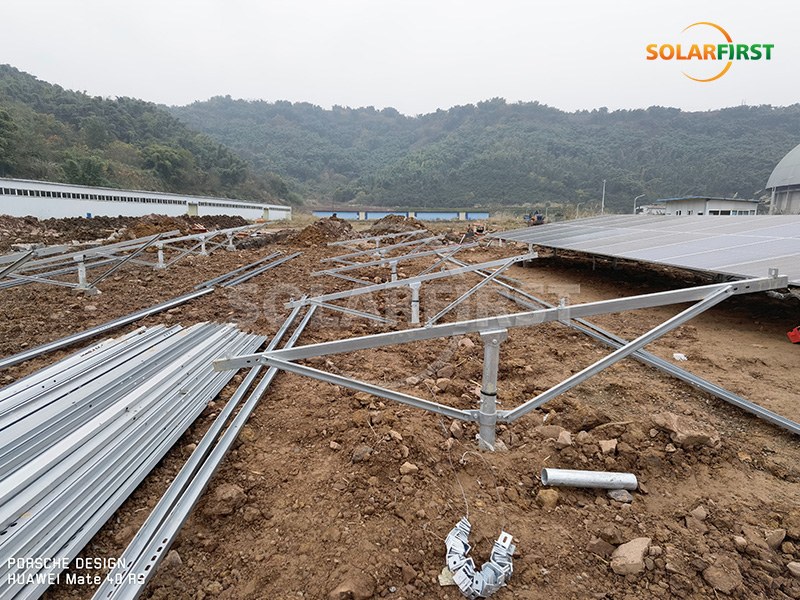
Solar First Project Reference
Related Knowledge Points
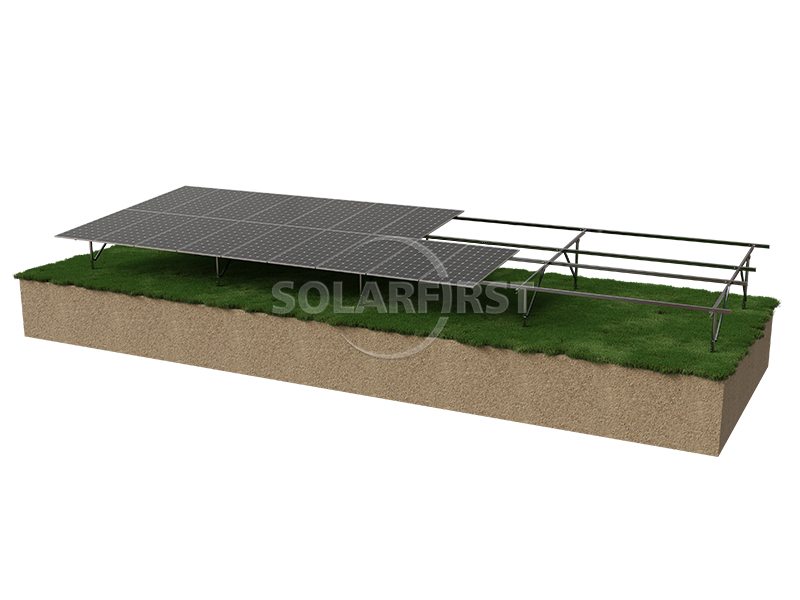
Carbon steel ground solar module mounting strucutre - ground screw pile foundation: The core material is galvanized or Zn-Al-Mg coated steel. It consists of screw piles buried underground, and the mounting structure above ground. The ground screw pile is installed by piling machine by screwing into the soil to serve as the load-bearing foundation for the photovoltaic array. All components are treated with hot-dip galvanizing or ZAM coating, achieving full metal connection.
Read More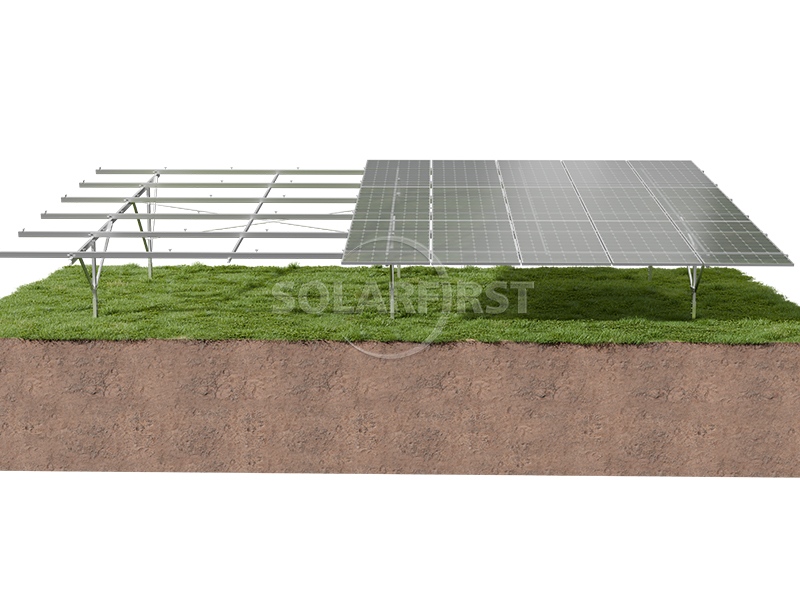
The ramming pile ground solar module mounting systems are PV mounting structure where foundation piles are driven directly into the soil using piling machine.
Read More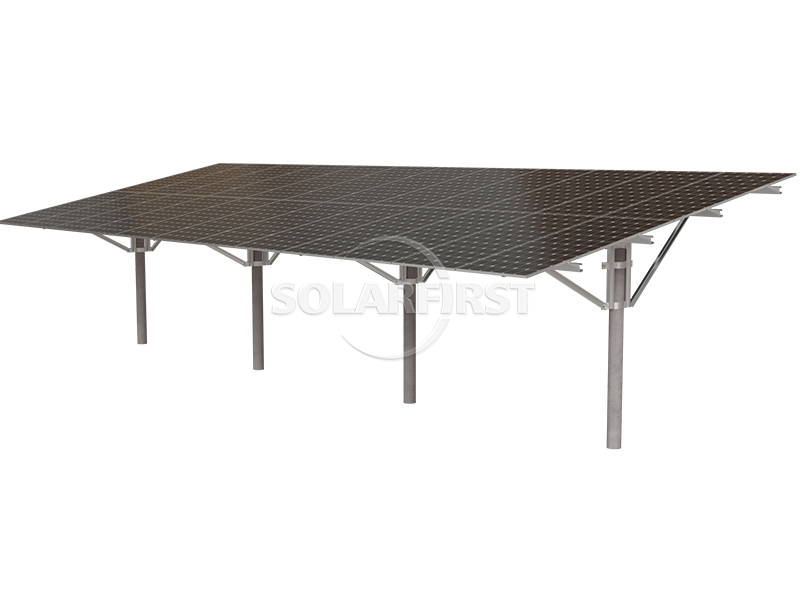
Carbon steel solar module ground mounting system integrated prestressed high-strength concrete piles (PHC piles) as the foundation.
Read More
Cast-in-place piles are a type of concrete pile foundation used to provide stable load-bearing capacity and anchoring for the ground mounting system of photovoltaic power plants. The principle is to mechanically drill holes at predetermined pile locations, insert a reinforcing cage, and then pour concrete on-site to form a pile column deeply embedded in the stable soil layer. This product is suitable for photovoltaic projects with complex geological conditions, high bearing capacity requirements, or highly corrosive environments, and is one of the most widely used foundation types in large-scale ground power plants.
Read More
The aluminum alloy spiral ground anchor-based photovoltaic support system adopts the "rotational insertion installation" and "fully aluminum anti-corrosion" design, providing a ground installation solution with lower environmental impact and higher construction efficiency for small and medium-sized photovoltaic projects.
Read More
Aluminum alloy ground photovoltaic mounting system - concrete foundation solution refers to a mounting structure that uses high-strength aluminum alloy as the main structural material and concrete blocks cast on-site or prefabricated as the load-bearing foundation, and is used to fix solar photovoltaic modules in open areas on the ground.
Read More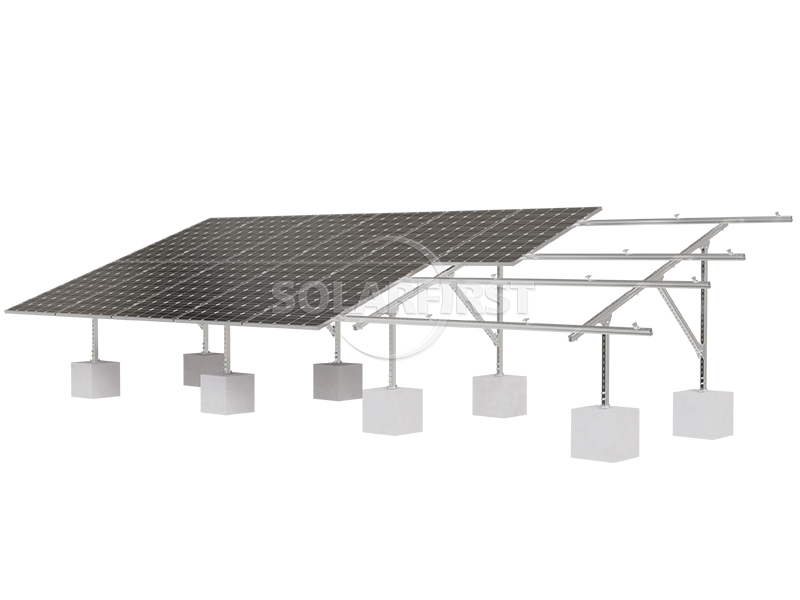
U steel is a core load-bearing component of ground-mounted photovoltaic mounting systems and belongs to a type of cold-formed thin-walled steel. Its cross-section is U shaped, with inward lips on both sides.
Read More
 en
en fr
fr de
de zh-CN
zh-CN ru
ru es
es pt
pt ja
ja ko
ko ar
ar