Leave A Message
If you are interested in our products and want to know more details,please leave a message here,we will reply you as soon as we can.


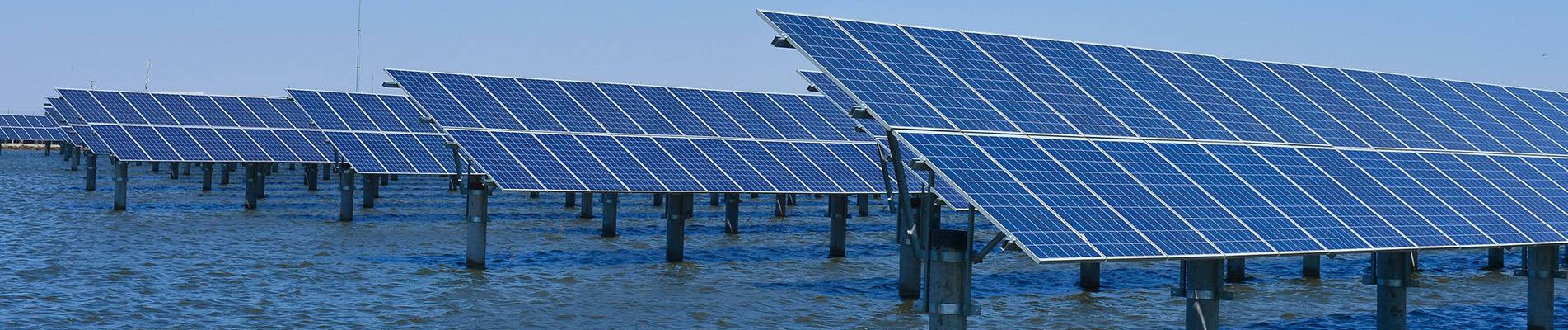
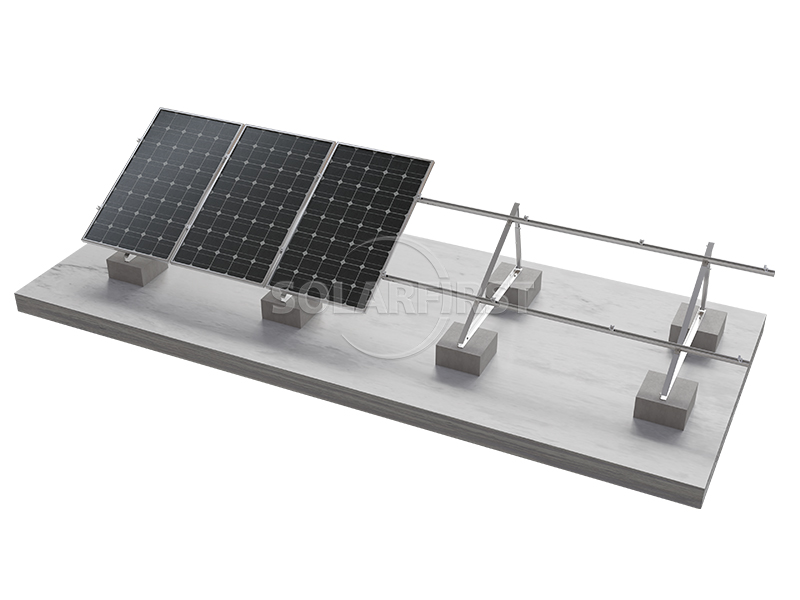
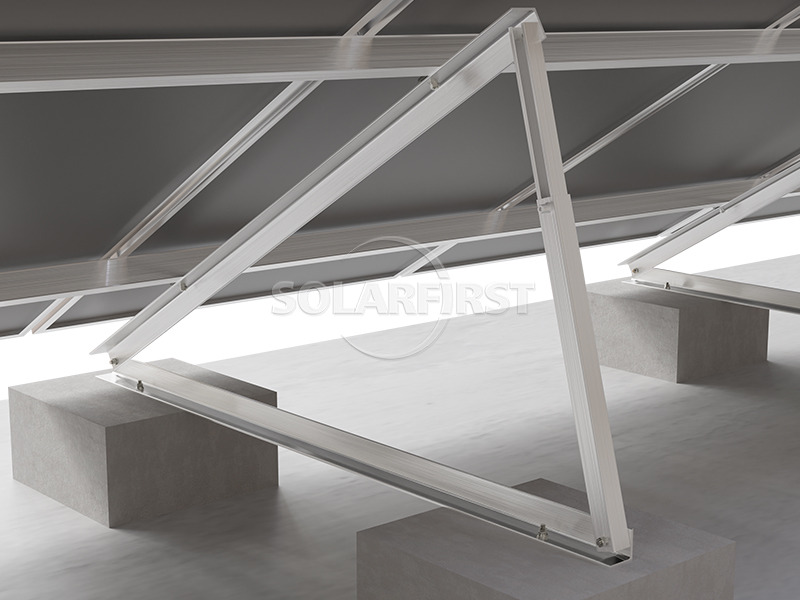
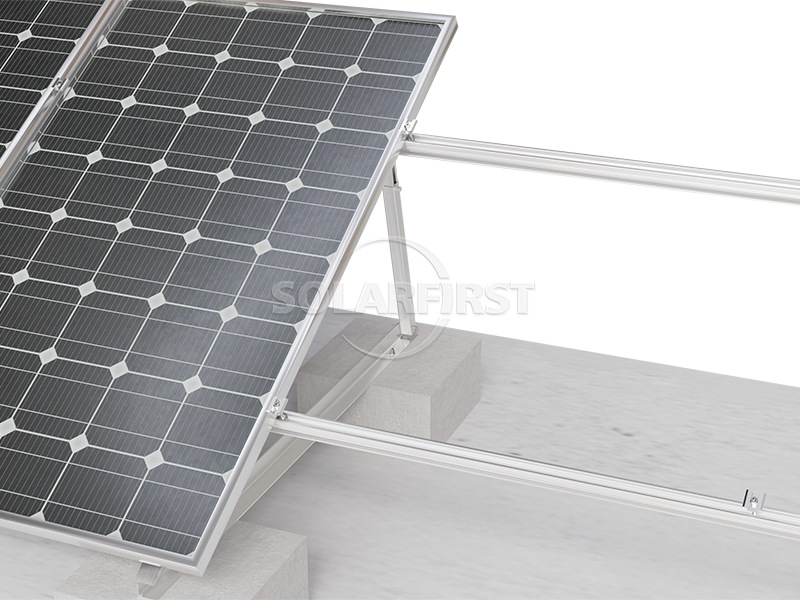
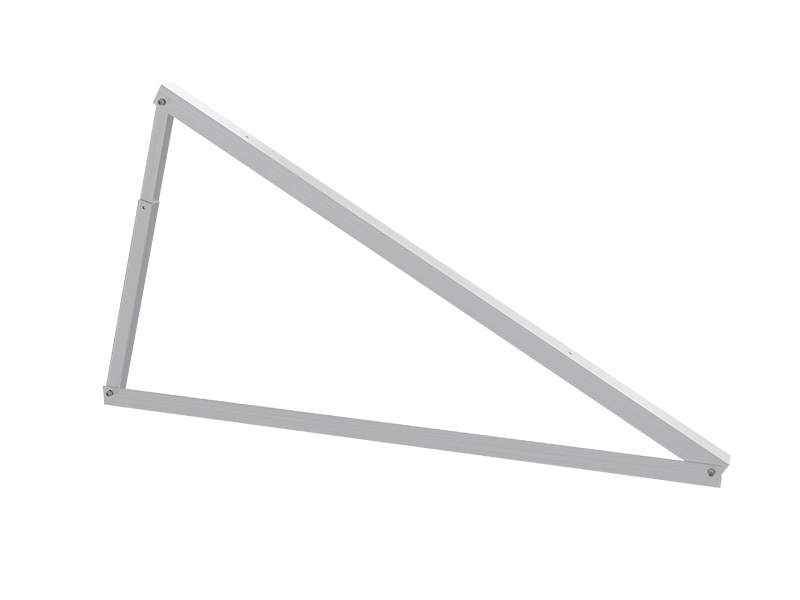
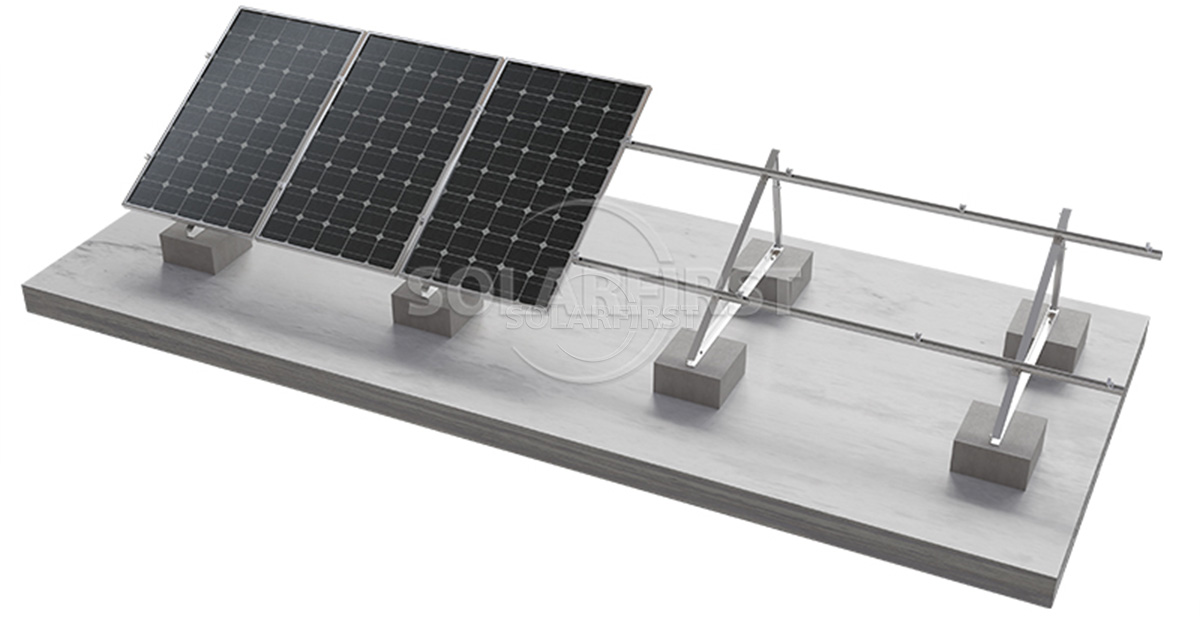
Adjustable tripods are support structures specifically designed for flat-roof photovoltaic (PV) systems. They utilize the stabilizing principle of triangles to provide a tilt angle for the PV modules. This bracket can adjust the tilt angle according to different lighting conditions and roof layouts, helping to improve the power generation efficiency of the PV system. It is suitable for various types of concrete flat roofs, commercial building roofs, and industrial plant flat roofs.
Color :
Natural silver/ black(Colored according to customer requirements)Certification :
ISO,SGS,CEMaterial :
Anodized Aluminum 6005 T5, Stainless Steel 304Product Origin :
Tianjin, FujianShipping Port :
Shanghai, Ningbo, Tianjin, Xiamen, Shenzhen ports
Product Description
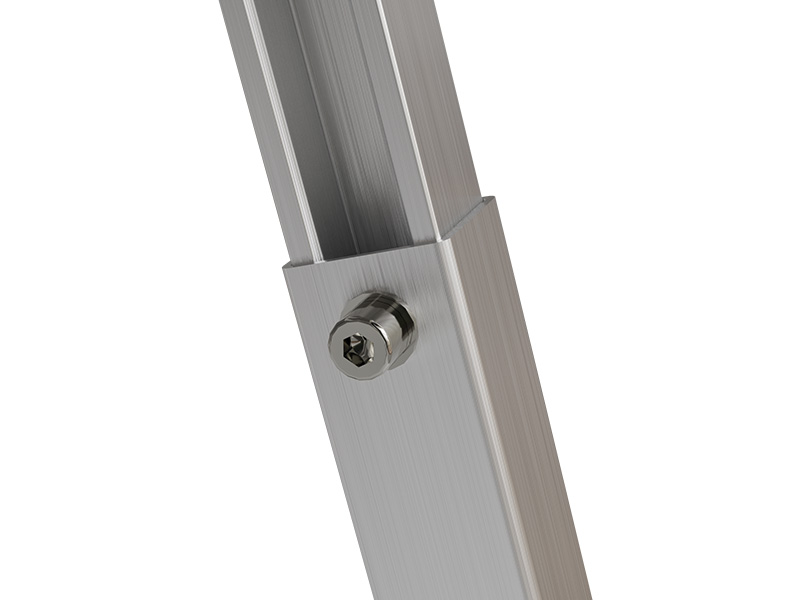
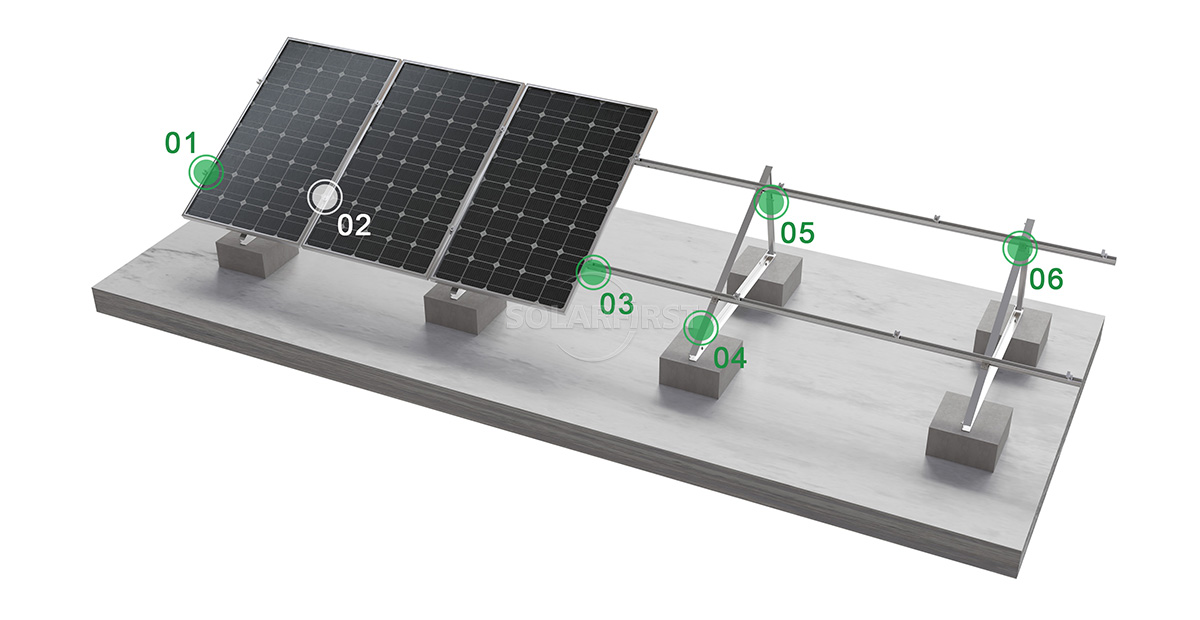
The adjustable tripod features a modular design, with the main structure made of aluminum alloy or hot-dip galvanized steel, and offers multiple angle adjustment positions. The base of the tripod is connected to the roof via counterweights or chemical anchors, without penetrating the existing waterproofing layer. The tilted surface of the tripod is used to secure the photovoltaic modules, with an adjustable angle typically between 10° and 35° to accommodate different solar altitude angles at varying latitudes. The overall structure is lightweight, and assembly is relatively simple.
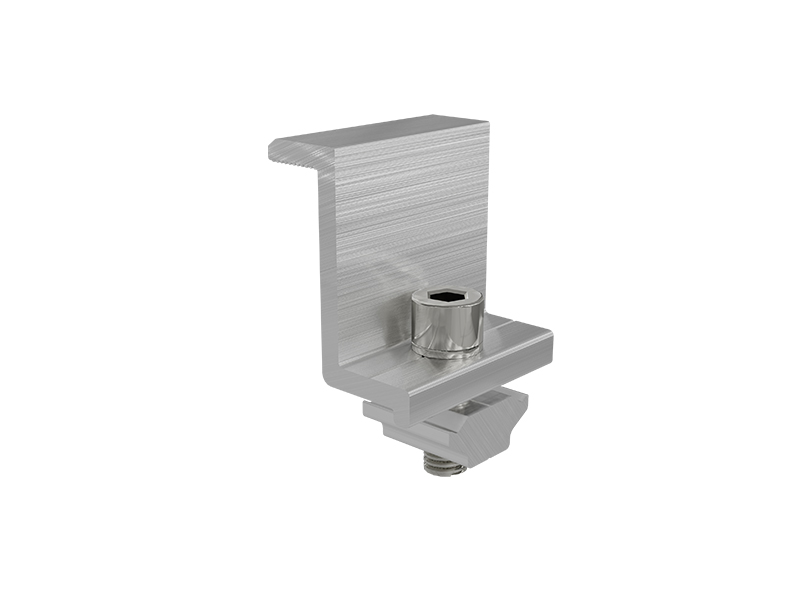
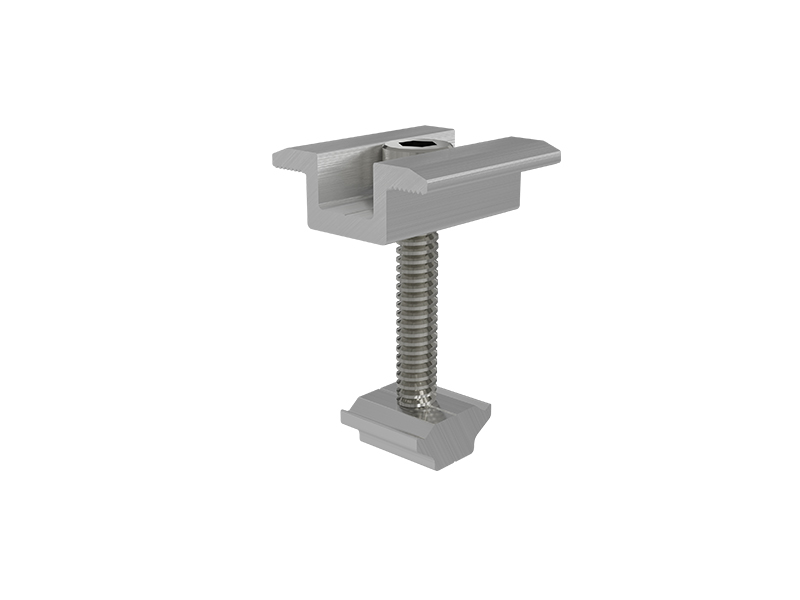
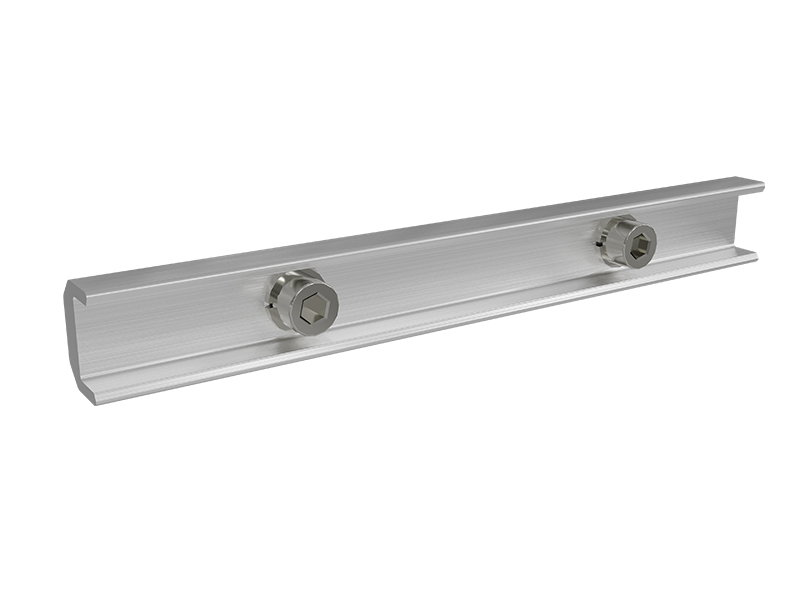
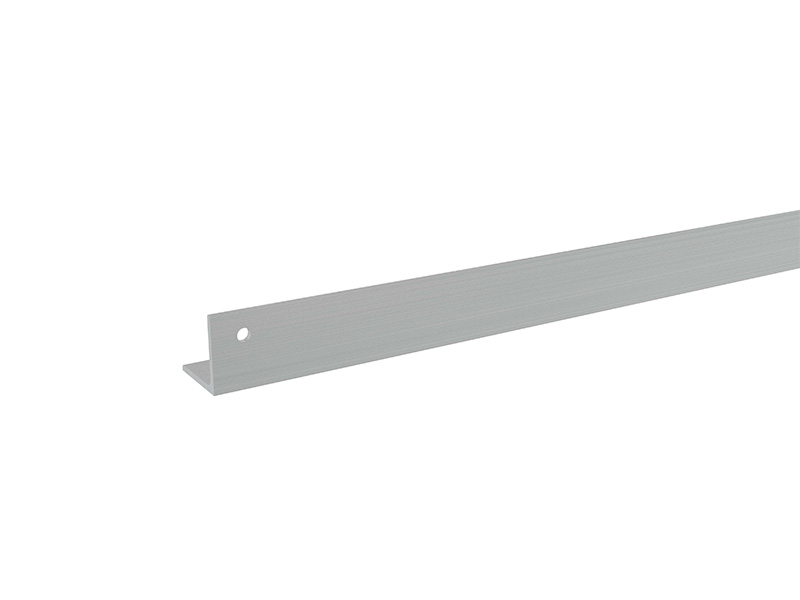
Product Components
Advantage
▪ Flexible and adjustable angle:
The tilt angle of the modules can be adjusted according to the season or the latitude of the installation point, helping to optimize annual power generation.
▪ Reduced roof load:
The optimized structural design reduces overall weight while maintaining strength.
▪ Protective waterproofing layer:
The use of counterweights or non-penetrating fixing methods helps reduce the risk of damage to the original waterproofing layer.
▪ Good weather resistance:
The materials are anodized or hot-dip galvanized, enabling them to withstand long-term outdoor use.
▪ High installation efficiency:
Pre-assembled modules and standardized accessories shorten on-site installation time.
▪ Strong compatibility:
Compatible with most common-sized photovoltaic modules (such as 60-cell and 72-cell monocrystalline/polycrystalline modules).
Parameters
| Installation | Ground/Concrete Roof |
| Wind Load | up to 60m/s |
| Snow Load | 1.4kn/m² |
| Tilt Angle | 5-60° |
| Standards | GB50009-2012, EN1990:2002, ASCE7-05, AS/NZS1170, JIS C8955:2017, GB50429-2007 |
| Material | Anodized Aluminum AL6005-T5, Stainless Steel SUS304 |
| Warranty | 10 Years Warranty |
Applicable Scenarios
▪ Flat rooftop photovoltaic projects in mid-to-high latitude regions (requiring a larger tilt angle to increase winter power generation)
▪ Concrete flat roofs of residential or commercial buildings
▪ Roofs of industrial park buildings (load-bearing capacity needs to be confirmed)
▪ Near-vertical installed photovoltaic shading panels or decorative facade photovoltaics
▪ Retrofitting photovoltaic systems on existing building roofs
▪ Projects requiring seasonal tilt angle adjustments to increase annual power generation
Important Notes:
▪ Before installation, it is recommended to assess the actual load-bearing capacity of the roof, especially when setting a large tilt angle (≥40°), as the uplift force caused by wind load will increase significantly. The counterweight scheme needs to be recalculated based on local wind pressure.
▪ When adjusting the angle to 50°–60°, the height of the rear support of the bracket is relatively large. It is necessary to ensure that the bottom of the tripod has sufficient contact area with the roof or additional diagonal bracing to prevent lateral instability.
▪ Regularly check for loose fasteners, especially after strong winds or heavy rain. For large tilt angles, it is recommended to increase the number of anti-loosening marks and the frequency of regular inspections.
▪ Angle adjustment should be performed simultaneously on both sides to avoid twisting and deformation of the bracket. For continuous adjustment grooves, ensure all bolts are tightened evenly.
▪ Pay attention to safety precautions during roof construction to prevent falls from height. The center of gravity of the large tilt angle bracket is high before the components are installed, requiring temporary fixation.
▪ Tripod connectors from different manufacturers may have dimensional differences. When replacing parts, it is recommended to use products of the same brand or those that have been verified for compatibility.
▪ If the original waterproofing layer on the roof has aged, it is recommended to repair the waterproofing before installing the support frame. It is also recommended to add flexible pads to the bottom of the counterweight to reduce localized pressure.
Summary
The adjustable tripod for flat roof photovoltaic systems supports a wide angle adjustment range of 5° to 60°, adapting to different photovoltaic tilt angle requirements from low latitudes in the south to high latitudes in the north. Its non-penetrating installation method reduces the impact on the roof waterproofing layer to some extent, while the reinforced structural design helps to cope with the additional wind loads brought about by large tilt angles. By selecting weather-resistant materials and standardized components, the bracket maintains relatively reliable performance over its 25-year design life. For flat roof photovoltaic projects requiring seasonal tilt adjustment or application in different latitude regions, the 5°–60° adjustable tripod provides a flexible solution.
Solar First Project Reference
Related Knowledge Points

This product is a photovoltaic (PV) bracket accessory specifically designed for Klip-Lok metal corrugated roofs. It employs a non-penetrating clamping design, eliminating the need for drilling into the roof surface. The clamps secure themselves to the Klip-Lok rib of the roof ridge, providing a reliable connection point for rails and PV modules. This design avoids damage to the roof panels caused by drilling, effectively reducing the risk of roof leaks, and is particularly suitable for commercial and industrial roofs with high waterproofing requirements.
Read More
The "L" shaped roof clamp (often called L-foot, L leg, or L bracket) in a metal roof solar module mounting system is a simple but universal connector for reliably fixing the rails that supports solar modules to the trapezoid metal roof. It has a right angle (L-shape) shape, a lightweight structure, and mainly serves as an anchoring element connecting the upper and lower parts of the structure.
Read More
The standing seam roof clamp is specifically designed for standing seam (or seam lok) metal roofing sheet as a non-penetrating solution. It is fixed to the standing seam of the roof by clamping, allowing the photovoltaic modules to be installed securely without drilling a single hole in the roof.
Read More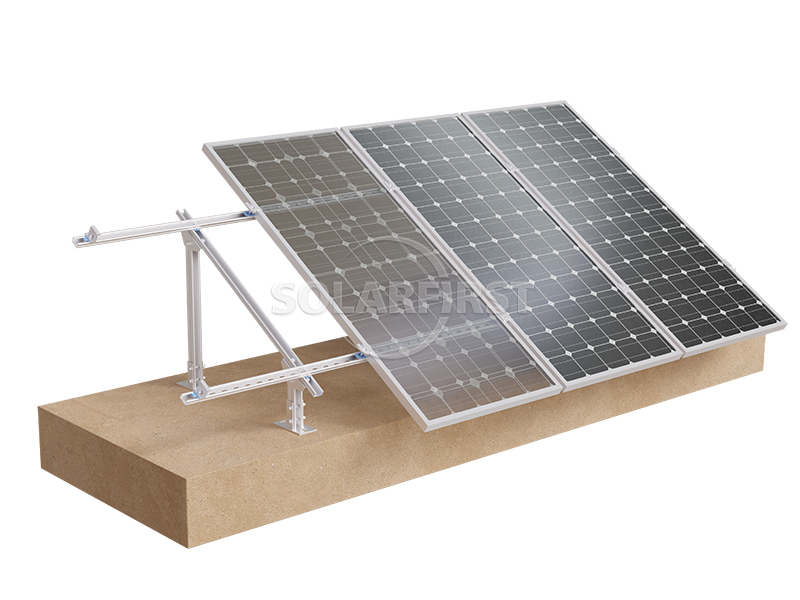
This solution adopt U steel with its typical cross-section in a groove-like shape, with the ends of the steel on both sides bending inward to U shape, for good strength and easy and modular installation, especially on concrete flat roof.
Read More
The U rail for photovoltaic (PV) mounting on corrugated steel roofs is a solar panel installation solution specifically designed for trapezoid corrugated metal roofs. It is widely used due to its high efficiency and reliability. It is a design that ensures a balance between structural strength and ease of installation.
Read More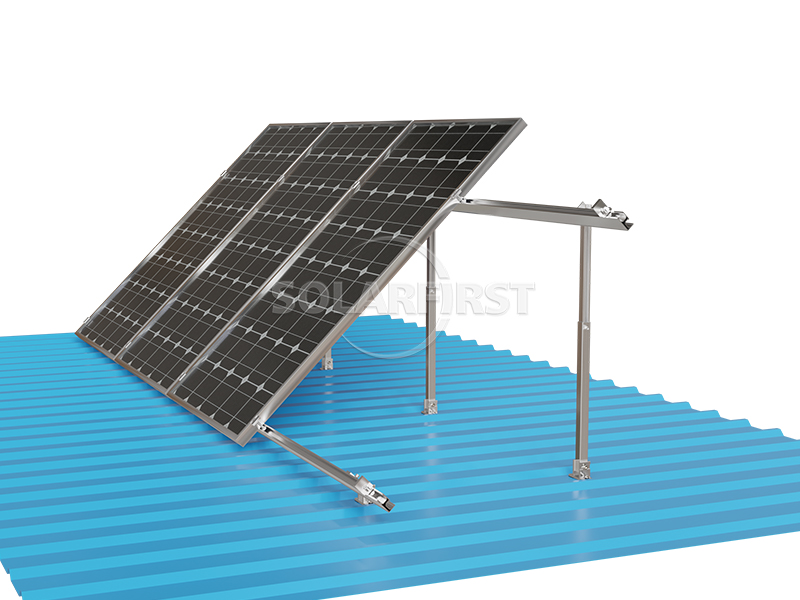
The adjustable front and rear leg solar mounting bracket is a solar panel mounting system specifically designed for installation on metal corrugated steel roofs. Its name comes from its unique front and rear support structure design, by adjusting the height difference between the front and rear legs, the tilt angle of the photovoltaic panels can be varied to adapt to different regional sunlight conditions, roof slopes, and load-bearing requirements.
Read More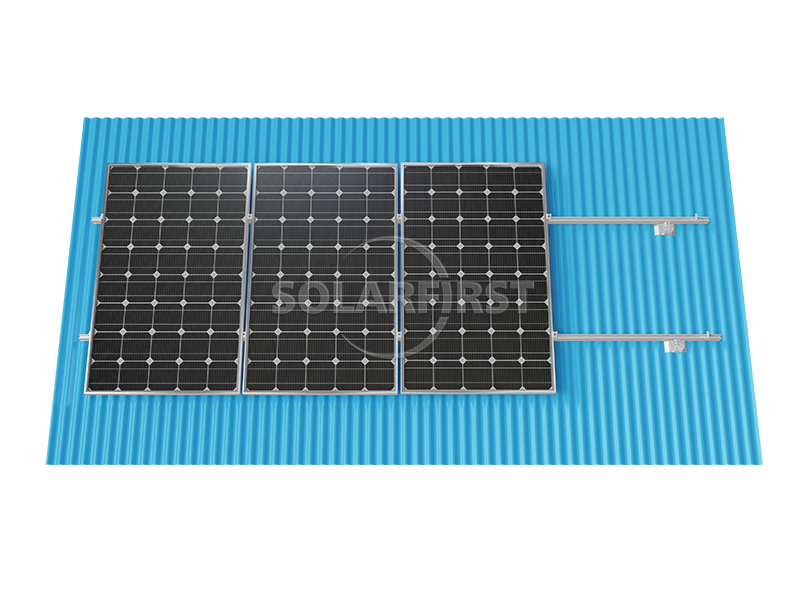
The wave-shaped roof clamp is specifically designed for wavy corrugated metal roofing sheet. Its curved bottom surface conforms to the roof profile, and it works with self-tapping screws to connect to the purlins, ensuring a stable installation for the solar module. Made of aluminum alloy, it is weather-resistant, durable, and easy to install.
Read More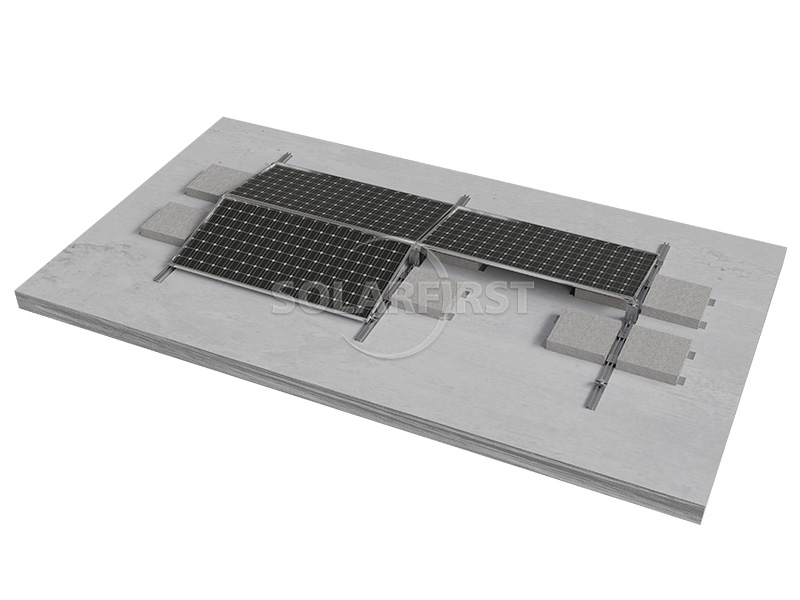
The aluminum alloy photovoltaic bracket - bidirectional ballast - is a non-penetrating fixed bracket system suitable for flat roof photovoltaic power stations. Utilizing a bidirectional ballast design, it stabilizes the photovoltaic array to the roof surface through counterweight modules (such as precast concrete blocks) placed on both the front and rear sides of the bracket. The entire system is constructed primarily of high-strength aluminum alloy, suitable for various flat roof structures such as concrete, asphalt, and roof rolls. No drilling or welding is required, allowing for photovoltaic system deployment without altering the original roof structure.
Read More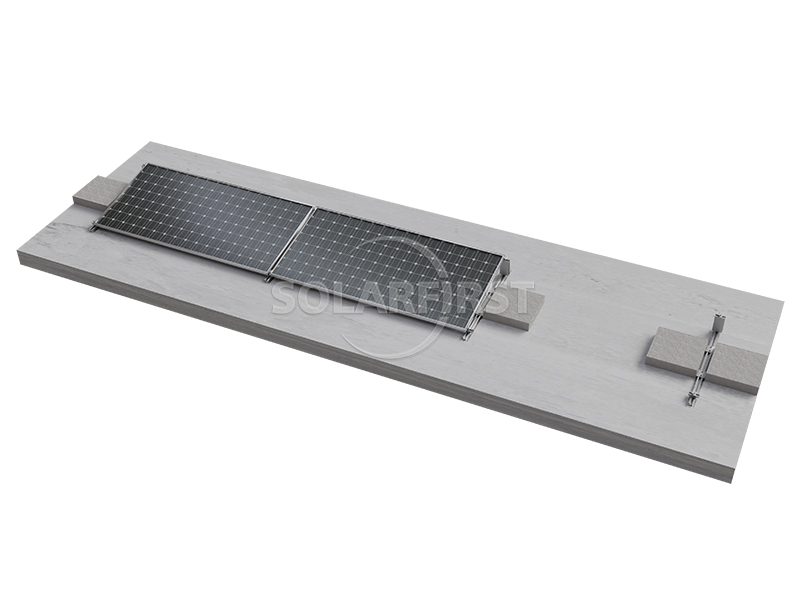
Designed specifically for flat roofs, this system utilizes high-strength aluminum alloy and a triangular stabilizing structure, and is pre-assembled at the factory. Secured by concrete ballast, it does not damage the roof and is compatible with various photovoltaic modules, making it a reliable base for flat roof power stations.
Read More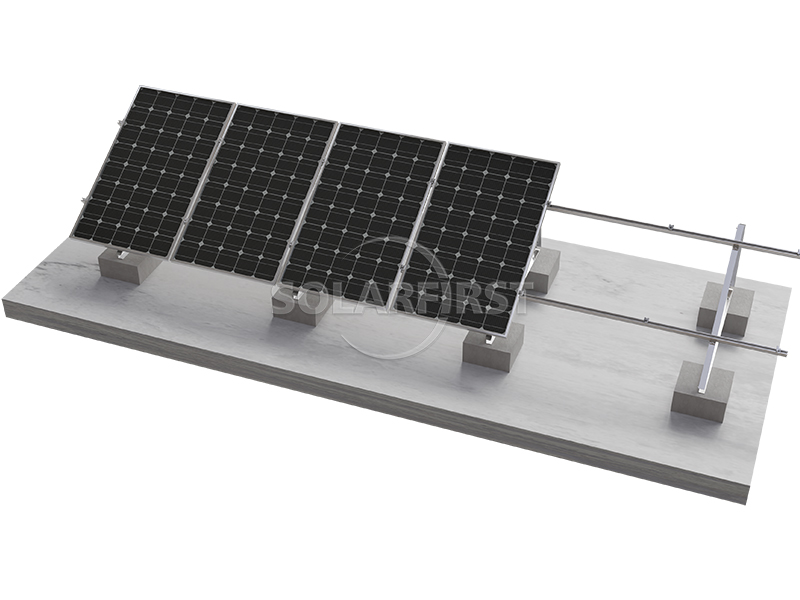
Flat roof photovoltaic bracket - unidirectional ballast (aluminum alloy) is a non-penetrating photovoltaic support system developed for flat roof scenarios. It uses aluminum alloy profiles as the main structure and fixes the bracket and photovoltaic modules to the roof through cement ballast blocks or concrete counterweights, without drilling holes in the roof or damaging the original structure.
Read More
Adjustable tripods are support structures specifically designed for flat-roof photovoltaic (PV) systems. They utilize the stabilizing principle of triangles to provide a tilt angle for the PV modules. This bracket can adjust the tilt angle according to different lighting conditions and roof layouts, helping to improve the power generation efficiency of the PV system. It is suitable for various types of concrete flat roofs, commercial building roofs, and industrial plant flat roofs.
Read More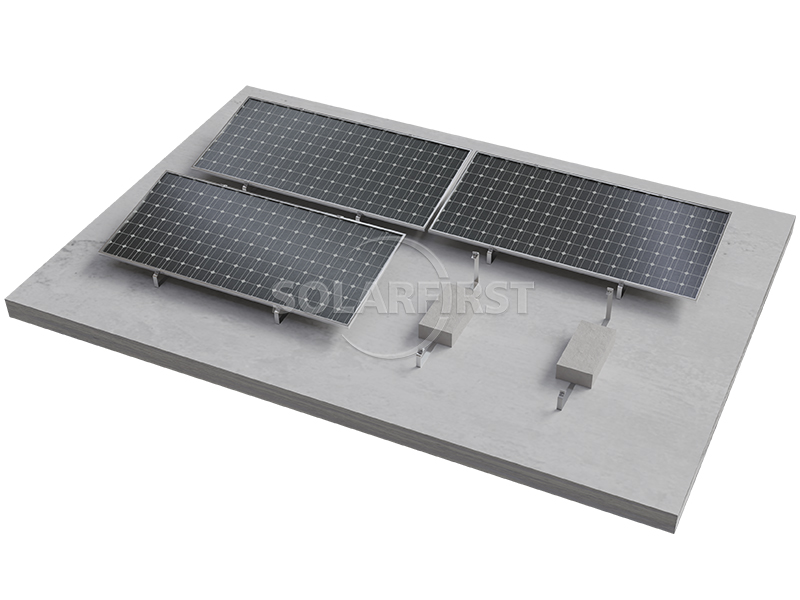
For photovoltaic projects on flat concrete roofs, this ballast-type bracket, employing key stainless steel components, offers a fixing solution that balances installation efficiency and long-term reliability. The main body of the system is pre-assembled in the factory; on-site installation simply requires placing concrete blocks for fixation, completely eliminating the need for drilling holes in the roof. The stainless steel bolts, connectors, and other core components provide excellent corrosion resistance in humid, rainy, or coastal environments. The overall structure supports custom tilt angles of 10°, 15°, and 20° to flexibly adapt to the varying sunlight requirements of different regions. Whether for large-scale power plants in industrial and commercial buildings or small systems for private villas, this bracket enables rapid deployment of photovoltaic panels without altering the original roof structure.
Read More
 en
en fr
fr de
de zh-CN
zh-CN ru
ru es
es pt
pt ja
ja ko
ko ar
ar